Career path less travelled: A food stylist, a pet-loss grief specialist and a taxidermist on their job
A career path isn't always clear cut
Career path less travelled: A food stylist, a pet-loss grief specialist and a taxidermist on their job

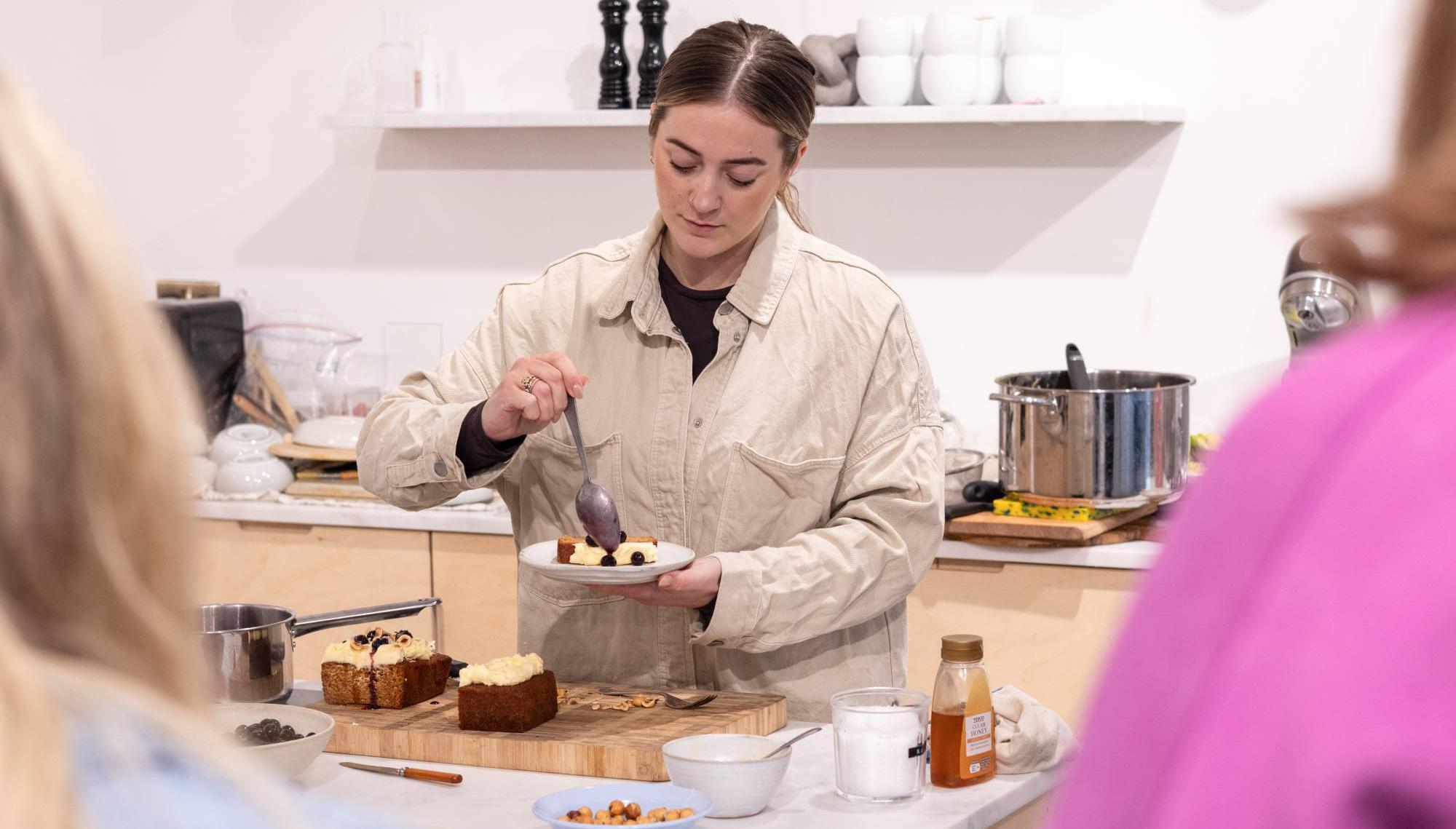
Sarah-Kim Watchorn, Food Stylist
How many of us had a vision of what we wanted to do when we left school? Maybe you grew up knowing there would be a place for you in the family business. Perhaps you skipped from job to job, before landing upon your vocation. Perhaps you made the tea for everyone, delivered the post, and worked your way up through the ranks, until you were the one broadcasting to the nation?

This June, more than 60,000 students sat the Leaving Certificate. Who among them knows what career path they want to follow and how many will go on to specialise in an occupation that has never appeared on any college application?

Chinese philosopher Confucius’s advice was to “Choose a job you love, and you will never have to work a day in your life.”

Wexford-based food stylist Sarah-Kim Watchorn has her own philosophy on opportunities for progress. “I think making a decision to choose one thing can open up so many opportunities, and often skills you’ve used will carry through to another area of work or life.”

This outlook has served her well. In college, she obtained a degree in culinary arts and today she is also a food writer and recipe developer. Describing her job as, “being like an artist for food, making food look good, whether it’s for TV, movies, billboards, social or cookbooks and everything in between”.

Watchorn says the role of a food stylist goes beyond the plate. “A lot is troubleshooting, organisation, shopping, and having an eye for detail. Making sure your knife is sharp to ensure a clean tomato slice or that herbs aren’t bruised.”

There is no typical day. “Every day and week are different, which sometimes can be a head melt, as you’re thinking about a lot of different jobs, clients, and moving parts at once.”

It’s not all work and no play, however. “I love that I get to work all the time, but also get pockets midweek where I can run to the gym or spend time with my sister, which, I guess, are the perks of being freelance.” And then there is the instability of working for yourself. “It doesn’t suit everyone and one thing I’ve learnt, like any unusual career, most people don’t believe or trust you’ll succeed until you get there.” For Watchorn, that was the hardest part. “But I knew what I wanted and was prepared to work hard to be the best I could.”

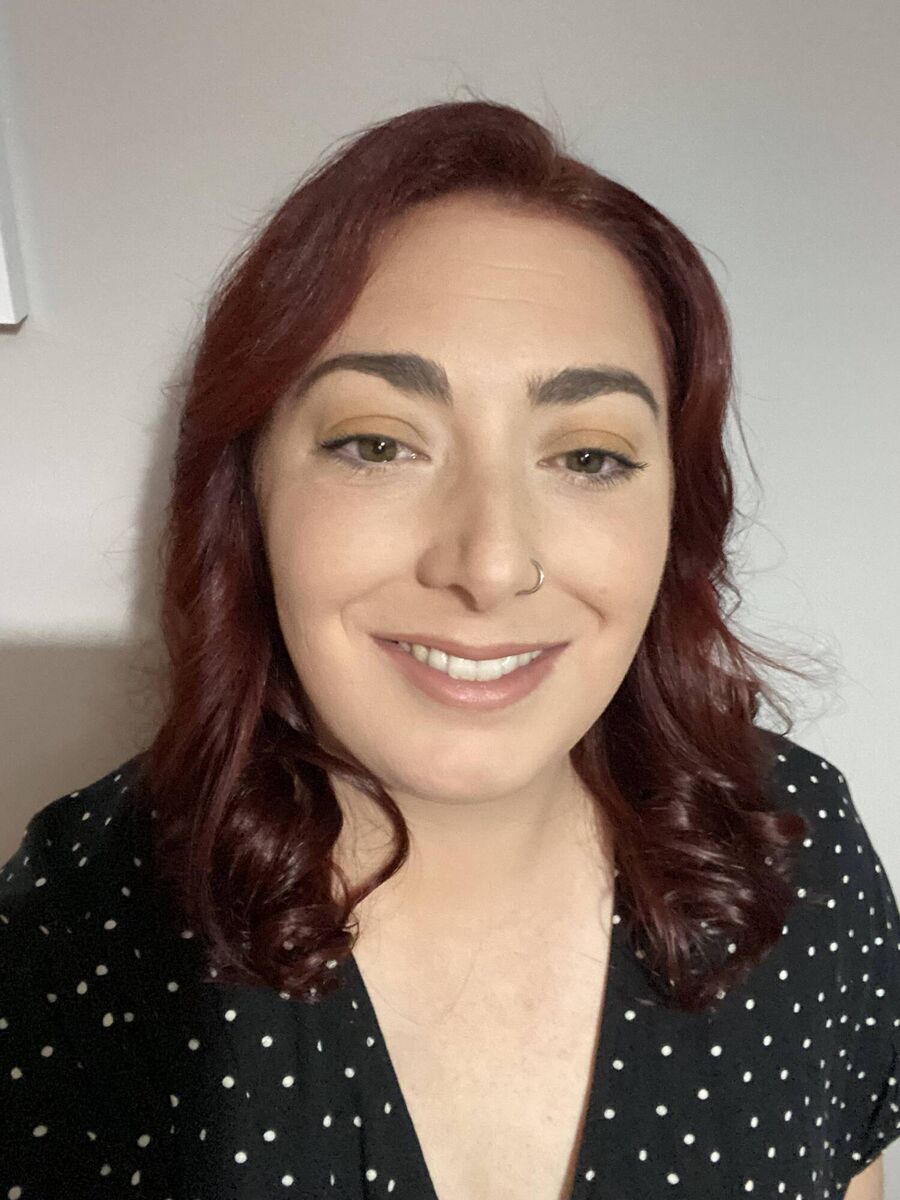
Louise Griffey, Pet Loss Grief Specialist

Founder of Light after Loss, Louise Griffey is a certified pet-loss grief specialist. Growing up on a farm in Co Clare, Griffey “was always outdoors and loved it. I was obsessed with horses from a very young age and when my gorgeous Connemara pony entered my life, I knew I wanted to work with horses.” She followed her dream and worked in the equine industry for several years.

However, “a cascade of losses” led her down a very different path. “I felt lost in the world and, along with the roller-caster of emotions, I suffered from crippling anxiety following the trauma of the death of my dogs. I thought to myself, ‘no-one prepared me for grief’. The physical and emotional effects it had on me were profound. I often asked myself, ‘how long is this pain going to last?’ ”

A search for specialised pet-loss support in Ireland proved futile. Taking matters in to her own hands, Griffey stumbled across The Grief Recovery Method website and signed up.

“During my training, I had the ability to heal so much of my unresolved grief. I then created my business, Light After Loss, and now guide people from all over the world through the pet-loss support programme. I work with clients online via video calls, where they are in the comfort of their own homes.”

For Griffey, explaining what she does for a living can be awkward. “I generally just say it as it is: I offer support for people going through pet loss. Some [people] have laughed and some have said, ‘wow, amazing’. But whatever the answer is, it never stops me from continuing to work hard to reach those that need this vital form of specialised support.

“Having someone to speak to that just ‘gets it’ can have such a huge impact on a person experiencing devastating pet loss. Feeling seen and heard in a world that does not recognise pet loss as real or important can be hugely helpful and validating for those grieving the loss of a

Donal Mulcahy, taxidermist

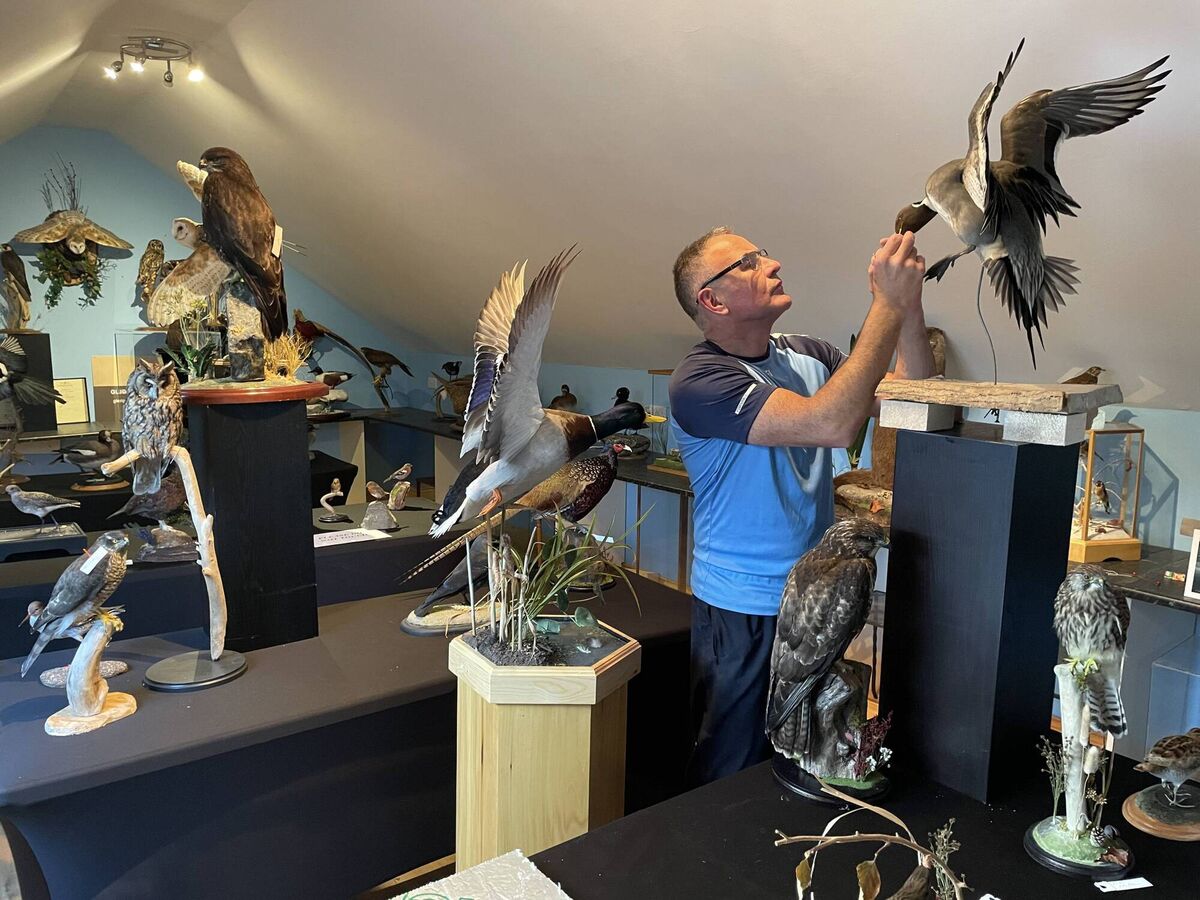
In a previous life, Donal Mulcahy worked in the prison service. From a family of nine, growing up in Limerick, he lived almost entirely off the land. Information and knowledge gleaned from his father steered him towards what would become his fulltime career: Taxidermy.

“My father taught me everything about birds, mammals, and everything in nature. He had a huge passion and respect for everything in the outdoors.”

It all began for him as a pre-teen, when his father got a pheasant stuffed. “This was fascinating for me, as I could now preserve the beauty of the birds and animals. It ignited a passion within me that could not be stopped.”

Mulcahy says taxidermy is a growing art in Ireland and people are requesting classes. “I do taxidermy courses for beginner taxidermists and also for those with some experience. More than half of the calls I get are from women.”

Because it is such a specific art, it takes many years of learning to produce good taxidermy. It isn’t something that is passed down through families. Mulcahy explains further: “To become a good taxidermist, you must first have a passion for and love of nature, studying birds and wild animals, their poses, the way they fly and interact with each other. I am an avid birdwatcher and every day there is something to learn about each species.”

Animals that have met their end on the road or birds who died from flying into windows provide most of the taxidermy material.

A qualified bird specialist with the UK guild of taxidermists, Mulcahy won best professional bird in 2023. “It was a huge achievement for me and a huge achievement for taxidermy in Ireland,” he says. These days, he specialises in birds and small mammals, but he has done pet taxidermy on cats and dogs.

“To lose a pet, for many people this is a huge loss for them. People can be very upset. Mostly people are looking to have their pet taxidermied, because they can’t bear to see their pet go.”

Always busy, he recently taxidermied birds for The National History Museum of Ireland and is also involved in project work for the Atlantic Technological University Galway, showing the effects of marine pollution on sea birds.

The list includes birds starving to death as a direct result of consuming small plastic particles. Gannets and their young perish when they get tangled in the netting used to build their nests. Gulls found with helium balloons wrapped around their legs and wings.

“The birds die a slow death from something we as humans are causing. We are part of nature and we need to change the way we do things before it’s too late.”

More in this section

Lifestyle

Newsletter

The best food, health, entertainment and lifestyle content from the Irish Examiner, direct to your inbox.

Cookie Policy Privacy Policy Brand Safety FAQ Help Contact Us Terms and Conditions

© Examiner Echo Group Limited