Would you like to plan your own funeral? These Cork ladies can help
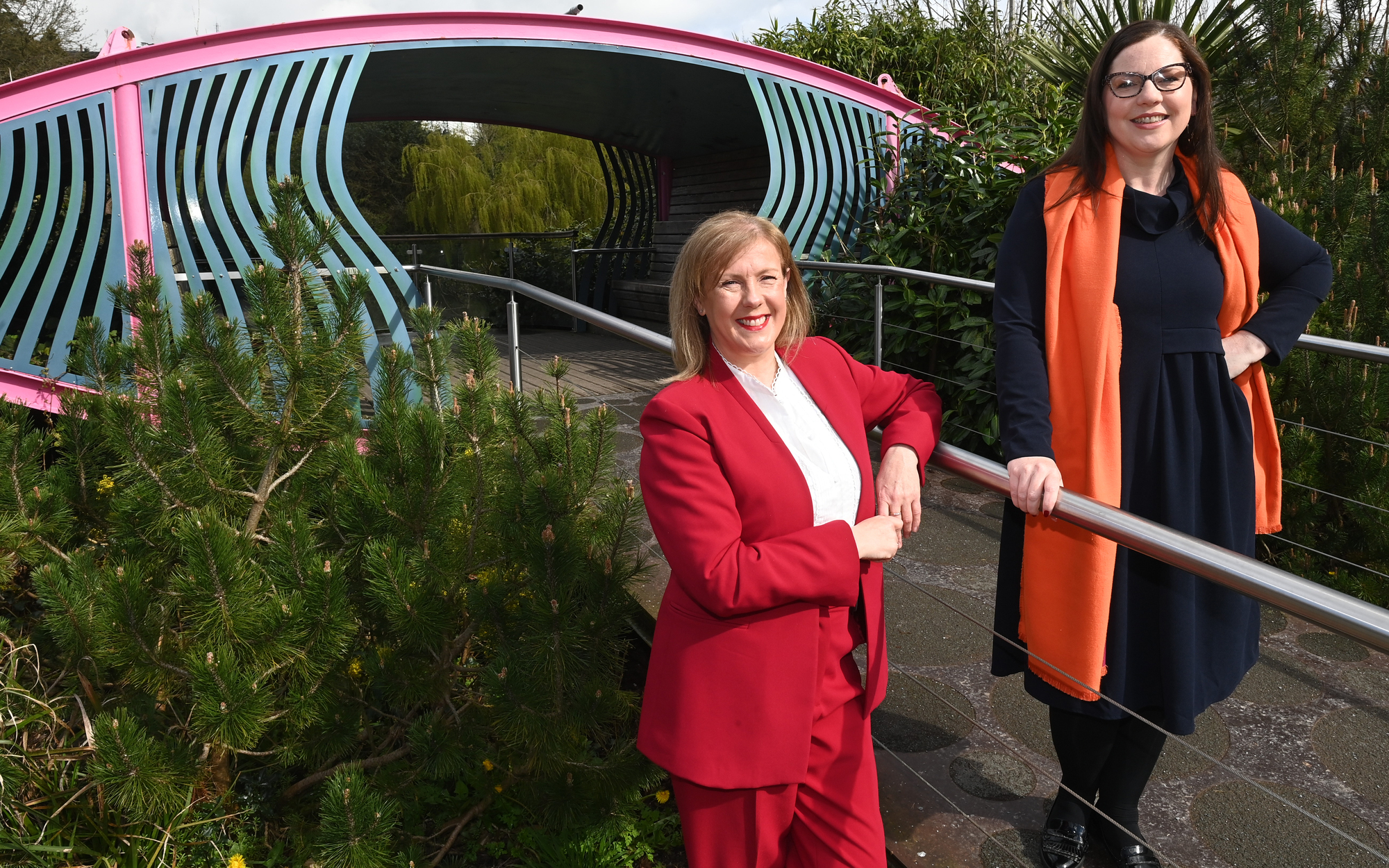
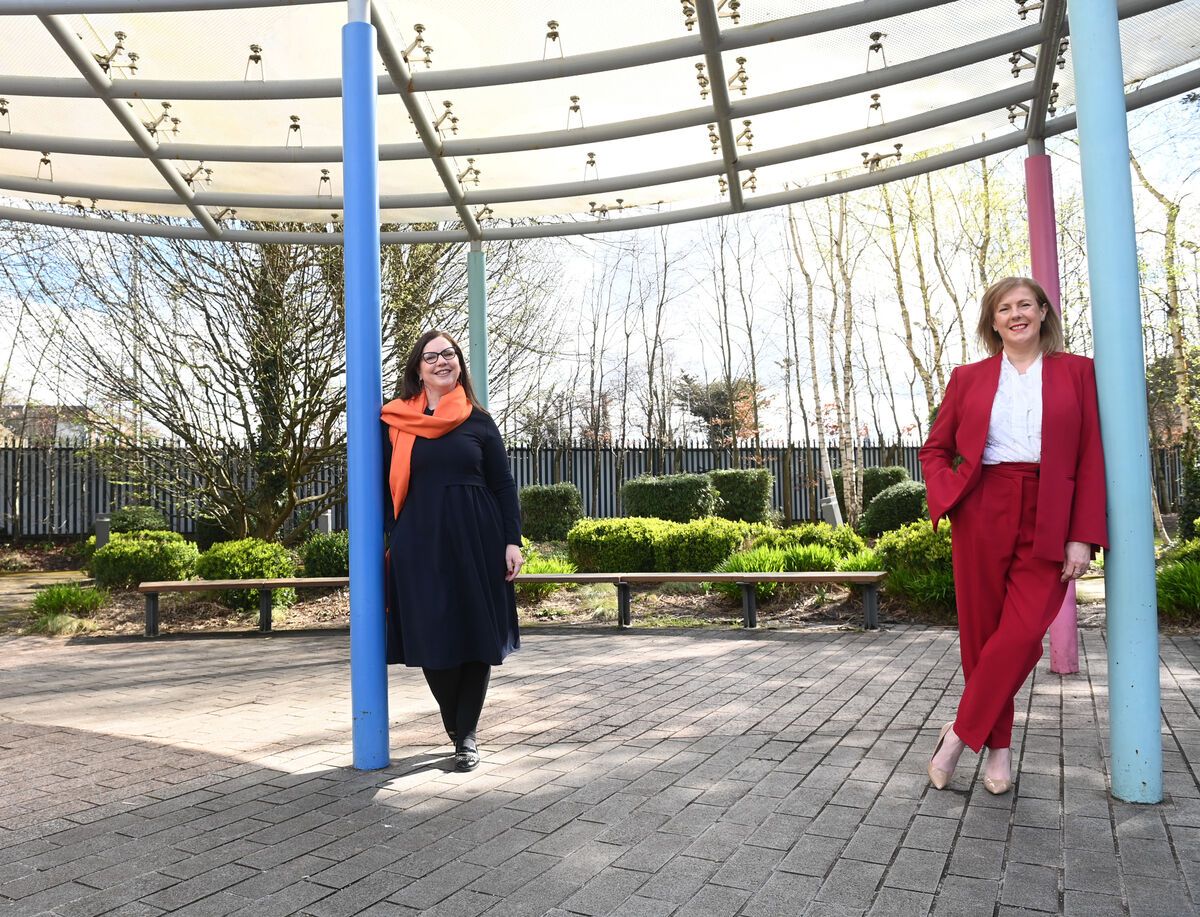
RHEA was founded by Dara O'Shea and Louise O’Brien. RHEA was created to enable families and individuals experience meaningful and personalised goodbyes for their loved ones, more than just a funeral. Pic: Larry Cummins
It happened not even 24 hours ago. You lost someone very close – a parent or a much-loved aunt who was like a mother – and now you’ve got a million things in your head, a million things to do.
Who’s going to do what at the funeral? Have those reception venues phoned back? What about ordering the wreaths, getting food in for visitors? Have you got something black to wear?
Emotionally, you’ve been hit by a juggernaut, but your head is crammed full of practicalities – full of jobs demanding focus. There’s no space right now for a broken heart.
From a small family, Dara O’Shea lost her dad four years ago and for the first time found herself organising a funeral. “I’m an events manager and, despite managing and delivering events for years, I could feel the stress I was under, the pressure of trying to organise a funeral.
“It was 10.30 at night, after a very long busy day, when I got the time to sit down and write my dad’s eulogy. I thought ‘this is wrong’.”
Dara’s personal experience was the catalyst for setting up RHEA – with co-founder Louise O’Brien, also an events manager – three years ago. An independent funeral planning service, it helps people have meaningful funerals that honour the life of the person who has passed – and reduce stress on their loved ones. RHEA is named for the Greek goddess associated with comfort and ease.
“It’s not that I set out saying this is the area I want to work in,” says Dara. “But that it was the last thing I did that night, writing the most important words I was going to write about my father, I thought it shouldn’t be like this.”
Fortunate to have Louise’s support during the funeral, Dara says “the penny dropped” for both of them – “there should be someone to help families in these circumstances”.
“There’s a burden of work to be done over those days and there’s usually a short lead-in – funerals are done under huge pressure,” says Louise, outlining just some of the work.
“There are jobs to be done around the funeral – for example, choosing readings, what personalised elements to incorporate – and jobs that may happen in the home. Does the house need to be prepared for visitors? Who’s going to be travelling and needing accommodation?”
Dara sees an Irish mindset where, as newly-bereaved, we want to be involved in all of the jobs.
“It’s almost a sign of honour to the person who has gone.”
Working with people in grief, both women see that decision-making ability can be challenged. “People can tie themselves in knots, afraid to make a wrong decision,” says Dara. And the bereaved family don’t always know what to expect. “They often haven’t thought, for example, that they’ll be picking out a coffin, or that they’ll be asked to bring the clothes in which their loved one will be laid out,” says Louise.
People can very easily “survive” the funeral days on adrenalin, rushing around, staying busy, without ever allowing themselves to “go there” with their emotions, says Dara. “This can be very difficult afterwards… they haven’t really allowed themselves be present in the moments around the funeral, and the many social and spiritual rituals and milestones that go with it.”
RHEA guides the family through all the piled-up, time-contingent tasks and helps them arrive at decisions that feel right. “So they have a meaningful, memorable funeral that can support them in their grieving – a personalised experience that really reflects the person who has passed,” says Louise.
Translating this vision into the detailed micro-tasking of funeral preparation could see the Cork-based RHEA partners doing anything from “bringing flasks for the catering”, to spending two hours with a family on prayers of the faithful. Sitting around a kitchen table with newly-bereaved siblings and one remaining parent, everything is loaded with emotion and meaning. “Helping the family negotiate who’s going to do what in the ceremony can be a very long conversation,” says Louise.
“We’re like a filter. The family are all talking together, talking from the heart. What kind of music did their dad like? They’re reminiscing about the time they went to Spain and he fell in love with the culture and ‘do you remember him driving us off to Flamenco displays’, and how the car broke down and they missed the flight home. All these funny stories and 15 minutes later they take a breath.
“Dara and I are distilling down the conversation, taking it in, organising the information, saying ‘you mentioned Flamenco – would it be nice to have a bit of Flamenco music playing in the background at the reception, would that strike the right chord?’”
Dara says RHEA wants the family to feel minded. “Switch them off from ‘I’ve 15 phone calls to make, I have to buy the black pants, ring back the hotel and tell them the menu – and did Auntie Eileen get a hotel room?’ “They should be sitting with family, sharing comforting memories, putting their arms around a grandchild, opening the door and saying ‘come in’ to the neighbour dropping off an apple tart. We’re doing the tangible stuff [so they] have the intangible benefit.”
![Dara O’Shea and Louise O’Brien: "We’re doing the tangible stuff [so they] have the intangible benefit." Pic: Larry Cummins](/cms_media/module_img/8114/4057096_6_articleinline_LC_20rhea_2006.jpg "Dara O’Shea and Louise O’Brien: \"We’re doing the tangible stuff [so they] have the intangible benefit.\" Pic: Larry Cummins")
Working with families at such a precious time is a privilege, Dara muses. “You’re seeing them in the lowest of times.”
And yet, says Louise, there can easily be laughter too as they remember ‘when that happened’. “You start seeing the colour and life of the person who has died. I’ve introduced myself to the person in the coffin, who I’ve got to know through their wife, child, grandchild.”
Dara and Louise attend Irish Hospice Foundation events. They were also coordinators on UCC’s posthumous graduation – honouring students who died before sitting their final degree exam. “There’s this little pocket of sadness – a grieving family – in the midst of 170 students celebrating their achievement with proud parents,” explains Dara.
“You’re minding them in a sad event, in the middle of a happy one,” says Louise. “It means discreetly finding a way to bring them quietly into the ceremony, not exposing them to on-campus celebrations. Speaking to families after, I saw the importance of a meaningful ceremony. It gave something back – the life of their loved one wasn’t defined by the way they died.”
When Louise says she’s a funeral coordinator, people openly express their wishes: ‘my ashes to be brought to the bottom of the sea by a diver’, ‘my dog to be there’, ‘the Barracks Street Band to lead the cortege’.
On pre-planning, RHEA recently launched two new offerings: help arranging ahead of the final goodbye for a loved one – and helping people plan their own meaningful last goodbye.
“We imagine the sense of control and empowerment to be able to plan your own funeral must be reassuring,” says Dara.
We’ve all been that person, or seen them – the one running around before the funeral ceremony with pieces of paper containing readings and prayers, watching the clock, asking is so-and-so here? “And they’re missing being there, connecting with the beautiful words and rituals,” says Dara.
Nobody looks forward to a funeral, she says. “But everybody should be able to look back and feel consoled and proud that they did their best for the person who has gone.”


CONNECT WITH US TODAY



Be the first to know the latest news and updates