I was a mother of two. Five weeks later, a mother of one. Here's what I learned about true grief
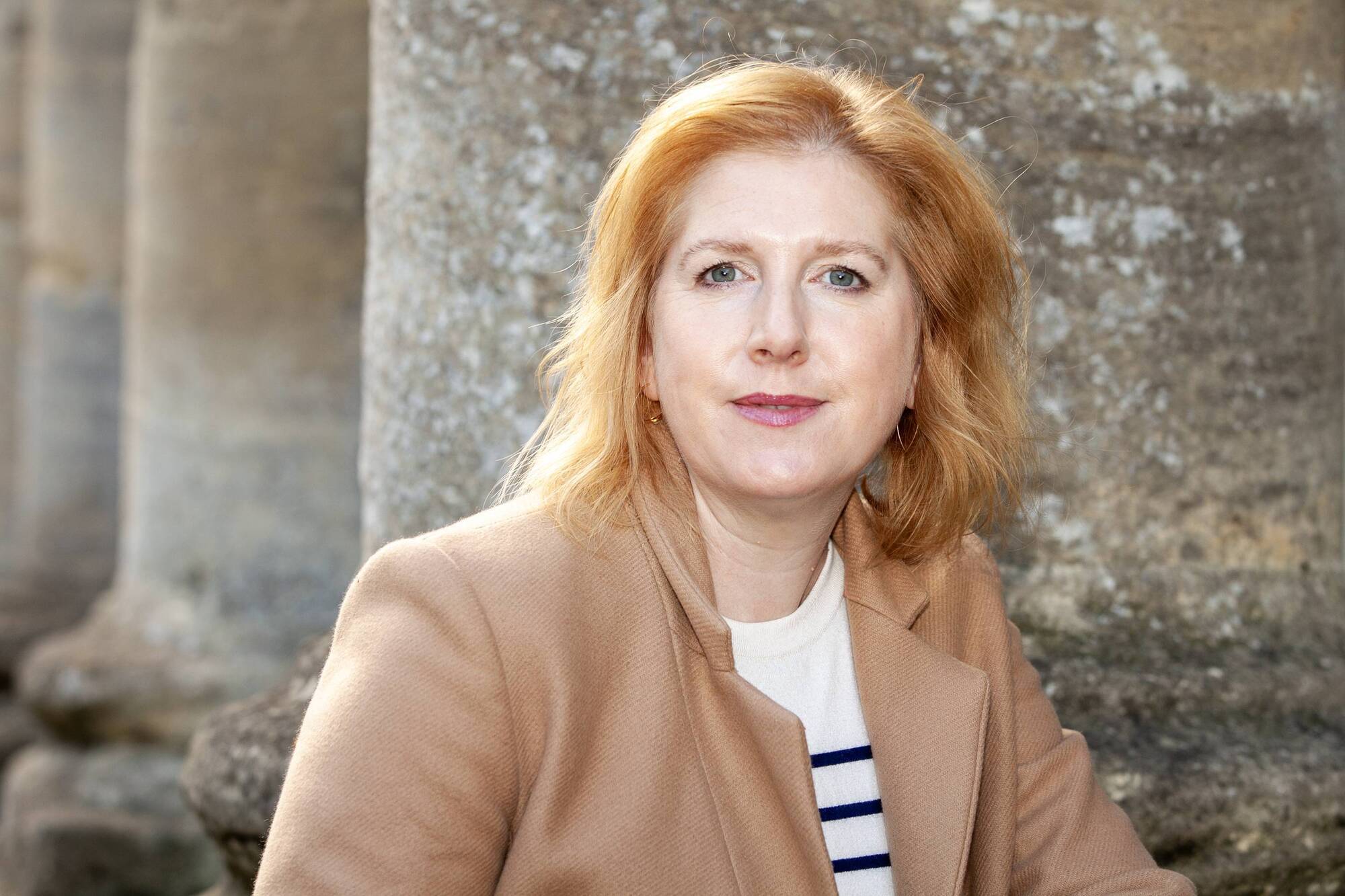
On November 5, Clare Mackintosh became a mother of two. Five weeks later, she lost one of her baby boys. She shares her story
Clare Mackintosh was 30 when she lost her baby son, Alex, at just five weeks.

Clare Mackintosh was 30 when she lost her baby son, Alex, at just five weeks.

If you had asked me when I was in my 20s what grief felt like, I would have told you it felt like sadness. I would have told you that people who were grieving cried a great deal, found little joy in everyday pleasures, but that they eventually moved on.
I knew nothing, back then, of grief.

Three of my grandparents died when I was very young, and when the fourth passed away, I was old enough to understand that, sometimes, death is a relief. It was not until I was 30 that I encountered true grief, and when I did, it almost took me with it.

In 2006 I was pregnant with twin boys, enjoying as normal a time as one can when one is the size of a small county. We had painted the nursery, purchased two cots, a double buggy.

With three months to go, we were ready. (There would come a brief, irrational moment when I would wonder if that in itself was the cause of everything that followed; if I had somehow organised my boys into the world.)

At 26 weeks pregnant, my waters broke, and the boys began clamouring to be born. The doctors were able to put off the babies’ arrival by just under a fortnight, but on November 5, 2006, I became a mother of two.

Five weeks later, I was a mother of one.

Although premature, both my boys were healthy and strong. Josh had to be intubated, but Alex — the eldest — breathed for himself right away. Soon, Josh came off the ventilator and moved next to his brother, and my world became the small space between their incubators.

Every day, they grew; every day, they were stronger. Every day brought another tiny miracle, and soon the doctors began to make cautious predictions about when the boys might be able to come home.

Then it all went wrong.

Had I truly known what grief was like back in my 20s, I would not have believed it.

A hospital bug, they said. Pseudomonas. I hate that I remember its name so clearly, when there’s so much else I’ve forgotten. The precise colour of Alex’s hair; the feel of his tiny body against my chest...

Pseudomonas became an infection; the infection became meningitis. Meningitis became a bleed which seeped through Alex’s brain, unrelenting in its quest for damage.

When Alex was five weeks old, we removed him from intensive care and let him die.

Grief isn’t just sadness, I realised. Grief is a violent rage that makes you snarl like a lion. It’s a numbness that leaves you feeling as though you’re viewing the world through a thick fog. Grief is something crushing your chest, so you have to fight to take a breath.

And yes, sadness. I was so very, very sad. I cried until my eyes were slits and my throat was raw, and then I cried some more. Some days, merely opening my mouth to speak would prompt a fresh wave of choking sobs. No one knew what to do with me. I didn’t know what to do with myself.

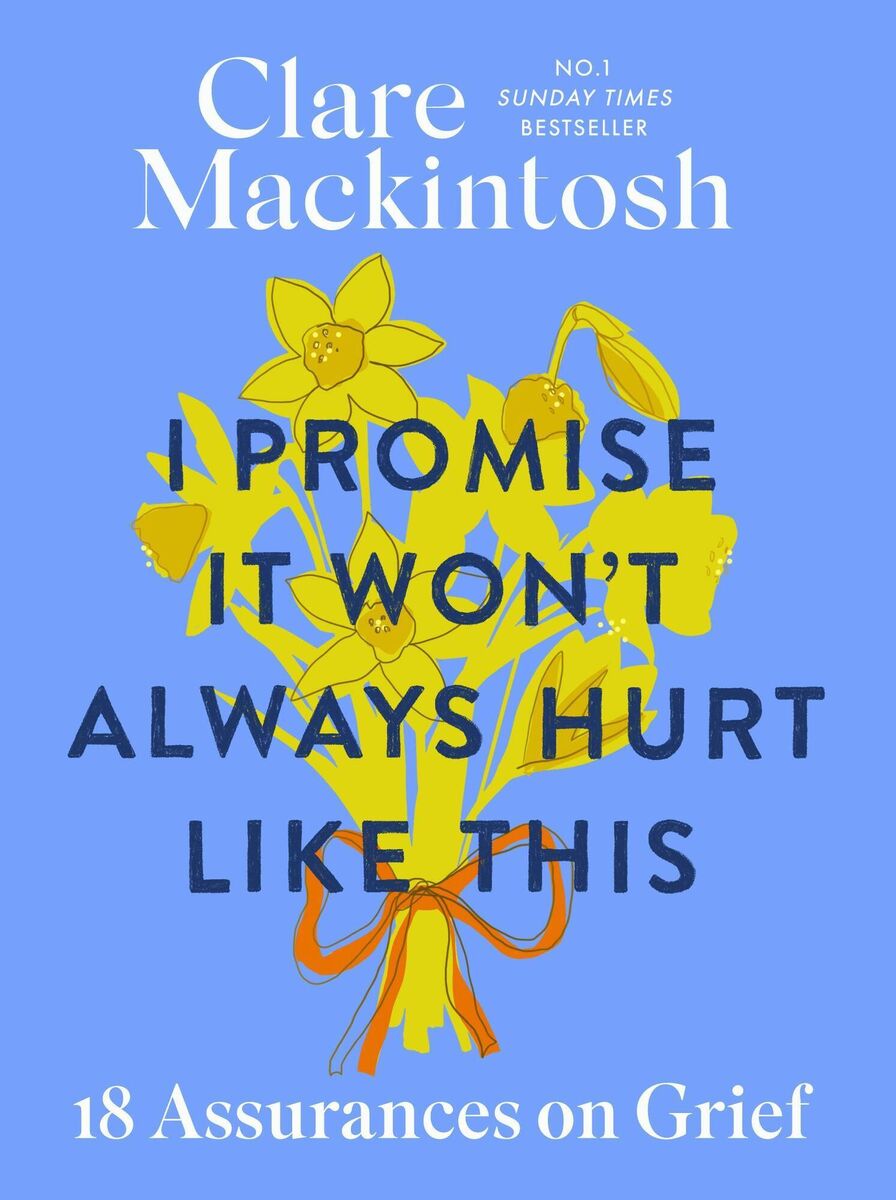
It was during this time that a stranger came to my door with a bunch of daffodils, damp from her garden.

She explained that she had lost a child herself, many years previously, and that the pain I was feeling at that moment would not last forever. It will get better, she said. I promise.

To say that I didn’t believe her would be an understatement. I considered her promise an out-and-out lie. If her own grief had abated, I reasoned, it can’t have been as bad as mine; as intense, as all-encompassing.

But she was right. 

There are more snakes than ladders in the game of grief, and over the last 18 years, I have found myself sliding backwards more often than I’ve climbed. 

And yet somehow, here I am: If not at the finish line, at least in sight of the flag.
On the fourteenth anniversary of Alex’s death, the day had already unfurled before I remembered its significance. I felt guilty for having forgotten (guilt is interwoven with grief; something else my 20-something self didn’t foresee) but I also felt something akin to pride. I had survived. More than that: I had thrived. I thought of the daffodil woman’s promise, and I felt an urgent need to pay it forward.

I shared my thoughts online in a post that swiftly went viral. My inbox was flooded with messages from people all over the world, who wanted to reach out with their own stories of grief and hope. I tried to reply to them all, and when I couldn’t, I wrote a book.

I Promise it Won’t Always Hurt Like This is my journey through grief. It explores the way our symptoms evolve over time and offers a glimpse at a future where your loss will no longer consume your every waking thought. It’s a book for anyone who has experienced grief or wants to be prepared for future loss; a book to give to a friend when you don’t know what to say. It’s the book I wish I’d had when Alex died.

Had I truly known what grief was like back in my 20s, I would not have believed it. I would not have accepted that anyone could live through such pain and come out stronger. Yet when I look at the people I know who have lost loved ones, that is what I see. Strength. Courage. Understanding. Veterans of a war they never wanted to fight.

We do not ‘get over’ grief, but we learn to live with it. We carry our grief everywhere, and over time, the edges become softened, the way a pebble is smoothed by the sea. We will always grieve, but our loss no longer defines us.

That’s the truth. I promise.

  • I Promise it Won’t Always Hurt Like This by Clare Mackintosh is published by Sphere.

More in this section

Lifestyle

Newsletter

Eat better, live well and stay inspired with the Irish Examiner’s food, health, entertainment, travel and lifestyle coverage. Delivered to your inbox every Friday morning.

Cookie Policy Privacy Policy Brand Safety FAQ Help Contact Us Terms and Conditions

© Examiner Echo Group Limited