Why you should limit your teen's time online this festive season
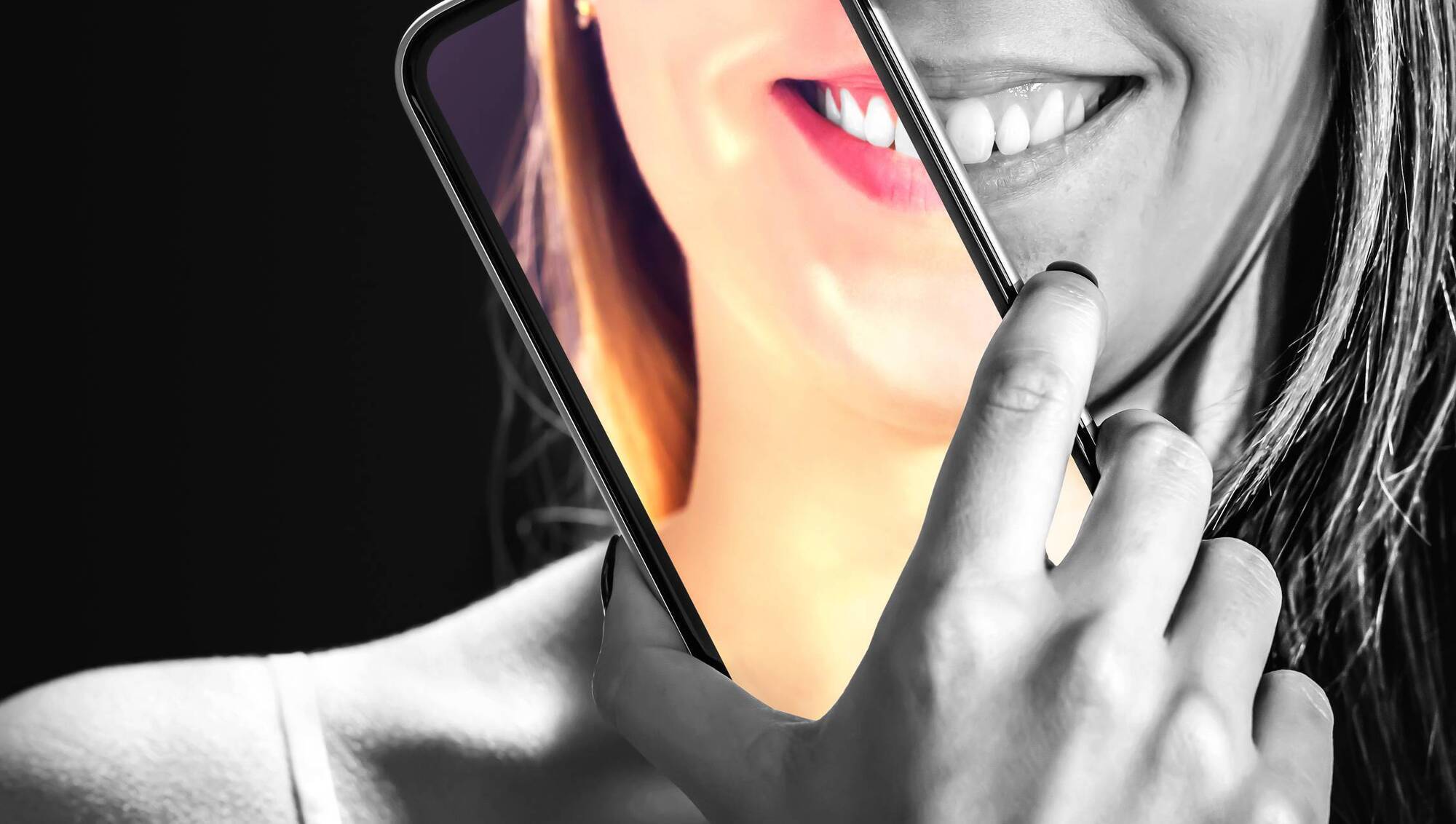
Most teenagers live through social media. It has become their primary way to communicate with their peers, to learn about the world, to develop friendships and relationships, and to thrive in this era of ‘living your best life’.
Is there a new smart phone or ring light on your teenager's Santa list this year? It can feel like having tech as part of their lives is unavoidable.
Most teenagers live through social media. It has become their primary way to communicate with their peers, to learn about the world, and to develop friendships and relationships. However, it can also instigate exclusion , worry and constantly catching up to new ideas as to what is considered ‘perfect’ or ideal.
Despite encouraging young people to engage with their peers, social media can thwart the relationships of teenagers with microaggressions, harassment, and continual competition.
“It is about longing to belong and be part of ‘what is happening’ but feeling judged for absolutely everything,” writes Rosalind Gill in the book Perfect: Feeling Judged on Social Media which details the ambivalence young women feel about interacting on social media.
Gill highlights the insecurity young people feel online, noting that feelings of initial acceptance and the temporary positive highs of connection, dissipates into feelings of being “trapped” into being complicit in perpetuating a falsehood among their peers.
“I feel a lot of pressure surrounding [social media],” says Sarah (22), DCU Students Union Vice President for Wellbeing. “Everyone I think has a problem where they compare themselves with others which lowers their own self-worth and for me social media tenfolds this. It's a comparison on every ground no matter what insecurities you have. It can make you feel bad about your social life, financial situation, size of your bedroom, your house, face, clothes, intelligence, and body. No matter what your insecurity is, it doesn't have to be about your appearance. Social media comparison can make you feel bad or worthless about any aspect of your life.”
“We are going through a cost-of-living crisis where students are struggling to find and afford a place to live and feed themselves,” says Sarah.
“And then you go on social media and see influencers living brilliant lives making so much money off social media, where a lot of their videos are promoting clothes, makeup and food most students can't even afford, which makes them feel bad about themselves.”
While Facebook and Instagram are now outdated to Generation Z, they may maintain these accounts out of necessity to stay connected with family or organisations.
The vast majority of teenagers and young adults use Snapchat and TikTok and largely recognise the addictive properties of these platforms.
Social media use is worth millions to industries across the board as platforms promote and sell, however, younger generations are increasingly aware of how engaging with these platforms is often surrounded by ambivalence.
“Because everything has to be so short and quick on social media, it can often feel like your opinions are being condensed into a simplified version,” says Amy (18) a student and cohost of the Sustainable Sleepover Podcast.
“There's less room for complexity and nuance online than with a real conversation, or even a podcast. It can feel like people are trying to put you into a box.”
“Many young people, once they start using social media, can end up spending a lot of time on it,” says Anne McCormack, psychotherapist and author of Keeping Your Child Safe on the Internet.
“One of the consequences of this can be that they spend less time on schoolwork and interacting with family, and they can prefer to be online than out playing sports or engaging in activities. Apart from this change in routine, there is another layer of change that may be going on – that change that can be happening inside the young person’s mind.”
“On social media, likes and followers have become a form of social currency,” says Mark (18) a student. “When a post receives fewer likes than expected or when my follower count stagnates, I've noticed a pang of disappointment and a dent in my self-esteem. It's as if my worth is measured in double-taps and comments rather than my real-world achievements.
“I find myself scrolling through an endless feed of carefully curated images, showcasing the highlight reels of people's lives,” says Mark.
“From the exotic vacations to the perfectly plated meals, it's easy to get lost in a world of comparison. One example that comes to mind is the constant stream of posts showcasing academic achievements. When a fellow student shares a high exam result or celebrates an acceptance letter to a prestigious program, it's challenging not to compare myself,” he says.
“It’s important to realise that young people using social media are at a very different stage of development in their minds to adults,” says McCormack.
“A constant need to get ‘likes’ can become debilitating for some young people if they are not prepared to handle well the social media environment. But these can largely be avoided if the child’s mind is prepared and supported along the way.”
By limiting time spent online, not relying on appearance, fostering confidence outside of social media, understanding the negative traits of the online world, and surrounding yourself with the right people, your self-esteem and self-worth can improve and stay intact throughout the challenges afforded by life.
“It's not all gloom and doom,” says Mark. “I've also experienced moments of genuine inspiration on social media. I've seen powerful movements like #BodyPositivity and #MentalHealthAwareness challenging conventional beauty standards and fostering discussions that can genuinely boost self-esteem.
"To strike a balance, I've started to remind myself that social media is a highlight reel, not an accurate portrayal of someone's entire life. I've become more conscious of the fact that what I see on my screen is often a carefully constructed narrative, not the full story.”

CONNECT WITH US TODAY



Be the first to know the latest news and updates