Chupi talks taking on a male-dominated industry and why Cork is the next big step
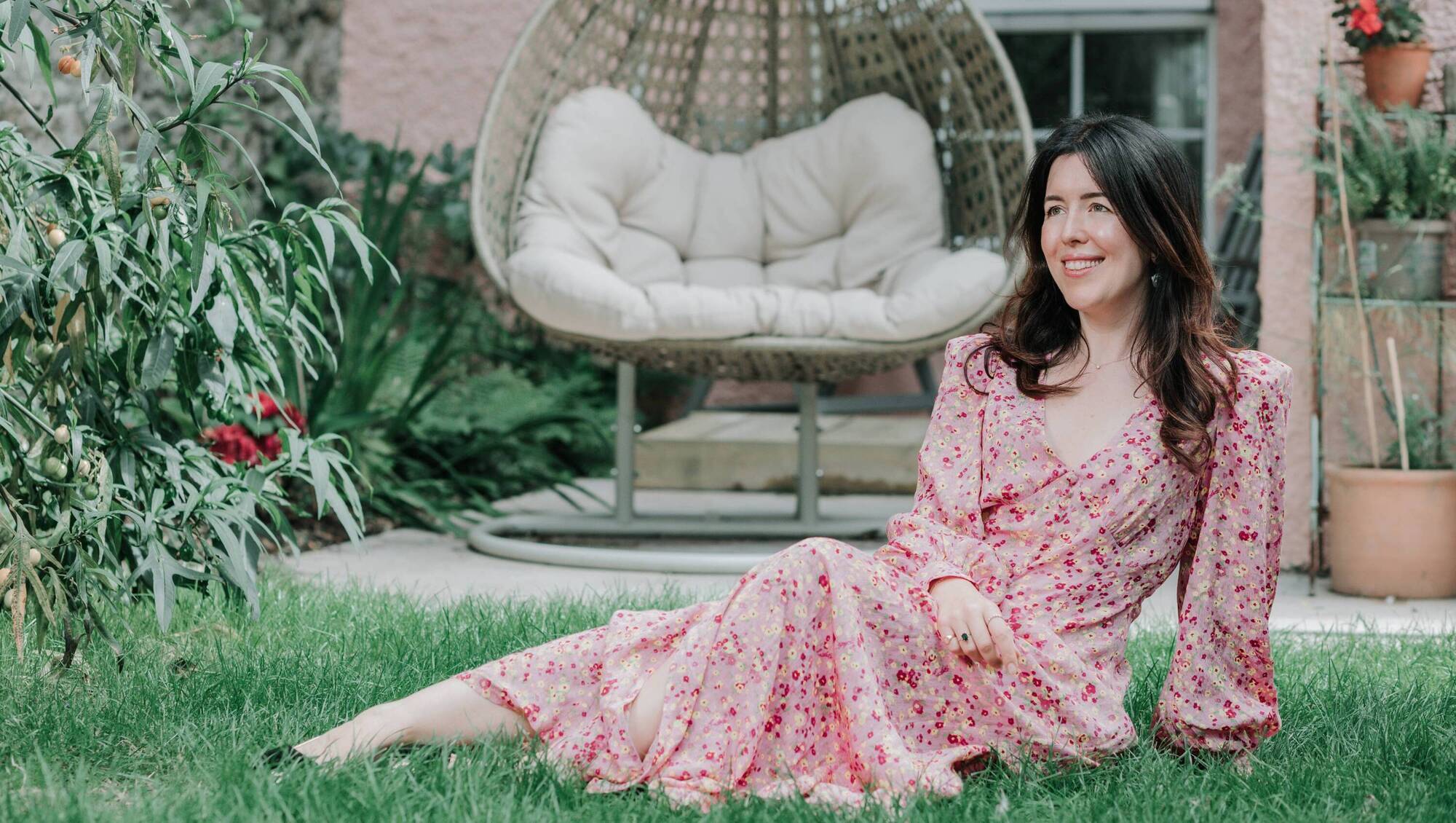
Chupi is ready to take on the world and where’s her first stop? Cork, of course. Picture: Nina Val
Of all the things Chupi Sweetman-Durney has; money, influence, and talent, the one thing that lingers with me after spending time in her presence is her “soft power”.
It’s an ineffable quality, characterised by a gentle optimism that ironically has drawn her toward the hardest naturally occurring substance found on earth, the diamond.
“I’m utterly gullible. I’m very, very trusting but I wouldn’t change it. That’s just who I am. I would rather love unconditionally than be sceptical,” she says.
Chupi entered a space that for years was mired in controversy, dominated by men and notoriously unsustainable. The diamond industry has churned out its fair share of stereotypes; the merchants, the dealers, the hawkers. So where did an idealistic designer from west Wicklow fit into this luxury space?
The answer is, she didn’t. Chupi’s sustainable approach to diamonds and her commitment to traceability is changing the face of the jewellery industry. She is ready to take on the world and where’s her first stop? Cork, of course.
“Cork has always had a really special place in my heart. My mum’s twin sister and her husband own Sir Henry’s, a house on the Castlehyde Estate. Every summer holiday, every Christmas was spent there.
The appetite for Chupi in Cork is steadily growing, according to the designer.
“We did a series of trunk shows over the last five years in Cork. We had to close doors. It was complete bedlam,” she says.
While childhood nostalgia still brings a smile to her face, it was Cork’s cutting-edge approach to design, sustainability, food, and culture that attracted the entrepreneur.
“Cork has really embraced us and what we stand up for around design, sustainability, beautiful things made well. That’s why Cork was that next logical step for us.”
Readying herself to occupy the space on Brown Thomas’ first floor, Chupi is going big and bold.
“They’ve given us a really beautiful space that is absolutely dangerous to me and the team because we’re surrounded by all the gorgeous brands. There’s a chandelier light installation there. We wanted to make an impact rather than go for a small space.”
Chupi’s identity is built on the stories of people choosing jewellery with meaning and she’s keen to drive home the idea that women can and do buy their own diamonds.
That unique selling point could easily veer into twee territory but Chupi is adamant that “moments marked,” encompass not just the wins but the losses, the failures, and everything in between.

“We’re very much in the business of the biggest moments of your life. We are the day you fall in love but equally, we’re the day you get divorced. It’s the day you choose yourself. The day you quit. The day you get your dream job.”
Chupi and her husband Brian have been together “since they were babies” but she’s keen to point out that “none of it has been a fairytale”. They work well together in business but their struggles to conceive naturally caused undue stress in their personal lives.
“We had a four-year road to our daughter, Aya. It was a heartbreaking rollercoaster that eventually ended with her.
"We are a living, breathing relationship and there are dark days that cannot be changed. It’s remembering that there is always a path and just trying to find a way.”
As far as brand identity goes, Chupi’s feels authentic and grounded but it is a business, and businesses don’t survive without prioritising profit. As vulgar as it may seem, I want to know how Chupi feels about money.
“As women, we shy away from talking about money,” she says. “It’s important to think about revenue. We’ve grown the business very much from a spare room to a €5m business.
“Turnover is a hugely valuable thing and as women, we don’t think about it enough, we’re not proud enough of those numbers.”
While money fuels the business, equity and partnership is what feeds her, whether that’s giving a platform to other woman entrepreneurs like Aoife McNamara who showcased at Chupi’s store as part of the Chupi & Friends series.

But how did an idealistic child from Hollywood, daughter of feminist journalist Rosita Sweetman and economist John Pell, harness that soft power to become a multi-million euro business owner and key player in the jewellery industry?
A lot of it came down to her name, she says.
“Nominative determinism says that we are shaped by [our] names. Being named Chupi, I had to learn to communicate, to tell a story, to
explain why my parents named me Chupi from a very early age.”
A fiercely independent streak prompted her to run away from home.
“I was a voracious reader and I remember being quite cross at mum because she wanted me to stop reading. I took my duvet and my book and I ran away to under the hawthorn tree. It was only about a 10-minute walk down the road but my poor mum nearly lost her life.”
Chupi's wide-eyed optimism doesn’t stop her from having major ambitions and she has her sights set on entering the retail space in the UK next.
"I’m not bothered by the idea of money and design, it’s just two different ways of measuring how you impact people’s lives.”
Does she see her jewellery as a type of legacy? “Sustainability is at the heart of what we do at Chupi. It’s that triple bottom line; people, profit, and planet. I have a three-year-old. I want there to be a planet left for her.”
Part of that strategy is eschewing mined diamonds and replacing them with their more ethical lab-grown counterparts that are indistinguishable to the untrained eye.
“Our job is not to preach. It’s to ensure when you choose your diamond, you choose the best damn version of it. Years ago, I wore my grandmother’s fur coat. I wouldn’t wear it today.
“In 20 years, will the next generation wear mined diamonds? I don’t think they will because the world is changing so fast.”
That forward-thinking attitude carries through into the brand’s DNA and in the spirit of traceability, Chupi has her sights set on the blockchain market.

“Blockchain is basically a public ledger public notebook. It’s a permanent record of where your diamond and gold was made. We use the Assay Office in Dublin Castle and they hold records of every piece of jewellery made in Ireland.
“We want to take that and make it digital so that anyone in the world, when you pass those rings on to the next generation, that is a global ledger that says this is where the diamonds came from.”
For years, humans have been wearing jewellery as talismans to protect, commemorate, and symbolise. I always dreamed of receiving an emerald ring as a gift from a loved one but last year, I realised that loved one could be me.
I wear my Chupi emerald evil eye ring every single day. I bought that ring because I wanted to and because I could.
CONNECT WITH US TODAY



Be the first to know the latest news and updates