'I've been struggling to accept my body has changed – here's what I've learned'
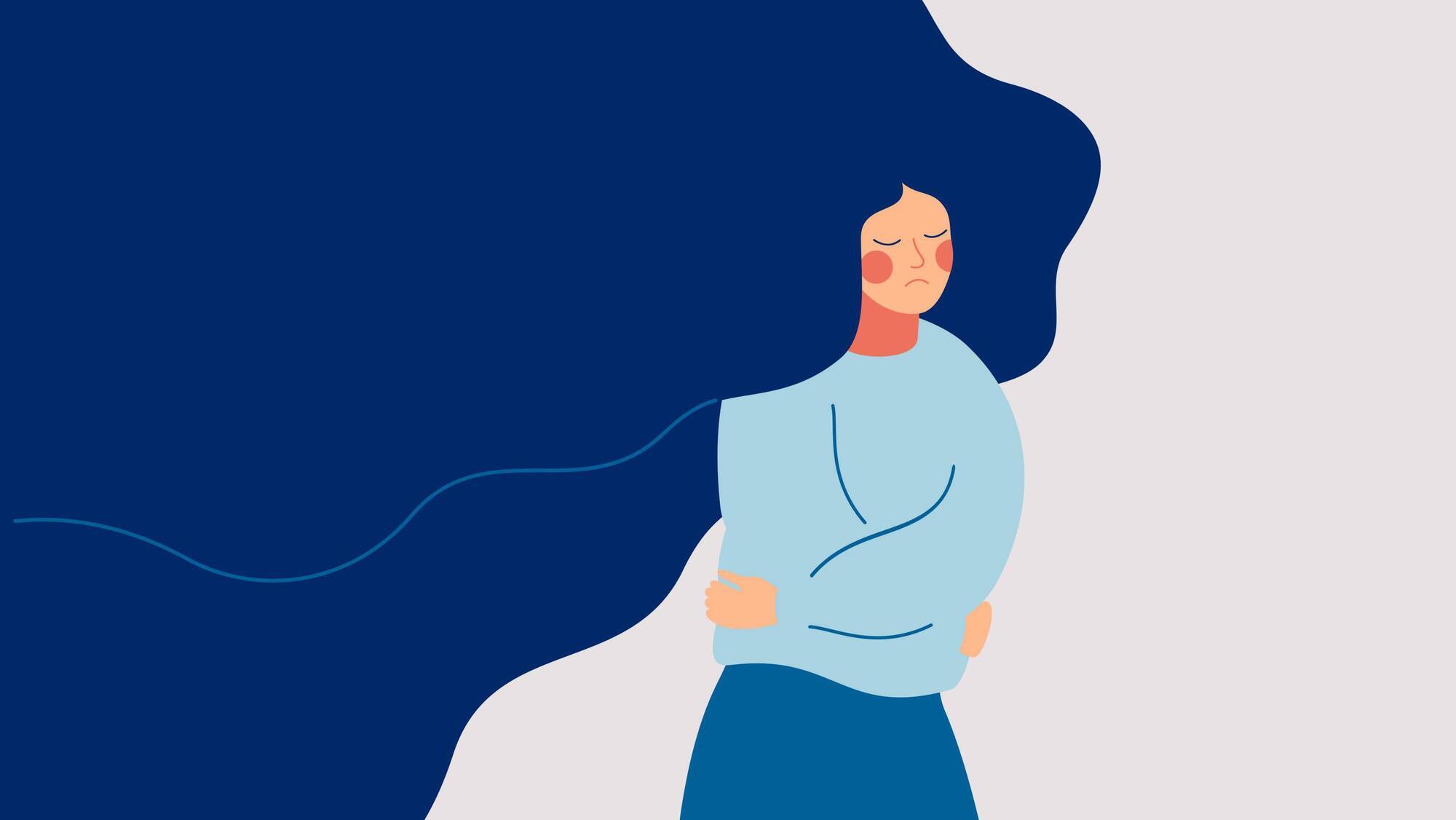
Nicole Glennon: I no longer want to avoid celebrating important milestones in my life or getting into selfies with friends
Have you ever seen a photo of yourself and felt shocked, ashamed or disgusted by your appearance?
Then, there was the return of cystic acne that was triggered by mask-wearing, and some dental work that didn’t go to plan.
Slowly, and then all at once, the realisation that I no longer had the body I once had settled in my stomach like a 2am pizza you regret halfway through its consumption.
In the past few months, every time I see a photo of myself I feel shocked. “Is that what I look like?” I think, horrified. Is that what my boyfriend sees? My friends? My family? My colleagues?
There’s a sense of shame, that ironically, I feel ashamed writing about.
These days, it feels like we are all being asked to put ourselves in front of a camera more and more — and trolls are never far behind pointing out every perceived flaw.
Many of us follow people on social media for whom looking good pays the bills. It feels like everyone is a brand, selling ourselves to future employers, partners, and friends, via social media.
A survey carried out in Ireland by Censuswide last year found that 78% of Gen Z adults, that’s my cohort, want a job as an influencer.
It stands to reason that with such a high percentage of us aspiring to a career that puts self-branding above all else, shame can come into the equation when you feel you don’t add up.

Sharon Huggard, a Cork-based style and body confidence coach, tells me there is “so much pressure” on everyone these days to look “perfect”.
Social media, she believes, has played a big part in making people feel their “real” unfiltered self doesn’t measure up, and it’s part of the reason she’s launched a campaign #GetinthePicture, encouraging women to take a photo of themselves and upload it to Instagram today, August 19, as part of National Photography Day.
“One of the activities I am determined to put an end to is opting out of photographs,” Huggard says.
My story isn’t a unique one she tells me, and many of us, women in particular, are letting body hangups stop us from living our lives to the fullest — and documenting those happy moments.
“Everybody has imperfections, everybody has things that they’re conscious of... the more we take pictures of ourselves [as we naturally are], the more used to it we ourselves become, and the more acceptable it will become in society.”
We are all primed for comparison — but Huggard says it’s important to remember you’re comparing “apples and oranges” when you compare your face in the mirror to stylised, filtered photos on the gram designed to sell a product, service, or lifestyle.
Getting into where that voice came from is a whole different article, but for today, I am writing this piece in the hopes it might help someone else who is feeling this way too.
I am working on standing up for myself against that voice. Being aesthetically pleasing doesn’t define my worth in this world — and it doesn’t define yours.
- Women are encouraged to get in the picture on August 19, National Photography Day, by uploading a photo of you as you are on the day with the hashtag #getinthepicture, and tag @sharonhuggard_
If you’re going through a bad patch, it might be a good idea to take Instagram off your phone for a period. The unfollow button is always there too. If you don’t want to leave social media, try and populate your feed with people who show unfiltered skin and bodies of varying sizes, shapes, colours, and abilities.
Having a few outfits that you always feel good in is great for those days when trying on numerous things can lead to tears. Sharon emphasises “style is not a size”— don’t punish yourself by avoiding buying yourself new, comfortable clothing because it’s a size or two bigger than what you are used to buying.
Would you ever tell a friend they should skip an event or not buy themselves a new outfit until they weigh x, fit into y, or look like z?
Donate, sell, or recycle clothes that no longer fit you or clothes you never wear because you don’t like how you feel in them.
It might sound counter-intuitive, but the more you avoid photographs of yourself the more you dislike the ones you see because our brain is designed to prefer the familiar. So, get in the picture.