Aoife Moore: 'I have had people threaten to skin me alive'
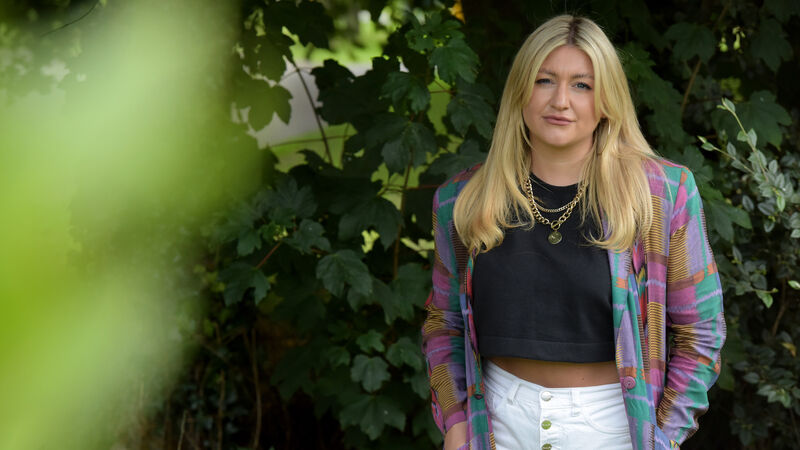
Aoife Moore, journalist and author. Photograph Moya Nolan
Fourteen days into starting her dream job at the Irish Examiner at age 28, the abuse began.
âLanding a job at what I believed was the best national paper in the country, it was a dream come true,â Aoife Moore recalls.
âI remember my dad was just over the moon. I was the first person in my family to go to university â to be at a broadsheet newspaper, at Leinster House every day, interviewing the Taoiseach... I was on such a high.âÂ
But just two weeks into her new job, while the Derry native was still finding her feet getting to know new colleagues, build up her contact book and impress her new editors, one of the first targeted tweets popped up on her phone.
âI remember the day because it was my birthday," she says wryly.
It was the start of a sustained period of trolling â a period that has continued to this day.Â
âOn Twitter, the abuse was from men,â Aoife recalls (she has since deleted her account, though she stresses the decision was not made as a result of abuse). âOn the gossip forums, itâs women, and the stuff women say is way nastier.
âItâs about my looks, my parents, what my parents look like, my background.
âHomewrecker, slut, shameless,â she says, listing the terms most commonly used to undermine and humiliate her.
Aoife's experience tallies with findings released from a recent DCU report which examined the experiences of women in Irish journalism online.
Drawing on interviews with 36 national-level female journalists, the report found that while male journalists are also subject to abuse online, female journalists were more likely to receive âparticular gendered insults and threatsâ, whether related to their appearance, comments that included outrightly sexual undertones and attempts to discredit their expertise or professionalism.
âThere is nothing people love more than ripping a woman apart,â she says.
In the early weeks of the abuse, the former Political Correspondent, who went on to work at the , says she tried to ignore it, telling herself it was part and parcel of being a âsuccessfulâ journalist. But, as it intensified, it began to impact her work and her life.
âI became paranoid and anxious,â she recalls.Â
âI stopped going to press conferences because I was afraid people who had trolled me would be there. I looked at other journalists with suspicion, convinced every single person I met hated me or thought I actually deserved to be told to kill myself every time I lifted my phone because I was a bad journalist and a worse person.

âIâve cried in front of gardaĂ, politicians, editors, every journalist in Leinster House... I couldnât deal with it. Every time I opened my phone, there was something else.âÂ
She began attending therapy once a week in an effort to manage her reaction to the abuse.
âI went every week for a year until I was able to get down to once every two weeks,â she says. "Then, I went on an anti-anxiety medication.âÂ
Three years on, Aoife says she feels she is better able to handle the abuse â but it has had a lasting effect.
âIt really, really changed how I thought about myself, and my work,â she admits.
âEven now, I am making a documentary for RTĂ, and when I watched the rough-cut, I was saying 'you can see part of my hair extensions there, I am going to get shit about that. I am making a funny face there, Iâll get shit about that.âÂ
âIâd started focusing on everything people would say before theyâd even said it.âÂ
The journalist is keen to stress that trolling not only affects the person directly targeted, but those around them too. In online forums, her life was dissected, with rumoured romantic partners, friends and others also being dragged into the mix for abuse.
âI donât think people have any idea the toll it takes on people â it impacted my colleagues, my friends, my boyfriend.
"I started feeling really guilty because I thought, 'jesus, every single person who comes near me is poisoned with this'. You nearly want to lock yourself away so no one else gets hurt. You feel like itâs your fault.âÂ
Aoifeâs own experience of trolling was, in part, why producer Cassie Delaney approached her to see whether sheâd be interested in exploring the topic as part of a new podcast series.
âOnline hatred has driven some people to the most fatal outcome here in Ireland and there does not seem to be a government or tech company on earth who has any idea how to get to grips with it," Aoife says. Â
"Nowadays, it starts young, and it turns out, Irish teenagers have a worse time online than other European teens,â she says, pointing to a 2020 study from the World Health Organisation which found Irish teens rank in the international top ten in terms of cyber-bullying.
The report, looking at 11, 13 and 15-year-olds, also found that Irish children are in the top ten when it comes to 'problematic social media use'.
"Other studies found marginal groups in society including Muslims and people with disabilities are high on the target list and online hate has driven a spike in real-life violence,â she adds.
, available exclusively to the Outcaster platform (it wonât be coming to Spotify, Apple or other platforms), is split into eight parts and attempts to tease out the differences between cyberbullying (which is generally carried out by someone who knows the victim personally) and trolling (which is carried out by a stranger).
Far from being âsome sad loserâ frantically typing away in a dark corner of their bedroom, Aoife says these trolls "walk among us, work beside us".
âThe bullying varies depending on the victim â in one episode we examine when online trolling becomes hate speech. Irish people of colour, disabled activists and trans people receive some of the most horrific abuse, and when we spoke to them, we were shocked to find out that some of their most hateful messages came from people within their own community. Likewise, a guest who was a victim of image based sexual abuse was betrayed by her former partner, and then a willing friendship circle who shared the video hundreds of times.âÂ
Aoife says influencers appear to come under some of the most âsustained and targeted online hate and garner the least sympathyâ.
âIt appears that if you advertise fake tan or post content on Instagram for business purposes, you should expect people to hate you or worse. Some have been reported for child abuse, others have had their address posted online, death threats are common. One influencer I spoke to for the podcast thought about taking her own life when she was pregnant."
The podcast also features Jackie Fox, the mother of Nicole âCocoâ Fox who was targeted relentlessly online before her death by a group of women known to her.
Aoife says she âdespairedâ numerous times making the series.
âDespite claiming that they believe this online abuse is justified, the gossip websites are almost completely filled with anonymous accounts, and despite repeated requests for my own personal trolls to speak to me for the podcast, none have come forward.âÂ
One user of these âgossipâ sites did speak to Aoife for the podcast, explaining that she first logged on to "defendâ an influencer friend from abuse, but ended up bullying others. Another said the sites were like âa car crash and I canât look awayâ, she recalls.
âThis notion that trolls are losers in their mammiesâ bedroom with no boyfriend or girlfriend, no job, no future... thatâs not true. They are your mates, your colleagues at work, girls you went to school with who are married with kids.

âI am not foolish,â she says, âthe people behind the vitriolic trolling â I wonât change their minds about what theyâre doing with this podcast.
âBut for people who maybe indulge in damaging gossip, add hateful comments under Facebook posts.. If you could just stop and pause before you do it. Ask yourself, is this adding anything to the conversation? Is it going to hurt the person? Before you comment on a post of teenage girl talking about what sheâs wearing, or posting that a young woman is a fraud, not worthy of the job she holds â ask yourself why do you want to hurt that person?âÂ
Aoife still has a garda in Pearse Street on speed dial.
âI have had people threaten to skin me alive, someone threaten to kill me with a pitchfork. Iâve been told I am too ugly to rape, but they will give it a go.âÂ
âThe first time I went to the gardaĂ, I remember the garda saying to me, âLook I donât read the papers. Have you done anything?âÂ
âI have never done anything to anyone. I have never written a vicious profile, I have never written anything untrue where a correction had to be issued... I am 32, and I have a garda assigned to me personally because of the risk to my safety.âÂ
âThe view is, if I donât want to be abused, I shouldnât put myself forward,â Aoife says, âso, should women not be journalists?âÂ
During the series, Aoife compares online bullying and trolling to the same mindset that brought people to attend public hangings not so long ago.
âItâs a mob mentality. Despite knowing deep down itâs wrong, they take part anyway, for some lurid escapism that says; âThank God, thatâs not me.âÂ
âBut it was me. Itâs a lot of us.âÂ
- Aoife Moore was named Journalist of the Year during her time at the Irish Examiner. Her new podcast, TROLLED: A podcast about life online, is available now to download at AoifeMoore.Outcaster.io