Pete the Vet: The three main urinary problems that can cause issues for cats and dogs
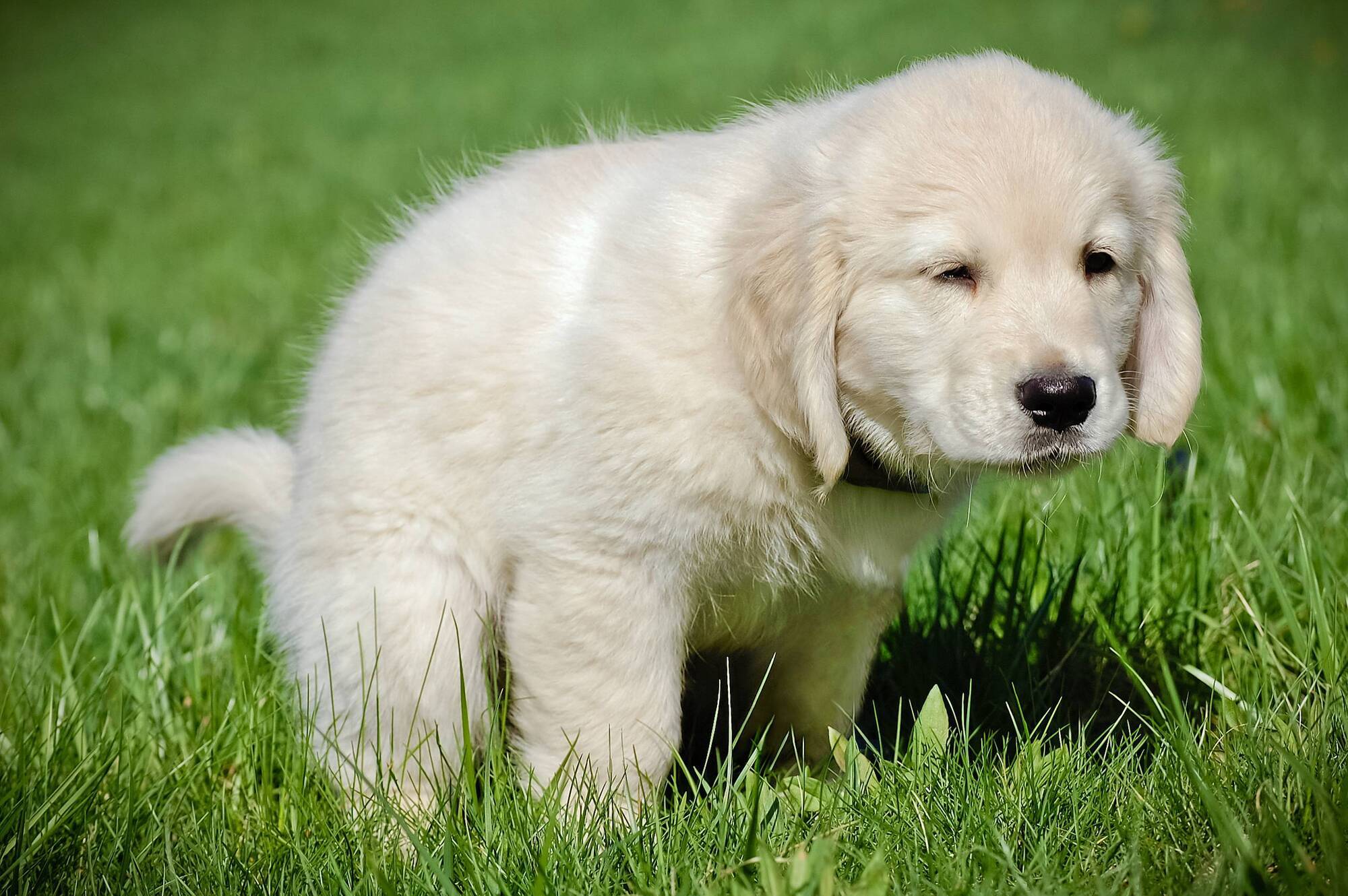
Pete the Vet: A cute golden retriever puppy, learning potty training
Living bodies are remarkable: so often, we take it completely for granted that our bodies – and our pets’ bodies – continue to function effectively for many years, with almost no outside intervention. Everything just works. We breathe in just enough air to keep the cells around our body supplied with oxygen.
Our hearts beat strongly enough to keep the blood moving through our arteries and veins, servicing the different structures around our bodies with nutrients, and removing waste products. Our hormones tweak levels of essential biochemicals up and down to ensure optimal levels. Enough food is eaten, digested and processed to support the body’s functions.
Physical waste material is effectively excreted. Enough water is drunk to keep us fully hydrated, and excess fluids, along with dissolved chemical water products, are excreted in the urine. Life continues in balance, with almost miraculous continuity.
It’s no surprise, however, that sometimes, complications happen. The processes of life occasionally misfire, become imbalanced, or develop inefficiencies. And that’s when people – and animals – fall ill.
The urinary system is a good example of this. The basic concept is simple: blood flows through the kidneys, and they act as living filters. They are like dynamic versions of the filter that many Irish homes have between the well in the field and the household plumbing system.
In the same way, as well water goes into the filter, and clean drinking water comes out, blood full of unwanted chemicals goes into the kidneys, and “clean blood” is sent back into the circulation. The waste products are sent from the kidneys to the bladder as urine.
This process of cleaning the blood is critically important to health. The kidneys remove unwanted chemicals from the blood (by-products of metabolism that would otherwise start to have a toxic effect if they accumulated), but at the same time, they do not remove substances that the body needs (such as glucose, protein, blood cells, and many other chemicals). These chemicals stay in the blood.
The kidneys also keep the fluid balance correct, producing copious diluted, urine if we drink more fluid, and smaller amounts of more concentrated urine if we drink less. This ensures that the amount of fluid in our blood is always correct, along with the right levels of minerals and other chemicals, allowing our bodies to carry on functioning normally.
So what can go wrong? Many textbooks have been written about diseases of the urinary system, but to put it simplistically, there are three main areas that tend to cause problems in pets.
First, the kidneys sometimes stop working: this is known as kidney failure, and the analogy of a drinking water filter failing is helpful.
Just as a broken water filter would stop cleaning the water, so failing kidneys stop “cleaning” the blood. Toxic levels of chemicals and metabolites accumulate in the bloodstream, and the animal becomes very ill as a result. There are many causes of kidney failure, from infections to poisons to tumours, but the most common reason is the simple wear and tear of advancing age.
Kidney failure is one of the most common reasons for elderly dogs and cats to decline towards the end of their lives. In humans, dialysis can be used to clean the blood, and kidney transplants are possible as a longer term answer. In animals, these procedures are not available in Ireland, so treatments are more basic, involving intravenous fluids and special diets. Animals can be helped, but a complete cure is rarely possible.
The second common urinary problem is the accumulation of unwanted chemicals in the urine. Most commonly, these are dissolved minerals, such as calcium, phosphorus and magnesium. These are included in normal pet diets, but sometimes higher levels than normal gather in the urine, and they clump together to form microscopic crystals. These cause no harm as long as they remain dissolved in the urine, but sometimes they gather together to form small solid stones that are called “uroliths”. These can accumulate in the bladder, irritating the bladder wall with their physical presence, and sometimes blocking the exit to the bladder, preventing the animal from passing urine, causing an acute crisis.
When a vet is presented with an animal that cannot pass urine normally, an x-ray will often show stones, appearing as large white objects in the bladder. I have operated on many dogs to cut into the bladder, removing the stones, then sewing up the bladder again. After the stones have been removed, they’re sent off to a laboratory for detailed analysis, and then the animal needs to be put on to a special diet with reduced mineral levels, so that the problem does not recur.
The third common urinary problem is a bacterial infection of the urine in the bladder, causing redness and soreness of the lining of the bladder: this is known as cystitis.
Affected animals pass urine with increased frequency, often having accidents in the house because they can’t help themselves. Sometimes they may suffer urinary incontinence too. The bacteria get into the bladder from the outside world: they track up the same tube – the urethra - that urine uses to leave the body. Cystitis is more common in female dogs, because the urethra is wider and shorter than in male dogs, so it’s easier for bacteria to get in.
Cystitis is often treated with antibiotics (ideally after culturing the urine in the laboratory to find out which antibiotics are most effective) but it’s also important to check for underlying issues that can predispose to infections (such as urine crystals, underlying illnesses such as diabetes, or hidden problems like bladder polyps).
It’s easy to forget about what a great job kidneys and bladders do for us all, humans and animals alike. It’s only when the well-designed urinary system fails that we realise how grateful we should be to these remarkable parts of our internal anatomy.
CONNECT WITH US TODAY



Be the first to know the latest news and updates