How free diving and spending three minutes 60 metres underwater changed my life
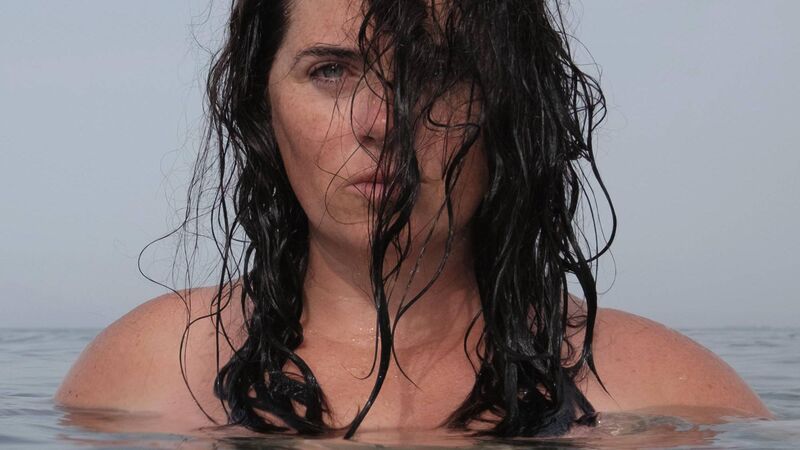
Claire Walsh: "You’ve got this, the sea whispers. Setting off with purpose, this is softer than concentration."
Underwater you don’t hear anything. Putting my face in the water is like a sigh of relief for my mind. Internal chatter, judgements and criticism fade to a white noise and the rhythmic anchor of my breathing through the snorkel lulls me into the welcomed quietness. Dancing in front of my eyes, beams of light extend 30 metres below me, showcasing a spectrum of silvers, blues and greens. She’s in a playful mood today, the sea.


To the uninitiated, freediving seems extreme at best and downright dangerous at worst. Often considered one of the most dangerous sports in the world, I’ve heard it being described as ‘basically scuba-diving but without the apparatus’. Looking at it that way, taking a deep breath and going down on just the air in your lungs, pulling down on a rope or swimming down as far as you can and then having to come all the way back up, it sounds utterly stressful and even panic-inducing. It doesn’t sound just dangerous but complete lunacy. There is a risk, but it’s a calculated risk. I know the rules; I am under the watchful eye of my coach, my safety diver. I’m attached to the line by my lanyard. I am doing all I can to keep myself safe.
- ‘Under Water: How Holding My Breath Taught Me To Live’ by Claire Walsh is published by Gill.