Pete the Vet: How vets use technology to diagnose illness in pets
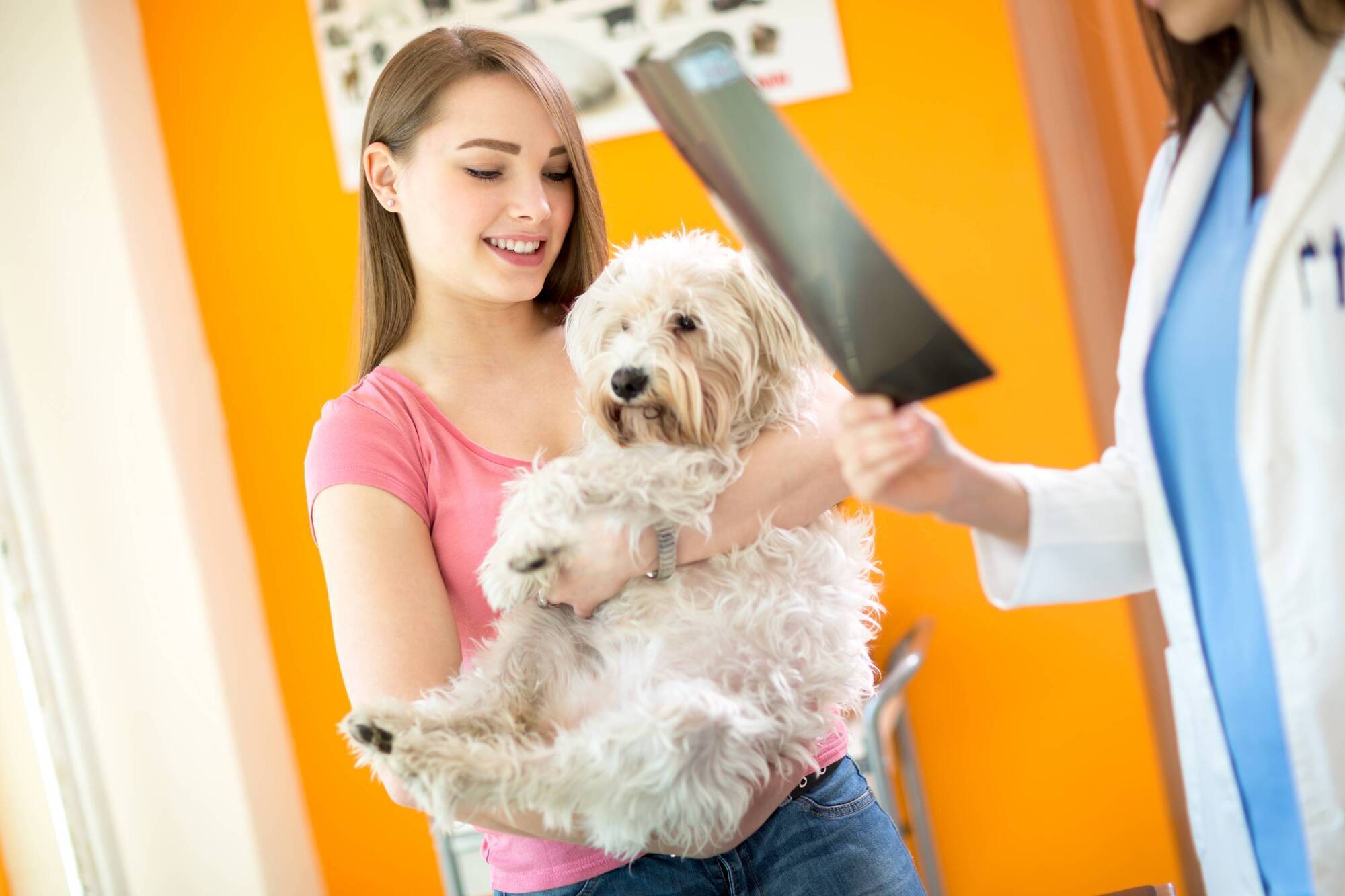
When compared to human medical services, vet clinics are often more like mini-hospitals than GP services.
Animals cannot tell us how they are feeling. When they are unwell, it can be difficult to work out what’s wrong with them. Do they have a headache? Do they feel dizzy? Do they feel pain somewhere in their body?
These questions cannot be answered. Vets need to depend on the observations of a pet’s owner, along with a careful physical examination of the animal to find out what’s going on. Sometimes this is enough to make a diagnosis, but often more evidence is needed before a conclusion can be reached. This means extra investigations, often using two main areas: laboratory tests (such as blood and urine samples) and diagnostic imaging (X-rays, ultrasound and advanced scans).


Read

Listen

Watch

Play
CONNECT WITH US TODAY



Be the first to know the latest news and updates




Lifestyle
Newsletter

Eat better, live well and stay inspired with the Irish Examiner’s food, health, entertainment, travel and lifestyle coverage. Delivered to your inbox every Friday morning.
Lifestyle
Newsletter
Eat better, live well and stay inspired with the Irish Examiner’s food, health, entertainment, travel and lifestyle coverage. Delivered to your inbox every Friday morning.