Irish Teacher: Does the school system shame neurodivergent children?
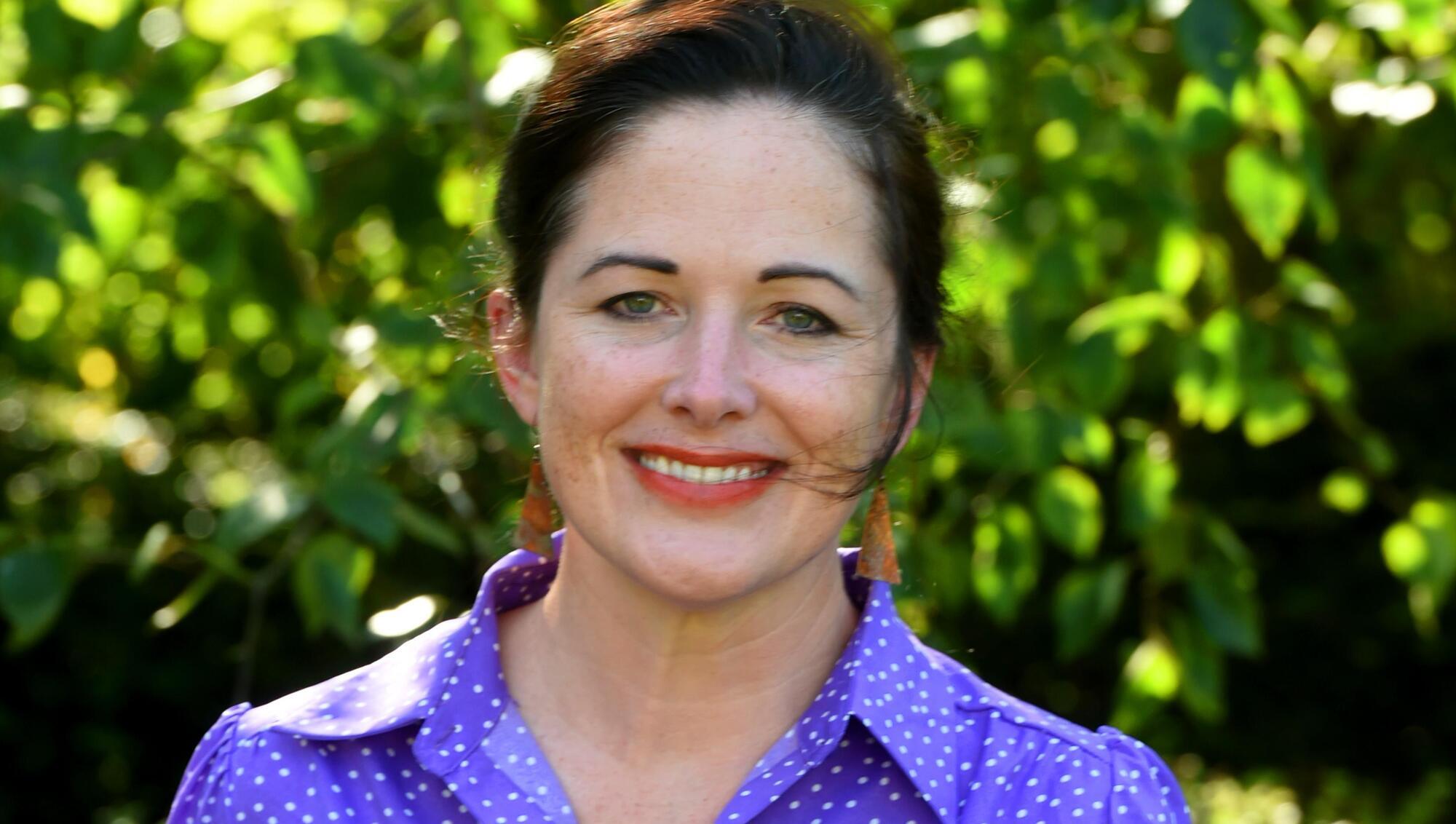
Jennifer Horgan: "On Fridays, when we read together, I tell them to sit anywhere they want. One child builds a small fort at the end of the classroom and squeezes beneath it." Pic: Larry Cummins
Certain responses to my article against the Burkes’ home-schooling were predictable. One irate reader accused me of being anti-religious. I’m not, but I am anti-indoctrination. What’s the difference? Well, teach a child to see the world one way without any critical thought and you indoctrinate them. This is why multicultural, multi-denominational education can’t ever be accused of indoctrination. At its core is an effort to listen to the beliefs of others, to understand, be kind, inclusive.
To avoid indoctrination, home-schooling should become more regulated.
One response was far more compelling however. It came from Anne, a mother of a child with additional needs who home-schools to protect her child from a system that continues to discriminate against the neurodiverse student.
Anne makes the point that not all children benefit from mainstream schooling. Her email tells her story:
“We withdrew him from primary school because we were losing him to shame. He had internalised the mistaken belief that he was stupid/defective because he was failing relative to his peers. Over the last three years of home-schooling and when cash flow allowed, we did all the assessments that were required to give him an understanding of how his brain works and to prepare him for a return to school and lifelong learning.”
Anne's son is not unique. She references recent research in her correspondence, identifying that around one in five children are on the dyslexic continuum and around 1 in 10 are on the ADHD continuum.
“You cannot talk about dyslexia or ADHD without first talking about shame. Shame is the feeling of humiliation that accompanies the belief that our troubles are caused by being defective. Shame is the most disturbing experience an individual can ever have about themselves.
I have learned so much from writing this column about how different children learn and I am a far better teacher for it. I have moved from a devotion to my subject towards a devotion to my students. I don’t care how a child sits in their chair. I never ask them to be still. I guide them towards ‘one voice’ but I do so gently, without shaming. On Fridays, when we read together, I tell them to sit anywhere they want. One child builds a small fort at the end of the classroom and squeezes beneath it.
I also believe in fostering a positive attitude to things they find difficult. I remind them that it’s an opportunity. I joke that if they knew everything, I’d be out of a job!
I’m human and therefore imperfect but I certainly try to avoid any kind of shaming in my classroom. Anne shares her understanding of why this is important.
“There are three possible outcomes for neurodiverse children who mistakenly internalise the belief they are stupid/defective. Firstly, the overachiever, the person who is determined to prove the system wrong; they believe that if they can get that degree, masters, PhD, position, or title that they will feel whole. But it never works. Nothing external to ourselves will ever make us feel enough – that must come from within. They often spend their whole lives looking over their shoulder expecting to be found out.
"Secondly, those who, because of the shame they have internalized, become incredibly careless with themselves with food, alcohol, gambling, or drugs. They often cause considerable pain to themselves and others. Figures from the US indicate that around 50% of prisoners are dyslexic and in Canada where they screen all prisoners for ADHD, 40% of prisoners have ADHD. Thirdly, there are the children who are lucky enough to have a person in their life, a parent, guardian, or teacher who refuses to let the child succumb to shame. Their outcomes are positive, but this is not guaranteed.”
Her conclusion:
“Our competitive primary school system affects the mental health of all our children, not just our neurodiverse children, as it pins the self-worth of neurotypical children, to things working out and succeeding. What is needed is a system in primary school that is non-competitive for all – where no child knows how any other child is doing and this is possible with modern technology.
"A system that uses UDL (universal design for learning) where information is presented in a variety of ways and assessed in a variety of ways. We need a validated dyslexia screening process for all 6-year-olds, an end to compulsory Irish in primary school, a focus on the empowerment of children and not remediation.”
I thank Anne for sharing her thoughts. There is a lot to consider. I’ll leave it with readers to do so.
CONNECT WITH US TODAY



Be the first to know the latest news and updates