On the hottest day of the year, Grace Adams finally boils over. Abandoning her car in gridlocked traffic — not unlike Michael Douglas in the 1993 film Falling Down, except it’s North London instead of Los Angeles, and there are golf clubs rather than guns — Grace sets off on foot on a Leopold Bloom-like odyssey across the north of the city. Her mission is to deliver a melting birthday cake to her sixteen-year-old daughter Lotte, who has moved in with her dad and is no longer speaking to her.
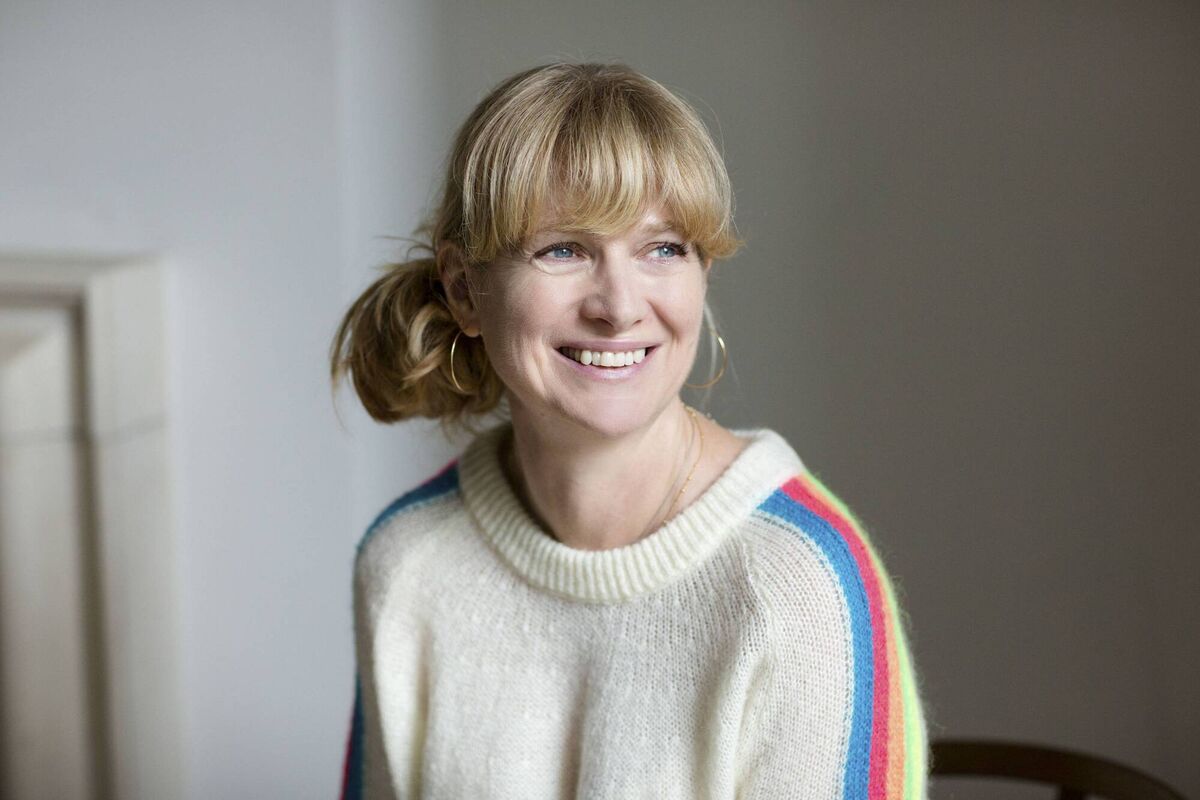
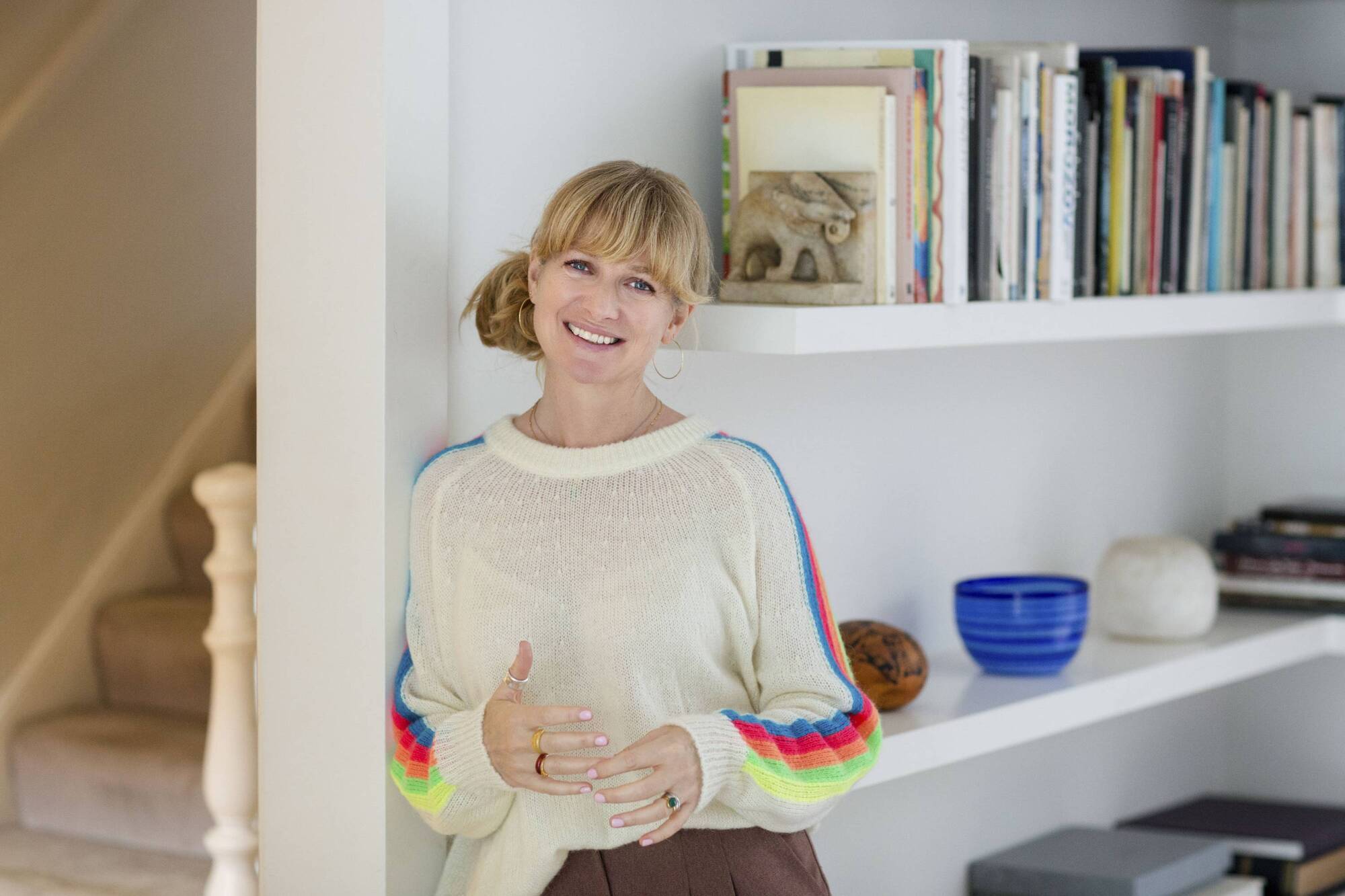
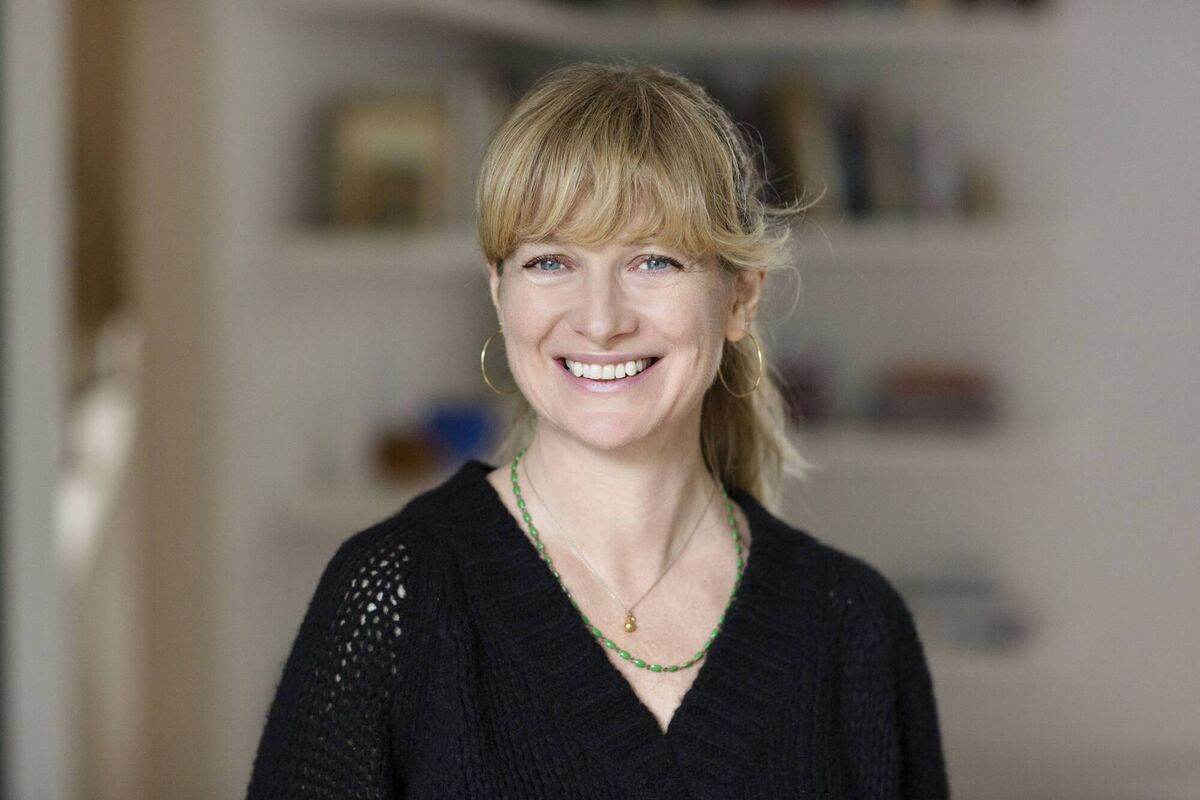
This is the premise for Amazing Grace Adams, a novel about a perimenopausal polyglot propelled by anguish, rage, determination, and love. It’s funny and relatable, written by former financial journalist Fran Littlewood, who recently turned 50, and who also lives in North London with not one but three teenage daughters, and her partner. TV rights for the book have already been optioned by the Mare of Easttown producer.
The representations in the novel reflect much of modern life — how menopause decimates women’s conditioned capacity to suck things up, how women are viewed by the patriarchy, the impact of digital life on teenage girls, and co-parenting after separation. They all get an outing, albeit with fizz, humour, and pace; this is not a dull, earnest read. Language features prominently — Grace’s superpower is that she is a linguist, a former Carol Vorderman of letters. Her other superpower is rage — when faced with the daily irritants of being a middle-aged woman, she fights back.
“Lots of women are saying they’re feeling seen by it, that it’s relatable, which is something you have no idea about when you’re sitting at the kitchen table writing it,” Fran Littlewood tells me over Zoom. “[Film director] Jane Campion talks about this notion that over the age of 40, women become invisible and unfuckable — I felt my starting point was to refute this.
“I was so sick of the lazy representations of women in midlife, I wanted to write about the women I knew as interesting, nuanced, ambitious, funny people that they actually are. I wanted to write something raw, not vanilla, not sanitised.”

What infuriates Littlewood — and the rest of us — is the double standard to which women are held. As well as being at the bottom of life’s U-bend during middle age — elderly parents, bereavement, dealing with teenagers while simultaneously navigating our own hormonal tsunamis, about which until very recently no-one ever spoke aloud — there is the weight of false societal pressure to carry it all off with aplomb. We are afforded little slack.
“Grace is 45 but she’s supposed to look 25,” says Littlewood. “She’s supposed to be a perfect mother, wife, friend, employee. It’s an impossible set up, yet we all feel like we are failing. So I think there’s this slow boil simmer of rage that we’re all living with. I loved the idea of
taking a perimenopausal woman and making her an action hero, and exploring parenthood and motherhood especially around teenagers.
“I wanted to look at womanhood at both ends of the spectrum and that awful clash of hormones. The teenage daughter is going through a complete rewiring of her brain and self, just as it happens in midlife to her mother. This rewiring in Grace heralds a return to a more authentic self, when you feel a bit more fuck-it about everything.”
In the past, menopause and puberty didn’t usually happen at the same time under the same roof — but as we now have our babies later, the cauldron of hormones often boils over in tandem. Littlewood writes with sensitivity about the difficulties faced by teenage girls navigating the romantic world for the first time (“You never forget your first heartbreak, how it consumes you and humiliates you and destroys you,” she says) and the sadness of emotional separation between parent and child that comes with adolescence.
“I wanted to explore loss,” she says. “Not just when they move out to go to university or whatever, but when they’re 13, 14, 15, and they grow away from you, and while it’s part of the process and you wouldn’t want it not to happen, it’s another kind of ambush. There’s a grief in losing a child to adulthood.” There is further, cataclysmic loss in the story, but no spoilers, obviously.
With her novel, Littlewood has joined the menopause fight-back generation, who thus far have generally been producing non-fiction about living with menopause — Mariella, Davina, Meg Mathews, etc. The character of Grace Adams takes the show on the road.
“It’s a day in the life of a woman,” says Littlewood. “So I had to include the micro aggressions through the lens of the crisis of violence against women and girls. The cat-calling, the sexual harassment, as a sociopolitical backdrop to women’s lives. It’s no wonder we have a low boiling rage all the time — yet you’re supposed to suck it up and smile, or you’re a crazy bitch.
“There’s been a real movement growing however, which I think should give us hope, makes us feel it’s possible to start a conversation, to try and create a shift as the taboo is being smashed. I feel that publicly, this is something new — but we have to keep it going, rather than saying, ‘right, we’ve done menopause, let’s move on’.”
We are very much still at the talking stage, rather than the systemic change stage. Littlewood recounts how she broke her arm in her mid-40s, but when she suggested to her (male) orthopaedic consultant that it was related to weakening bones in menopause, she was dismissed. Two years later she was diagnosed with osteopenia, a precursor to osteoporosis. “Everything I knew about my own body was dismissed out of hand,” she says. Never mind female midlife sexual invisibility, which can be a relief — it’s medical invisibility which is truly enraging: And we just live it with, and do it all with a smile.”

Another relatable aspect of the book is how co-parenting is presented as normal, as we become better at navigating post-separation child rearing; the ex not as villain, but as ally. But Littlewood thinks that despite this normalisation, “The narrative still remains that the guilt falls to the mother, in terms of the social conversation. The mother is still held to a higher standard. Even when things are becoming more even handed, there’s still that sense that anything a man might do as a parent is a bonus, whereas anything a woman does is seen as a given.”
But most relatable of all — aside from the overwhelming feelings of fuck-this — is the sense of helplessness as we watch our teenagers disappear down digital rabbit holes into worlds from which we are
permanently excluded. And while creating their own worlds is what teenagers are meant to do, it’s the digitisation of these worlds which cause alarm.
“We used to have the telly and the phone in the hallway,” says Littlewood. “Today, there all these devices to disappear with into their bedrooms. You have no control, and it can be terrifying — social comparison, 24 hour surveillance. I was interested in exploring the language of it all, because even though Grace is a linguist, she struggles to understand what these truncated phrases mean. Another thing is the algorithms — you might be searching for, say, a Japanese recipe, and then you’re onto food sites, then slimming sites, thinspiration sites.
“All of these teens are searching for their new identity and trying to find out who they are, while being manipulated by a toxic environment they have no control over. This era of parenting of extremely tough — we will look back on this period and be flabbergasted at how Wild West it is, how there is no legislation governing it.”
Littlewood believes the only way to negotiate this is to get your own message in, to educate and inform, and “they’ll come out the other side — that’s the bedrock”. As the mummy brain detaches, we may be able to step back and focus more not on needs of others, but those of ourselves. Meanwhile, slap on a HRT patch and try not to kill anyone.
- Amazing Grace Adams is published by Penguin

Subscribe to access all of the Irish Examiner.
Try unlimited access from only €1.50 a week
Already a subscriber? Sign in
CONNECT WITH US TODAY
Be the first to know the latest news and updates