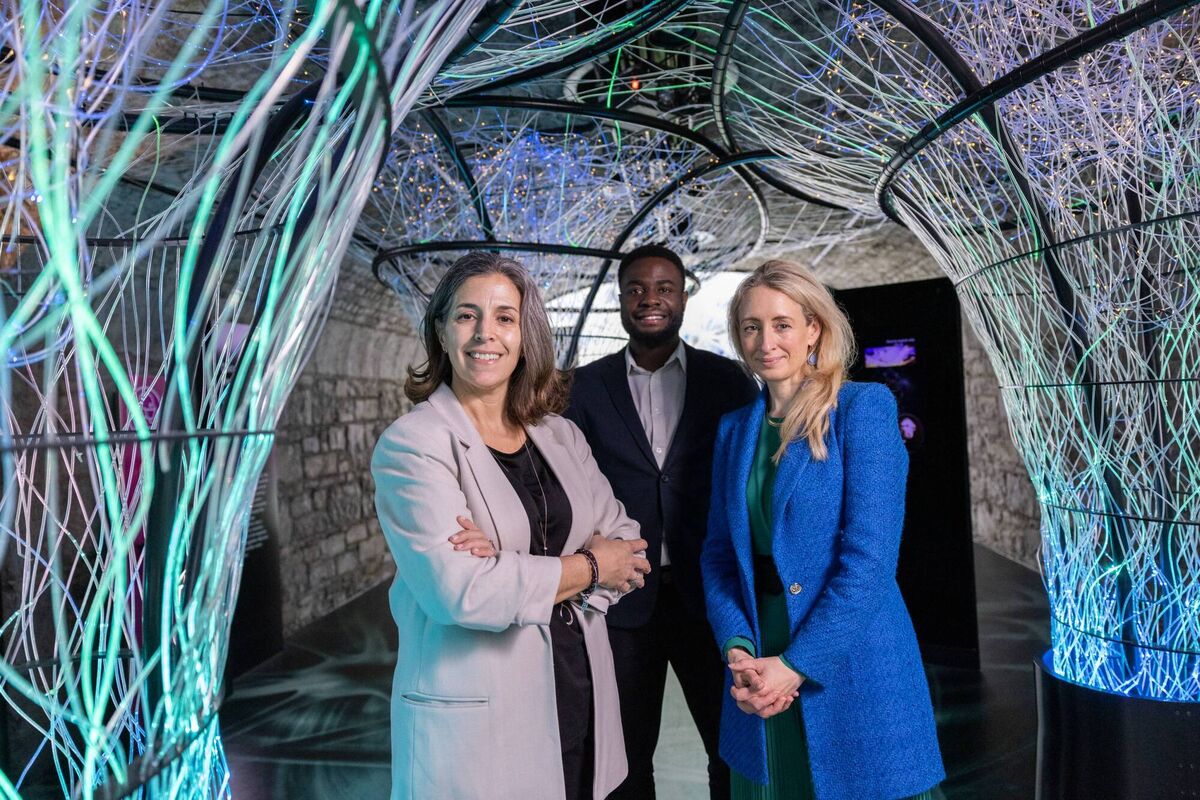
SCI:COM, Irelandâs largest Science Communication event returns on December 7 at Dublinâs Aviva Stadium, the first in-person event in two years. Now in its seventh year, SCI:COM will explore how we ârepresentâ in science communication through inspiring talks, workshops, and guest speakers. Building on the success of previous years, organiser Jonathan McCrea said, âWe have an incredible roster of speakers and breakout sessions to look forward to on the day, bringing like-minded people together with fresh perspectives to challenge our theme, and more.â
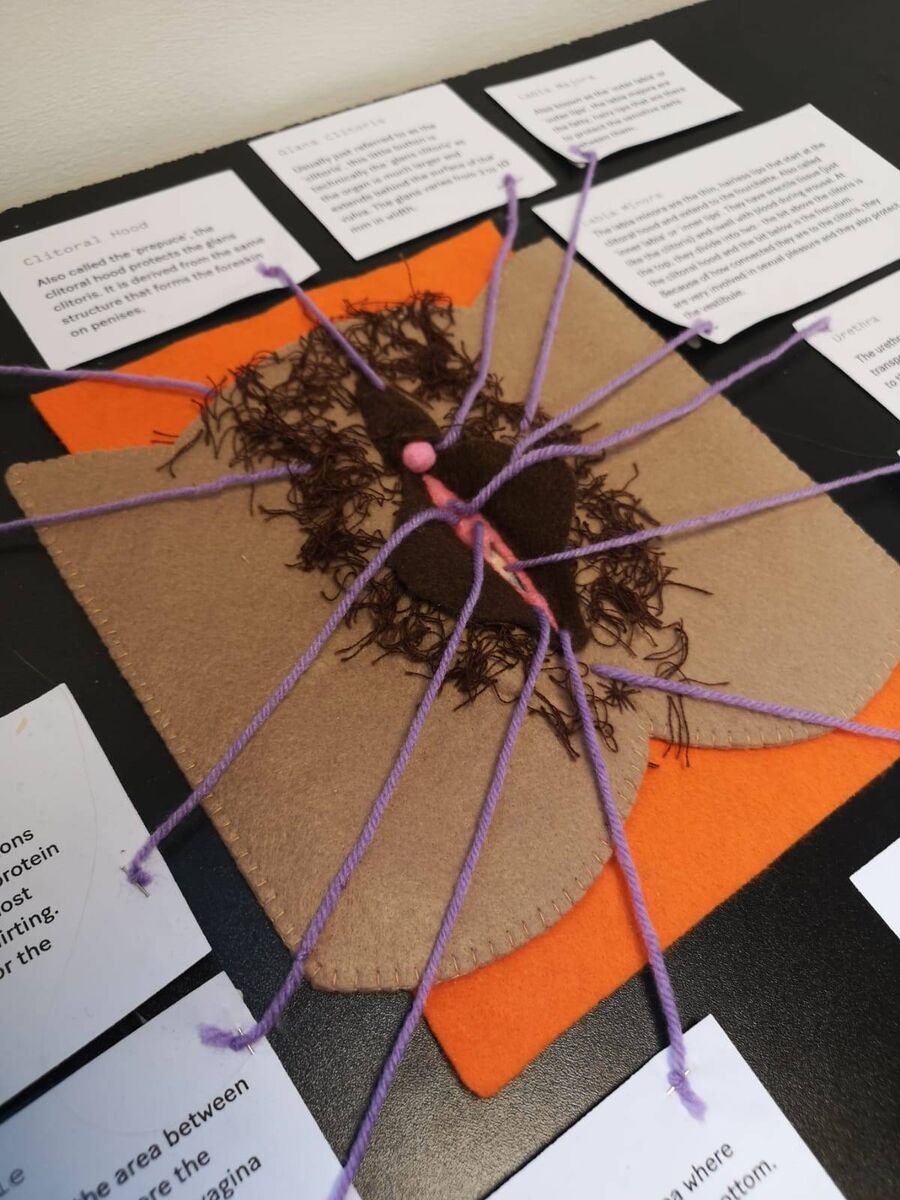
This year the keynote speaker is Florence Schechter, founder of the Vagina Museum. Schechter started the original project in 2017 to build the worldâs first bricks and mortar museum dedicated to the gynecological anatomy. Her background is in science communication, and she came highly commended in the Women of the Future Awards in 2017 in the arts and culture category for her work and received the Pioneer of the Year award from the Sexual Freedom Awards in 2019. Schechter was nominated for Rising Star of the Year by DIVA in 2020.
Schechter has encouraged and enlightened audiences through open conversations about the science and culture offered by the museum and in debunking the myths that heavily surround gynecological anatomy.
âI think people know that they need the sort of science that we offer,â says Schechter. âThereâs an acknowledgement of the fact that there is so much that we donât know about our bodies. Itâs bleeding once a month and you probably use it very often for sex and for childbearing sometimes. Weâre using it a lot and yes, there is so much we donât know, particularly when people are getting pregnant and they learn all this stuff about pregnancy for the first time and theyâre thinking, why did no one ever tell us any of this?
âThen thereâs learning about fertility and using different types of contraception. We are asked so many questions about contraception because people say to us, I donât know anything about this. I think people are actually very aware of how little we know about our bodies. And so, when they see the Vagina Museum, itâs such a sigh of relief to people because they finally have a trustworthy, inclusive, friendly space where they can ask questions.â
The difficulty in informing an audience using science and research is often thwarted by the cultural expectations and misconceptions that can obstruct our vision of ourselves, physically and mentally. The Vagina Museum aims to dispel the myths that have long been institutionalised.
âSociety tells us that our bodies are dirty,â says Schechter, âthat they should be hidden away. And that has a massive impact, not just on our body confidence, and generally how we feel about ourselves, but it also makes us less likely to go to the doctor. It makes us less confident when it comes to sex. It makes us less able to take control of our health and the decisions that weâre making.
âAnd thatâs a big part of what weâre trying to undo and to give a new cultural narrative that the vulva is actually something to be celebrated.â Science communicators have a dual task on their hands as they battle the misinformation that abounds but also delve deep into the research that is available and push for that which is much needed.

For Schechter, whose debut book, V: An empowering celebration of the vulva and vagina is being published by Penguin in March 2023, she is aware that there is still a lot of science that hasnât been done yet that we donât have access to because it literally doesnât exist.
âThere are such huge gaps in science and particularly in health research when it comes to the gynecological anatomy,â she says.
âWe still donât know what causes endometriosis. We barely know what causes any gynecological conditions. We donât have access to it because a lot of the time the research just doesnât exist. For the information that does exist, thereâs so much misinformation out there. It is so hard to tell what is accurate. We can make things on the internet look so professional without having the credentials to back it up.â
For professionals to communicate the right information to the right audiences there is so much more that needs to be done not only from a scientific point of view but also a cultural one.
âWe need better fact checking in mainstream media,â says Schechter. âAnd also, we need better research and better funding so that we have the right information to communicate.â Schechter also highlights that the sexism, prejudice, and discrimination in society needs to be heavily addressed.
âWe need to get rid of the massive misogyny and other structural oppressions within the research community,â she says, âlike the leaky pipeline and the huge amounts of unreported sexual assault. There are so many barriers to the people doing the science as well as the science itself.â

Encouraging audiences as well as science communicators to think outside of the box is essential to our understanding and education. Schechter tells us to be curious.
âQuestion the assumptions about what you know,â she says. âSociety gives us so many bad messages where weâre told that things that are normal are actually dirty, and things that are not normal are actually fine. And so, people go their whole lives without seeking help when they should or worrying about things when they donât have to worry about them.
âFor example, it takes an average of seven and a half years to get a diagnosis of endometriosis, but weâre told that periods are supposed to be really painful. And so, when periods are so painful and a person canât go to school or get out of bed, we donât question that. And when they go to the doctor, even the doctor dismisses the pain.
âSo, we need to challenge the assumptions that we have about our body and find out what the real answer is because the thing youâre worried about may actually be completely fine, and whatâs causing you distress but that you think is normal, may be something you need help for.â
Schechter has consistently been conscious of the overall them of this yearâs SCI:COM which is isâRepresentâ. The agenda sets to explore how we represent in science communications in a variety of interactive talks and breakout sessions.
Other key speakers at this yearâs event include Dr David McKeown, Assistant Professor at UCD and Engineering Manager for the EIRSAY-1, a project to build Irelandâs first satellite, Hazel Chu, Green Party Councillor and former Mayor of Dublin and Patrick Freyne, Journalist with the Irish Times and author.
- SCI:COM is proudly supported by Science Foundation Ireland as well as other organisations in the science communication community, including Pfizer.
CONNECT WITH US TODAY
Be the first to know the latest news and updates