Niamh Ennis: I became known as the girl who lost everything. I worried I was milking it
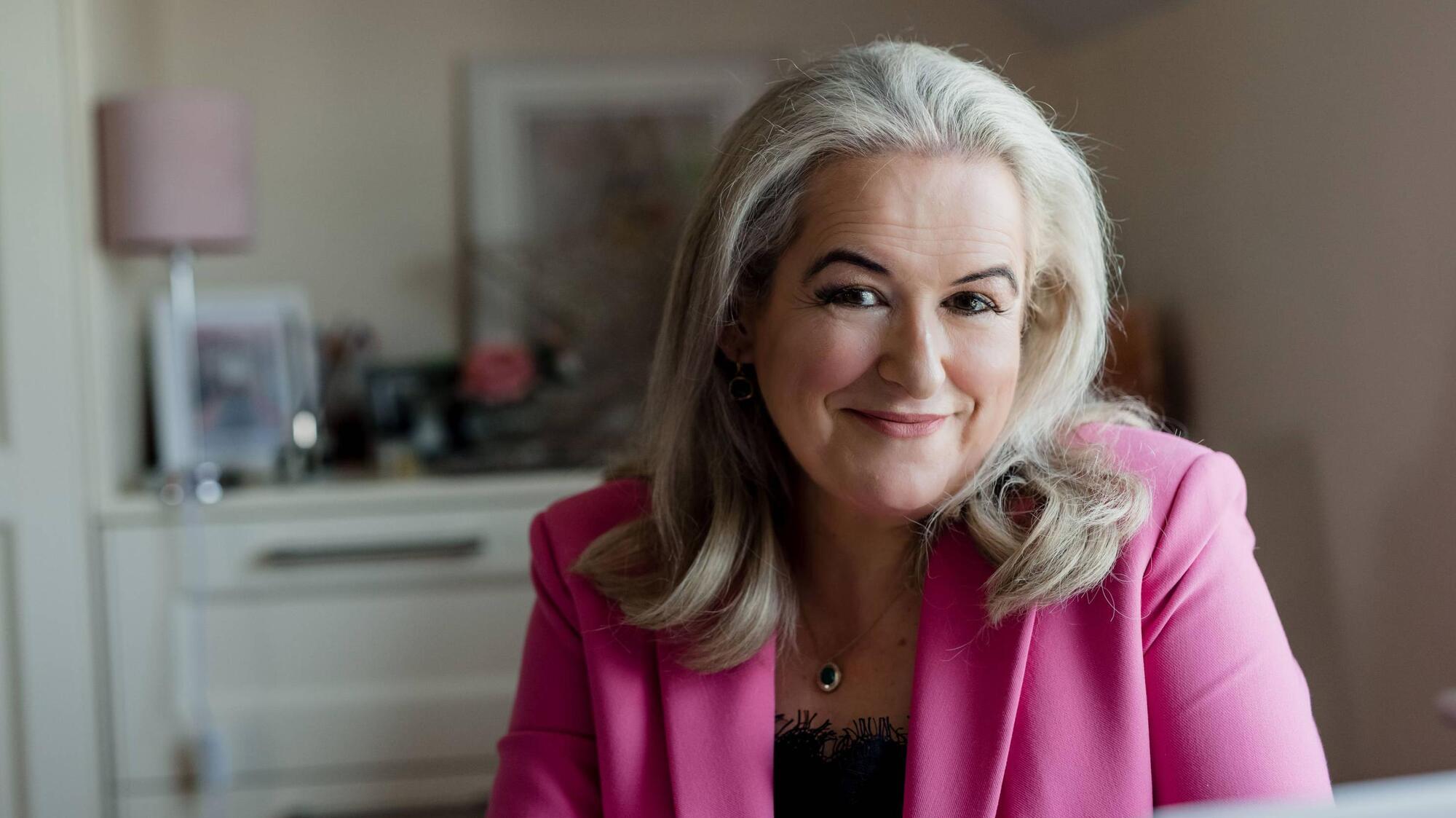
Niamh Ennis, author of Unstuck
“How lucky was I?” Niamh Ennis says in the closing minutes of our interview. She’s looking back at the presence of three dearly-loved people in her life, thinking how lucky she was to have had them.
From a vantage point of 17 years, she’s remembering Tony, the fiancé she lost to pancreatic cancer just six months before their wedding.
“It’s 17 years ago this very week. He died on the Friday of this week,” she tells me on an early November evening.
“Everybody says the first anniversary is the hardest. I would say every anniversary is… it’s strange... It makes no difference how long a period goes by.
“I can hardly remember what I had for breakfast this morning but I will always remember what the doctor said to me on the Tuesday before Tony died.”
The Longford woman, a transformation coach and writer, believes this is because when you go through a traumatic event, you remember the detail.
“You get very locked in the detail.”
She and Tony had been an item for 10 years.
“We were a great team, a great partnership from the beginning. I’m not a big believer that you know right at the start this is ‘the one’. For us, it was more gradual – I knew over time this one’s a keeper.”
In her late 30s when Tony died – he’d been diagnosed with cancer just nine days earlier – Ennis knew her life was “going to go down a very different path”. She subsequently met and married her current partner, but back then, she says: “All the things a girl plans in her 30s – getting married, having a family, buying a house… I was mourning him, but I was also mourning the loss of all that, of the future.”
Her dad David’s presence she feels around her “an awful lot when I need a bit of guidance”. He died five months after Tony.
“He’d been my rock all through my life, my constant. You expect someone to be always there… suddenly he wasn’t.
“And because it happened when I was particularly vulnerable, I felt it even more intensely.”
In April 2006, having lost the two most important men in her life, Ennis and her mum, Marie, found a commonality in their experience that sustained them. Their relationship had been “traditional mother-and-daughter”, she recalls. “We had a very lively relationship. We expressed ourselves a lot through argument.
“Then Dad died and here we were – within months both of us had lost our partners. It brought us very close together. We leaned on each other for the next number of years.”
When Marie died in 2013, Ennis felt “there’s nobody left to go – she was all I had and she was gone”.
Her first book, is out now. And it is not a book about grief. It’s for anyone who has experienced disruptive events – divorce, illness, financial troubles, redundancy, crisis of confidence – and who wants to get beyond the trauma.
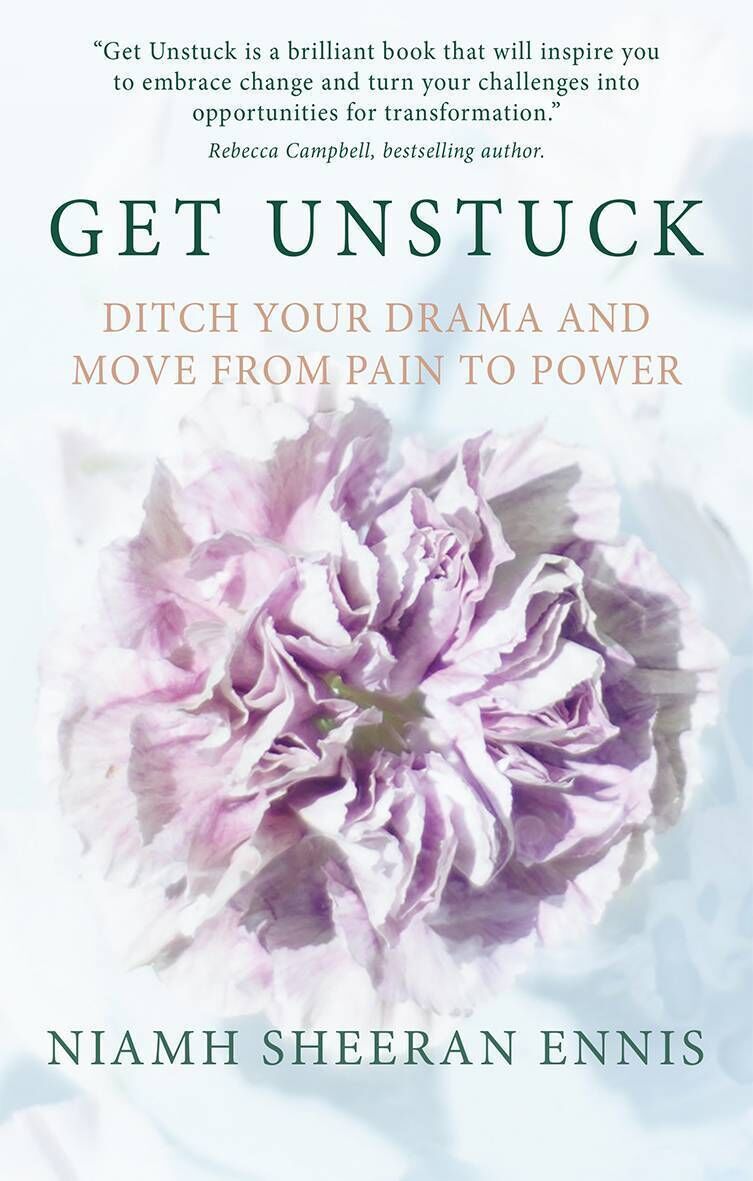
In grappling with grief, Ennis learned tools and insights that helped her to a place of acceptance and to move forward again. In Get Unstuck, she combines real-life experience with expertise built up over her past decade as a qualified coach to suggest how to let go of grief, re-orient and move towards a better future. The client case studies she reproduces in the book have healed from life-changing events like separation, miscarriage, unhappy careers, betrayal, breakdown in family relationships.
Ennis admits she didn’t know how to grieve when she lost her fiancé and parents. Instead, she went on autopilot for between three and five years.
“In the immediate aftermath of all three bereavements, I just got on with stuff. I went into organisation/planning mode, keeping-the-show-on-the-road mode. I didn’t stop, reflect on what had happened.
“After Tony died, Dad got sick. After he died, I felt responsibility to look after Mum. After she went I had nobody to look after. I didn’t deal with the grief. I kept going like that for a few years.”
Now she knows it would have served her better “to sit with the grief, stop resisting feeling sad, allow myself go through the process of feeling angry, pissed off, feel all the sadness I tried to fight”.
Finding a bereavement counsellor, “who I really connected with”, helped Ennis put the pieces back together. But it hit her that something was keeping her stuck.
Ennis believes we all live our lives from stories that aren’t always our own – and that these stop us becoming our more authentic selves.
“I had let the story around me become ‘the girl who, everybody belonging to her died’. I leaned into that. Everything I did came from that place. Very often we create stories we think are protecting us – but they’re holding us back.”
She recalls a client, deeply unhappy in various areas of her life, who’d lost her mother the previous year.
“Because it was her mother, she believed this [death of a parent] was ‘a normal thing that happens to people and I just need to get on with life’.
“But when we don’t process something, problems emerge in other areas of our life,” observes Ennis, who says part of getting unstuck for this client was about acknowledging she’d had a difficult relationship with her mother.
“She felt it didn’t entitle her to grieve the way she saw other people grieve.”
One of the most compelling insights captured in Ennis’s book, in nine words, is this: ‘You are never abandoned – you only ever abandon yourself’.
She recalls a client, discontented with her life and envious of friends who were “doing great things”.
“She’d grown up with a brother with special needs. So much parental attention went to him that she felt she needed to play it small, not draw attention to herself. She felt she didn’t deserve to say ‘look at me’.
"The story we pick up as a child can dictate the adult we become. She’d held herself back. Once she saw it, it gave her permission to go after what she wanted.”
For anyone grieving and at a stage where they’re looking for some direction, Niamh says: “Show yourself compassion, sit with the feelings – give yourself time and space to feel the emotions. Keep talking to people you trust. If you feel you don’t want to keep burdening them with a constant wish to share, find a professional who understands how to guide you.
“Avoid looking to return to the person you were before your loved one died – that person has gone. And when you hear yourself laugh for the first time after your loss, let yourself. When you start feeling better in yourself, go with that.”
Thinking of Tony and her parents now, Ennis finds the good memories have come back, taken over from the sad.
“It makes me feel how lucky I was to have had them in my life.”
- Get Unstuck by Niamh Ennis, €19.75, is in selected bookshops and at niamhennis.com.
CONNECT WITH US TODAY



Be the first to know the latest news and updates