Pete the Vet: Want to be a vet? Here's what you need to know
"You may not think about your vet as being a scientist, and we don’t wear white coats or goggles, but there’s no doubt that vets really are scientists in action."
This is Science Week, a week-long event held in Ireland each November, celebrating science in our everyday lives. Many people contribute to this, including industry, colleges, schools, libraries, teachers, researchers and students across Ireland. I’m taking part myself this year, giving a talk in Tullamore about something I’m passionate about: the science behind my job.
The work of a vet really is science in action. The focus on science starts in secondary school: if you want to get into a veterinary course, you need to shine in as many science topics as possible. You’re expected to get top grades in physics, chemistry, biology and maths. There’s no time for arts type subjects such as English, history or languages. In your mind, you are a scientist from then on.
Vet students go on to spend five years learning about the processes of animal life and disease, then the way that treatments (medicine and surgery) can be used to improve animals’ lives. This is all backed up by science: every chapter in every text book includes lists of references to research papers. Vet students have to complete modules on science-linked topics such as genetics, immunology and statistics, as well as reading and writing scientific papers. Visits to the library to review the primary sources of knowledge are an integral part of studying for a veterinary degree.
Then once you have qualified as a vet, there’s a lifelong commitment to keeping up to date with scientific advances. Vets are obliged to complete twenty hours a year of Continuing Veterinary Education (CVE) to ensure that they maintain current knowledge. While this may sound burdensome, there’s a joy in learning new information. When I return to work after attending an educational course, I feel more enthusiastic than ever. I find myself looking forward to the next challenging case so that I can put my new-found knowledge into action. An itchy dog? Yes please! A cat with gum disease? Let me at it! New treatments often have significantly improved effects, and it’s rewarding to put them into practice.
Vets are trained in “evidence-based medicine”, which is a method of assessing the value of a source of information. There’s a well-known “pyramid” of value allotted to the different sources of information: the higher up the pyramid you go, the better quality the information, and the more it can be trusted as scientific evidence.
The base level, at the bottom of the pyramid, is general widely-known information (for example, textbooks), expert opinions and anecdotal reports: this is often seen as “truth” by our society, but the reality is that it can be highly influenced by beliefs, opinions, and even politics. There are many examples of how this can drift away from science in the vet world: for example, old-fashioned treatments for upset digestive systems such as kaolin were recommended in books and by experts for many years, despite there being no good evidence to support them.
The next level of the pyramid is case reports (for example, dogs with ruptured cruciate ligaments). These may report successful treatments in a number of cases, but they are limited in that there tend to be small numbers of participants, with few measures in place to account for bias caused by different factors. Nonetheless, series of case reports have played a key role in the veterinary world in areas such as devising new and better surgical techniques to repair orthopaedic problems in dogs and cats.
Cohort studies are the next level up on the pyramid: these follow a large group of animals over a long time, to see how they’re affected by a variable (for example cats exposed to passive smoking, or dogs being fed a specific diet). One group may be compared with another group that is not affected by the same variable (for example, not exposed to smoke, not fed a particular diet). The challenge with these studies is that they are not randomised and not blinded (the researchers know which group is getting which variable), so they are prone to bias.
The Randomized Control Trial (RCT) is a better design for a study when investigating new treatments: one group of animals receives the intervention under investigation while the other, randomly selected, group receives no treatment, a placebo, or a standard intervention. This makes it easier to assess any benefit than a simple series of cases. However, bias is still possible, which is why the “Double Blinded Randomized Control Trial” is used, where the researchers don’t know which group the patients belong to.
To move on to the top of the evidence pyramid, there are systematic reviews and meta-analysis, where multiple trials and studies are combined and assessed, using complex statistics to reach conclusions about the value of a new type of treatment.
In the ideal world, all veterinary interventions would be backed up by evidence from the top of this pyramid. The reality is that this rarely happens: even for human medicine, it’s too expensive and complicated to get all of these studies done and analysed. In the veterinary world, resources are even more limited, so we tend to manage with a lower quality of evidence.
This science-based education is helpful to vets when choosing effective treatments, and it also helps us identify suggested treatments which are not supported by good evidence. This is why most vets are skeptical about alternative therapies such as homeopathy, herbalism, unusual diets, and a range of other approaches which may be popularised on the internet. If there isn’t good evidence for their beneficial effects, it’s difficult for vets to recommend them.
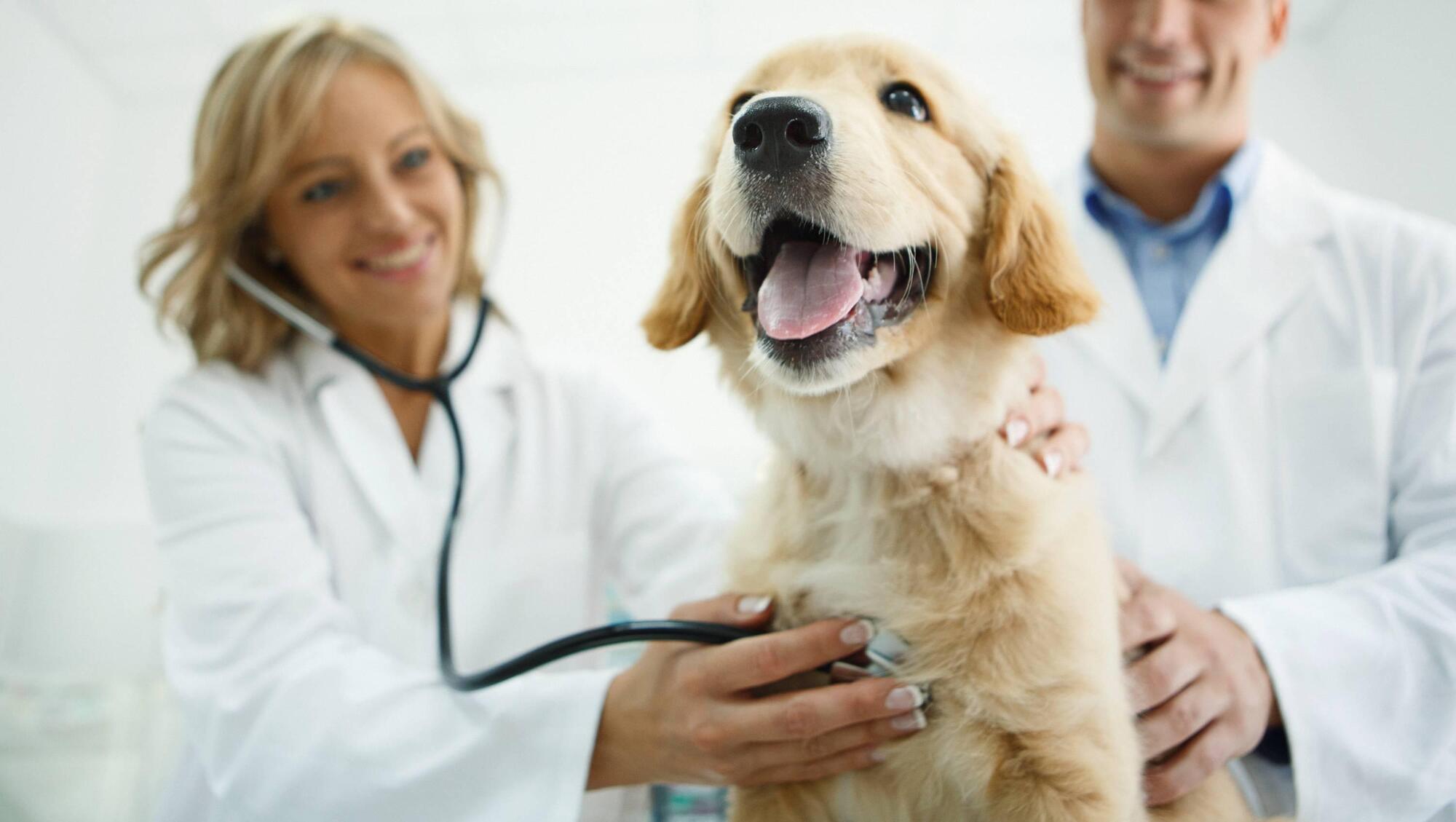
You may not think about your vet as being a scientist, and we don’t wear white coats or goggles, but there’s no doubt that vets really are scientists in action.
- “Fully Vetted: the science of cats and dogs with Pete the Vet” is taking place in Tullamore on November 15at 7:30pm. Tickets are free from https://www.eventbrite.ie.
- The event is part of the Midlands Science Festival, supported by Science Foundation Ireland and this event is in association with Zoetis.
http
- https://www.midlandsscience.ie/


CONNECT WITH US TODAY



Be the first to know the latest news and updates