If I was given the option of sitting my Leaving Certificate again or driving behind a slurry truck for the rest of my life, I’d grab my car keys. The tears, stress, and learning how to write an insurance letter in French are all part of the magic of State exams I never want to revisit. But when compared to the pandemic experience of secondary and third-level students since March 2020, I wouldn’t want to swap places.
On top of standard academic worries, they’ve also had to contend with remote learning and the fracturing of friend groups at a time when friendships are everything. Making the transition to third level is a rite of passage that means more freedom and discovery. But having to negotiate these years post the Me Too movement, cancel culture, and unending social media surveillance, I wondered if the allure of college life is still all it’s cracked up to be.
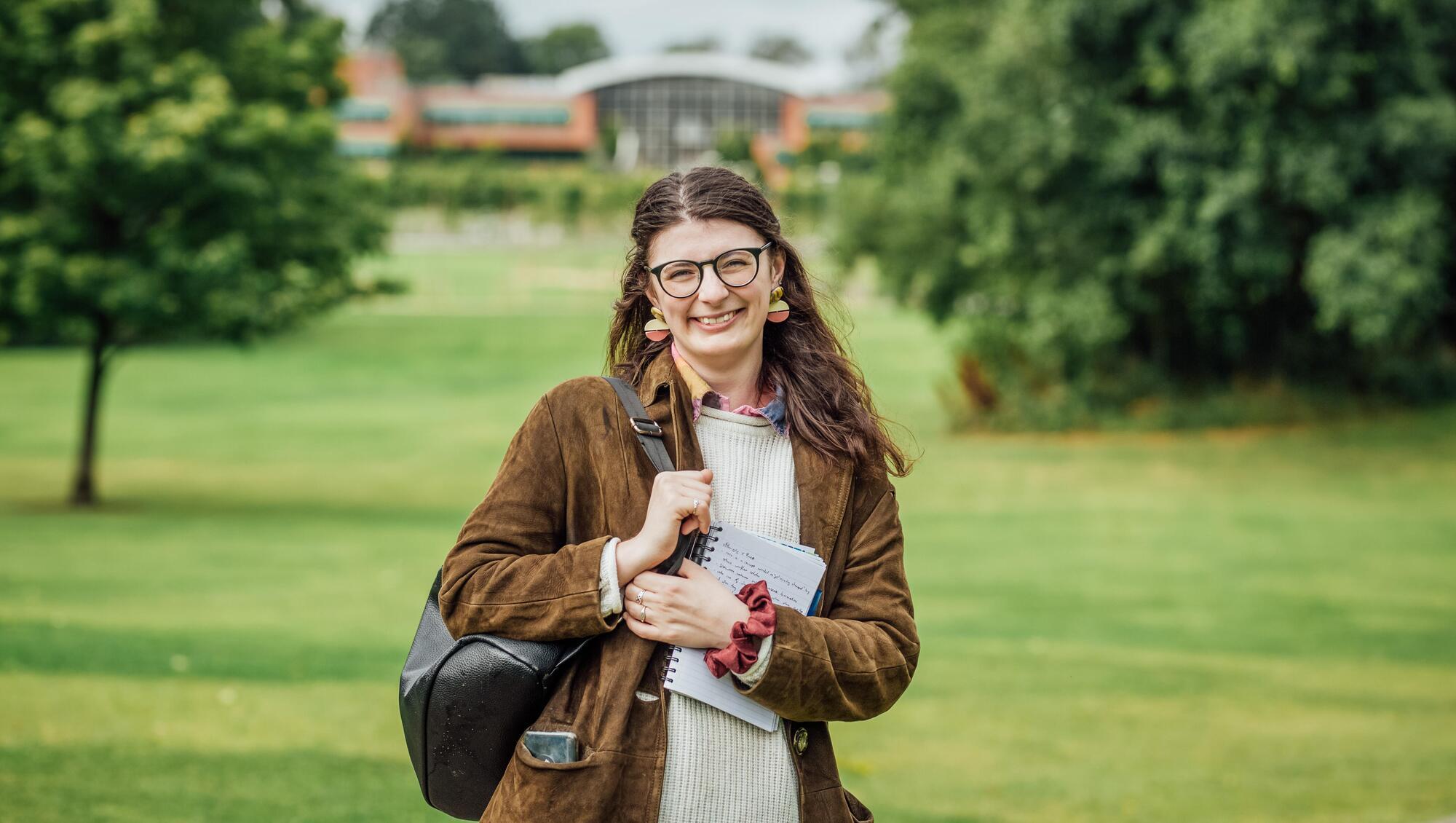
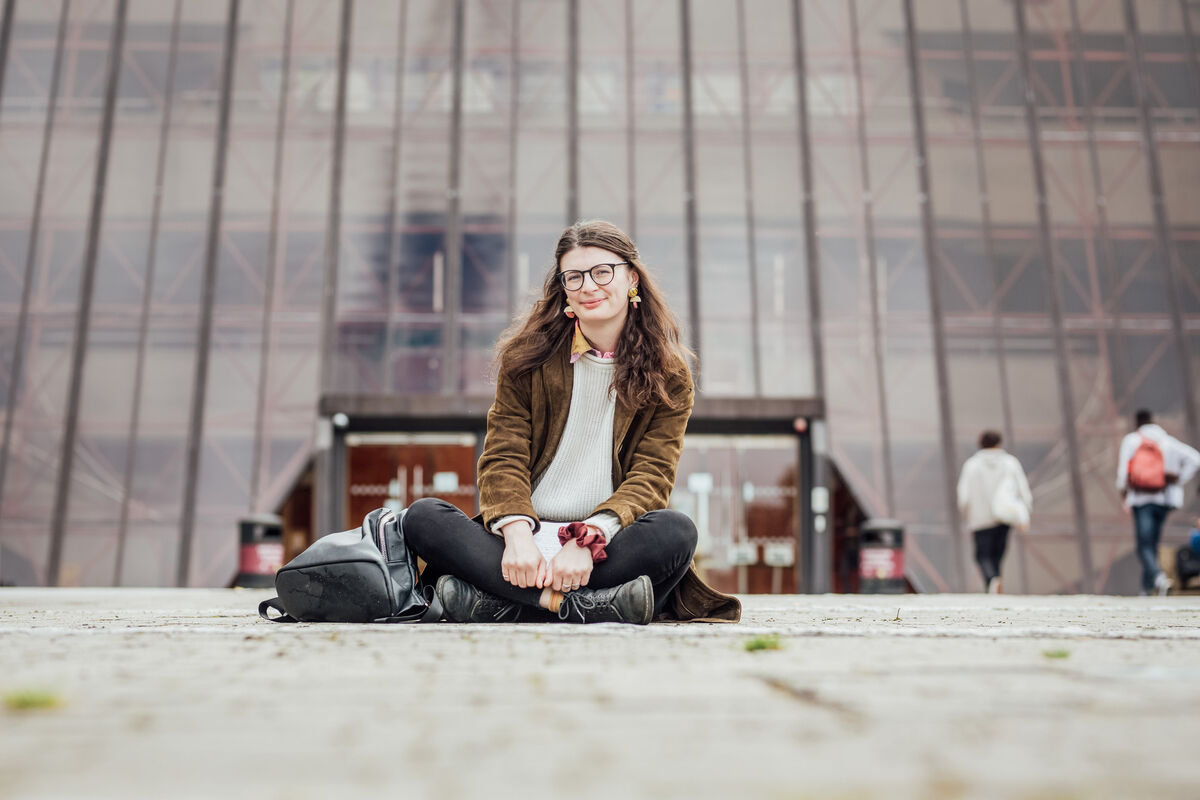
Sophie Darcy (18) is from Dundrum in Dublin and went to St Kilian’s in Clonskeagh. She hopes to study English and creative writing in UCD. She was in fourth year when Covid struck in March 2020 and like all of us, expected life to resume as normal a couple of weeks later. Aside from the immediate disruption to classes, the instant separation from friends was very hard, especially for Sophie, who doesn’t have any social media.
“I’m not really a very digital person at all, and I’m probably one in a million for young people. But it was very difficult. I’d say my friend group definitely survived the experience and I think we got stronger because ultimately it was something to bond over, but it was just still very isolating at the time.”
After the stress of her Leaving Cert, inflated grades and adaptations to the exams, Sophie is keen to pursue her academic dreams but knows that the college years are not only about work and study. She is equally as excited about the social side of things.

“I know there’s going to be so many clubs and it’s a great opportunity to meet new people and try out so many new things.” Contrary to a lot of her peer group, Sophie’s social life will not revolve around alcohol and drugs though she understands she’s an exception.
“For an awful lot of people my age, I would say drinking is a large element of socialising and to be honest… recreational drug use as well. I have a close friend group who aren’t that interested in drinking. And I’m not someone who feels like they need a few drinks to go into a social setting.”
Sophie’s attitude to alcohol and other drugs certainly doesn’t fit into the stereotype of college students' past. Another aspect of college life that differs from previous generations, is the idea of “cancel culture”. I asked Sophie if saying or doing the wrong thing is something she thinks about.
“I think fear of everything in your life being published and you being quoted on it is very real. And the anxiety around making a mistake that’s basically un-erasable and alive forever, is huge to young people.”
However, she believes, that cancel culture as we understand it today won’t be as cut and dry in the future. “I think the way the world is going to move, particularly when my generation gets older, is that it’s just going to be the norm, that people are going to have good moments, bad moments, happy moments, sad moments… so it’s not going to be as shocking. I don’t think people will be judged as harshly.”
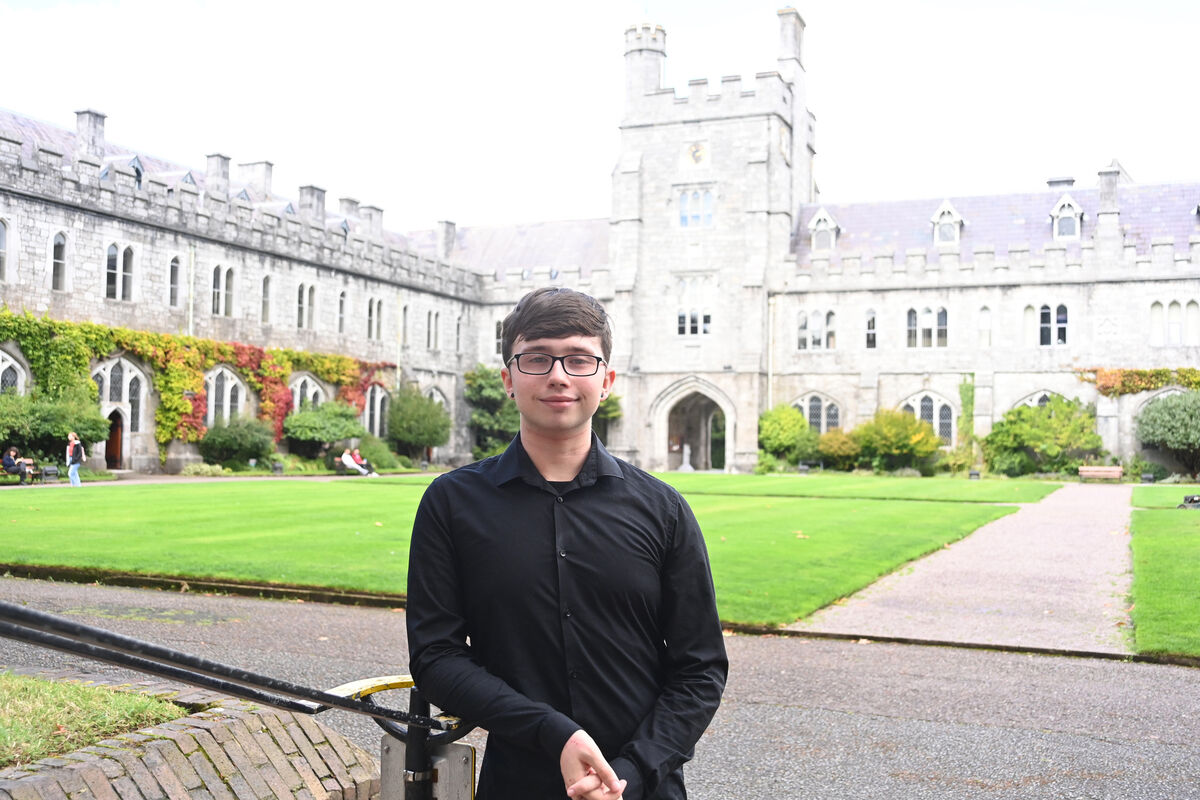
John Moriarty (20) from Bruff in Co Limerick will be entering his second year of chemistry and forensic science at UCC later this month. John went to secondary school in St John the Baptist in Hospital and was in fifth year when the pandemic began. It has been a long and winding road to get to what will be his first “normal” year of college. Unlike Sophie, whose circle of friends remained strong, for John, a lot of his friendships didn’t survive the pressure of the last few years.

“When I went into college, I made a new circle of friends. I do think being locked away had an impact, because I know myself, I didn’t really see many of my friends outside of school for the majority of sixth year. I just wasn’t able to.”
The pandemic reared its head in other less-obvious ways. In past years, older students would show incoming freshers the ropes — the important stuff like where the bar is, for example— but for John, there was no one there to teach them where to go and what to do.
“We didn’t know what to expect, because nobody knew what was happening.” Still, John’s enthusiasm for college life hasn’t been dampened. Conversations around consent and the Me Too movement don’t phase students, and they both feel informed on the issues.
“I don’t think it’s affected the student life as a whole too much. For a lot of people, it’s something that they need to be aware of, but it isn’t an existing problem for the majority.”
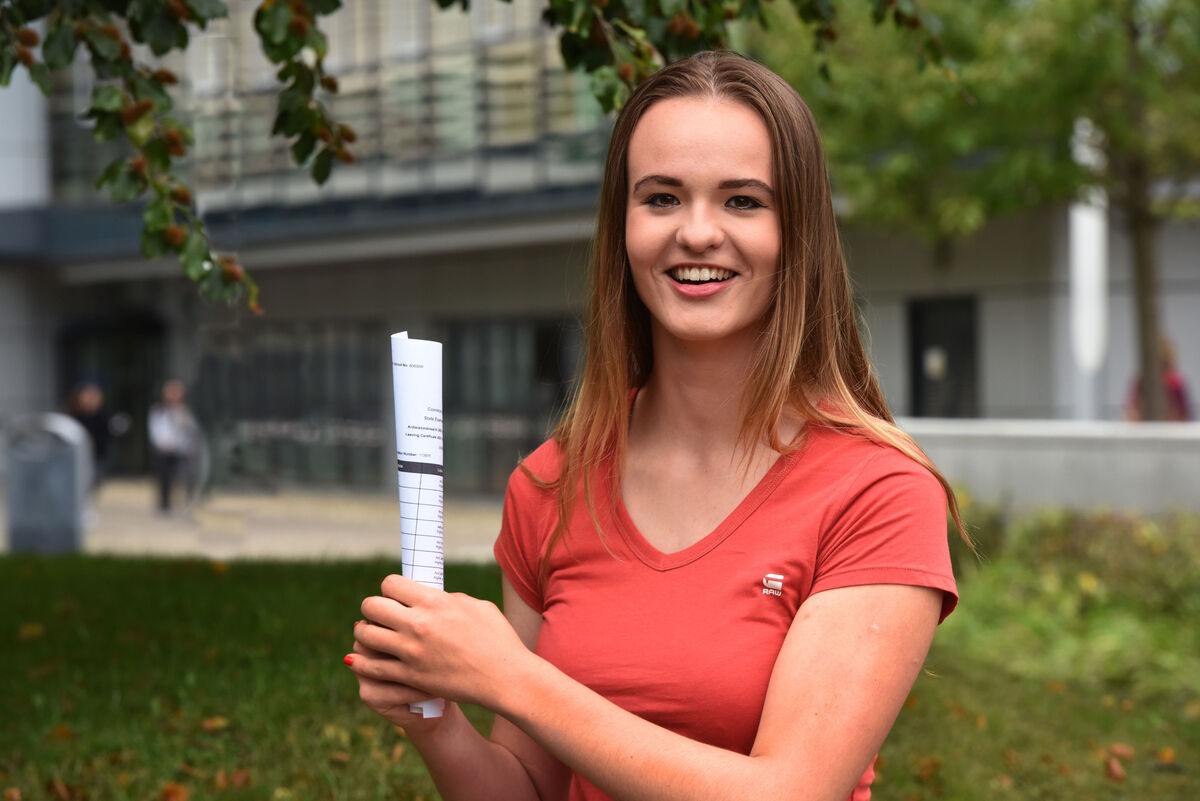
Mature student Ellen Gough from Garryowen in Limerick City is going into her fourth year studying journalism in UL.
“I’m going to be 30 in February, so I’m the oldest person on my course, which is kind of fun, but they’re a really great bunch of people on my course. I don’t feel very separate from them.”
One major difference Ellen has noticed about her younger classmates is how they talk about relationships.

“They have really great ideas, like notions around consent, how to treat women. And it’s like, God, I’d loved it if like, lads that I knew when I was 18 were like that.” She draws the line at TikTok however, her classmates’ app of choice.
“I’m like, ‘No, just leave me out of that'. I’ll see everything that’s big on Tiktok [in] a month’s time on Instagram reels.”
Even though Ellen is heading into her final year at UL, she’s almost as green as freshers coming in, in terms of knowing the lay of the land.
“We only had a semester and a half together and then the pandemic hit. So this morning was like my first class back and it’s like ‘Oh, hello everyone I haven’t seen in like a year and a half, most of you.’ This is my first day at UL and it’s my first day of fourth year. It’s been a very strange one.”
In spite of everything they’ve been through, the feeling I got from Sophie, Ellen, and John was one of optimism and energy. They are all keen to soak in their time at third level and to enjoy all it has to offer. Sophie summed up their collective spirit best: “Honestly, I’m probably more than ready for college. I’ve been waiting for this. I’m in a position where I knew what I wanted to do in fourth year. And I’ve been working towards it ever since. So I just can’t wait. I’m ready to go!”
Let’s hope the road ahead of them is clear and bright with not a slurry truck to be seen.
Wise advice
Assistant production editor, Emily Crowley is originally from Kerry but chose to head north on the M8 to Dublin where she studied journalism in DCU from 2014 to 2017. She told me that if she could go back in time, she knows what she’d say to the old her. “I would tell myself to go out MORE. I was the quieter type of student — and maybe my finances had a part to play too — but I feel like I missed out on a few nights out, and those are the types of experiences you can’t always recreate.”
Irish Examiner journalist Mike McGrath-Byran had a slightly circuitous route into third-level education. After a disappointing Leaving Cert in 2007, he did some Fetac courses and eventually got onto the master’s in journalism and new media course at CIT through recognition of prior learning, graduating in 2017. He said the best thing about his third-level career was “learning, expanding my horizons and challenging myself”.
CONNECT WITH US TODAY
Be the first to know the latest news and updates