I had strong opinions on home birthing but research changed my mind completely
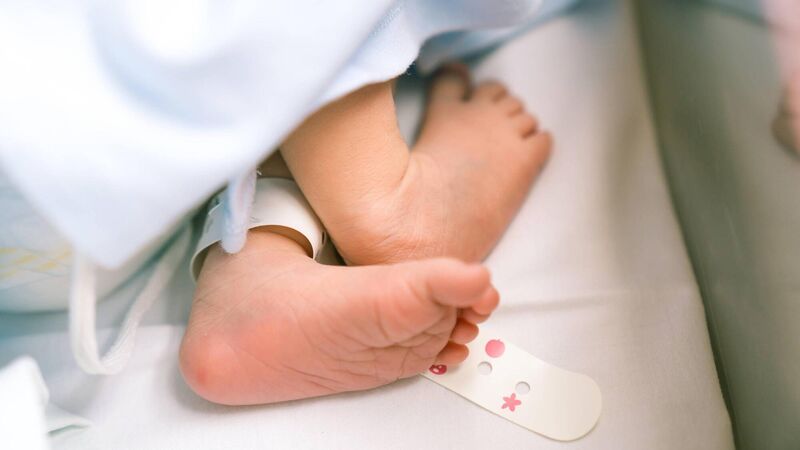
Home birthing functions well in countries with networks of highly trained midwives in the community.
I was 29 years old expecting my first baby. My birthing plan was sprinkled with soothing, lavender-smelling, pastel-coloured words like hypnobirthing, yoga, incense.
Somewhere in my labour (who among us can ever re-navigate that fog) a wonderful midwife called Gabrielle discovered that I had a prolapsed umbilical cord which meant that my ten-pound baby was coming down on top of it. I was wheeled from the room with colourful bouncy balls to the sombre-hued medical wing of a London maternity hospital.
My big, gorgeous, black-haired boy arrived via emergency C-Section sometime later. Never was I so grateful for medical advances.
But when the fog cleared and whilst dealing with catheters, breastfeeding, and the fear of that first bowel movement, I was devastated to read my medical notes. "Ms Horgan experienced a failed labour."
Failed mothering. Day One.
When I came across the online campaign against limits being placed on home birthing last week, I had a visceral reaction. How dare these women play God? Who do they think they are? I certainly hadn’t chosen to need a C-Section. It couldn’t have been further from my plans, from my literal, hastily discarded birthing plan.
The online campaign came in response to a letter outlining the recommendation that women should “reside 30 minutes or less in blue light distance” from their hospital. The HSE’s decision followed the death of Laura Liston, who died after giving birth to her first child at home in Croom.
Supporting the campaign, Dr Colm O'Boyle, Assistant Professor in Midwifery said the HSE statement came “in a knee-jerk response and in an evidence vacuum.” The Association for Improvements in Maternity Services Ireland (AIMS) responded to the change, arguing “that home birth services in the mid-west had been suspended as a result of one tragedy” with “no evidence whatsoever to indicate that this care pathway was a factor.”
They highlighted a lack of response to “two maternal deaths which occurred in hospitals around the same time.” The strength of my reaction against this campaign, my reaction against comments from O’Boyle and AIMS took even me by surprise. So, I went and researched home birthing for the first time.
I ended up changing my mind completely.
As it turns out, home-birthing is a sound option for low-risk pregnancies and women are only signed off by consultants in this context. Studies yield varying results so it’s very hard to argue either for or against it as an option in any definitive way.
It’s language that’s the problem.
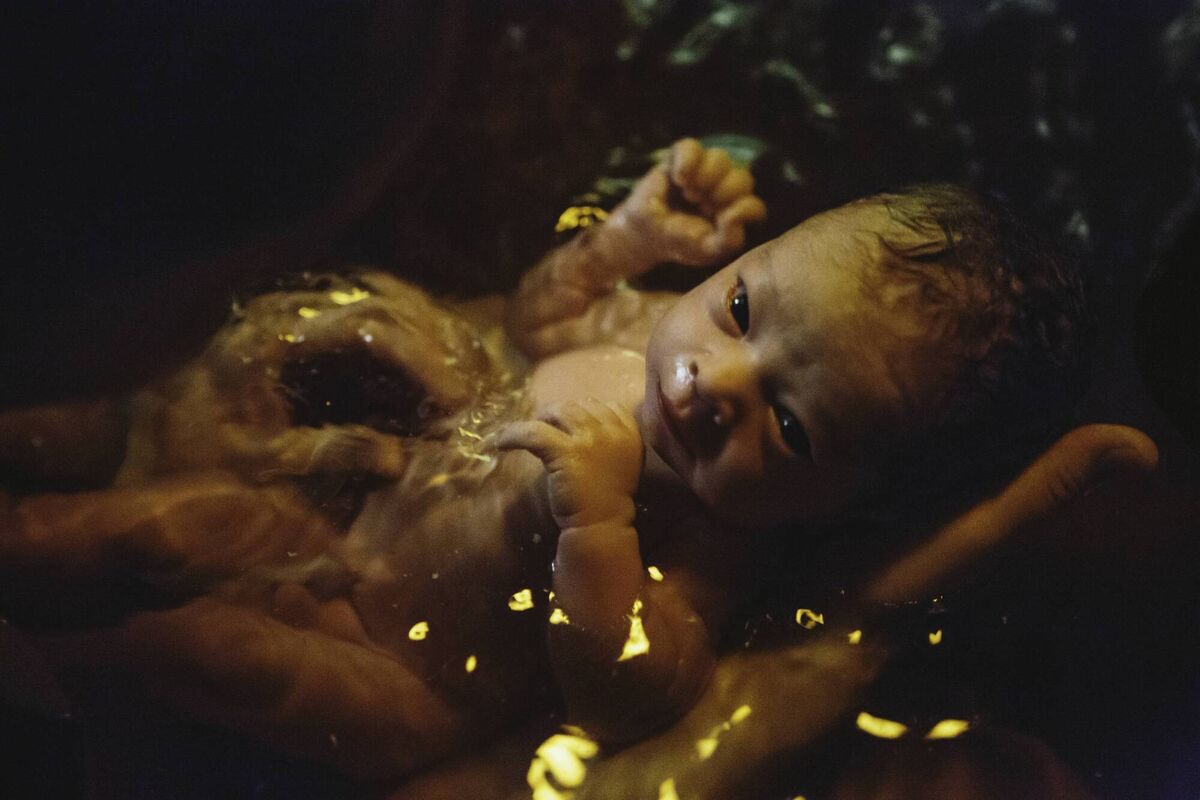
My reaction was unfounded, but it was understandable. It came from years of listening to people tell triumphant stories of natural births. In the context of (as it turned out) three difficult birth experiences, the word natural is tough for me to take. "What a wonder-woman." "Only three pushes." "She knew exactly what to do." Such comments have lodged in my brain over the last twelve years. I’ve smiled, carried on, changed the subject –lost in the flurry of remembered F marks across my medical notes.
The truth we avoid is that there’s nothing unnatural about a prolapsed umbilical cord. A breech birth is a natural occurrence. Not desirable. Problematic. Complex – but they are sadly very much a part of the nature of our bodies.
Nature is complicated and unpredictable.
Indeed, people may look to the past or to countries in the Global South to prove the point that without medical intervention, giving birth is a dangerous act. But better outcomes also relate to factors like nutrition, prenatal care, skilled midwifery, and clean water.
In truth, home birthing functions well in countries with networks of highly trained midwives in the community. The Netherlands has the highest rate of home birthing in the world. In fact, one-third of women opt for home-birthing in the country and the 60% of women that give birth in the hospital often start in the home but are transferred when problems arise.
Changing plans is part of the home birthing set-up. Because all births are risky to some extent and that’s something we should be frank about. The same ‘change of plan’ routine happens in Ireland. One in five women who began home birthing between 2018 and 2020 were transferred to hospital. One of the benefits of home birthing is that your own midwife comes with you.
Remoteness is not an issue in other countries either. Canada also has a strong tradition of home birthing, despite the isolation of many of its inhabitants. AIMS questions the 30-minute rule, arguing that there’s no clear evidence to suggest why a woman 40 minutes away, isn’t permitted to birth at home. Indeed, Canadian research on more than 45,000 low-risk births attended by midwives in the home suggests that people who plan to give birth at home, whether they end up in hospital or not, have less chance of interventions like C-Section and assisted vaginal delivery.
A woman who is comfortable taking the risk of birthing at home and is enjoying a low-risk pregnancy is not playing God, but for the record, all women have natural births. It’s just that sometimes, unfortunately, nature requires medical intervention. For many, perhaps most, being near a hospital, sounds like a wise choice. But that choice is a personal one.
Perhaps if we stop calling one type of birth natural, and the other a failure we might learn to see beyond the fog of judgement and control.
We might congratulate one another on navigating any labour, however, and wherever we choose to experience it.
CONNECT WITH US TODAY



Be the first to know the latest news and updates