Maude Delap: the pioneering marine biologist who broke bias in her field
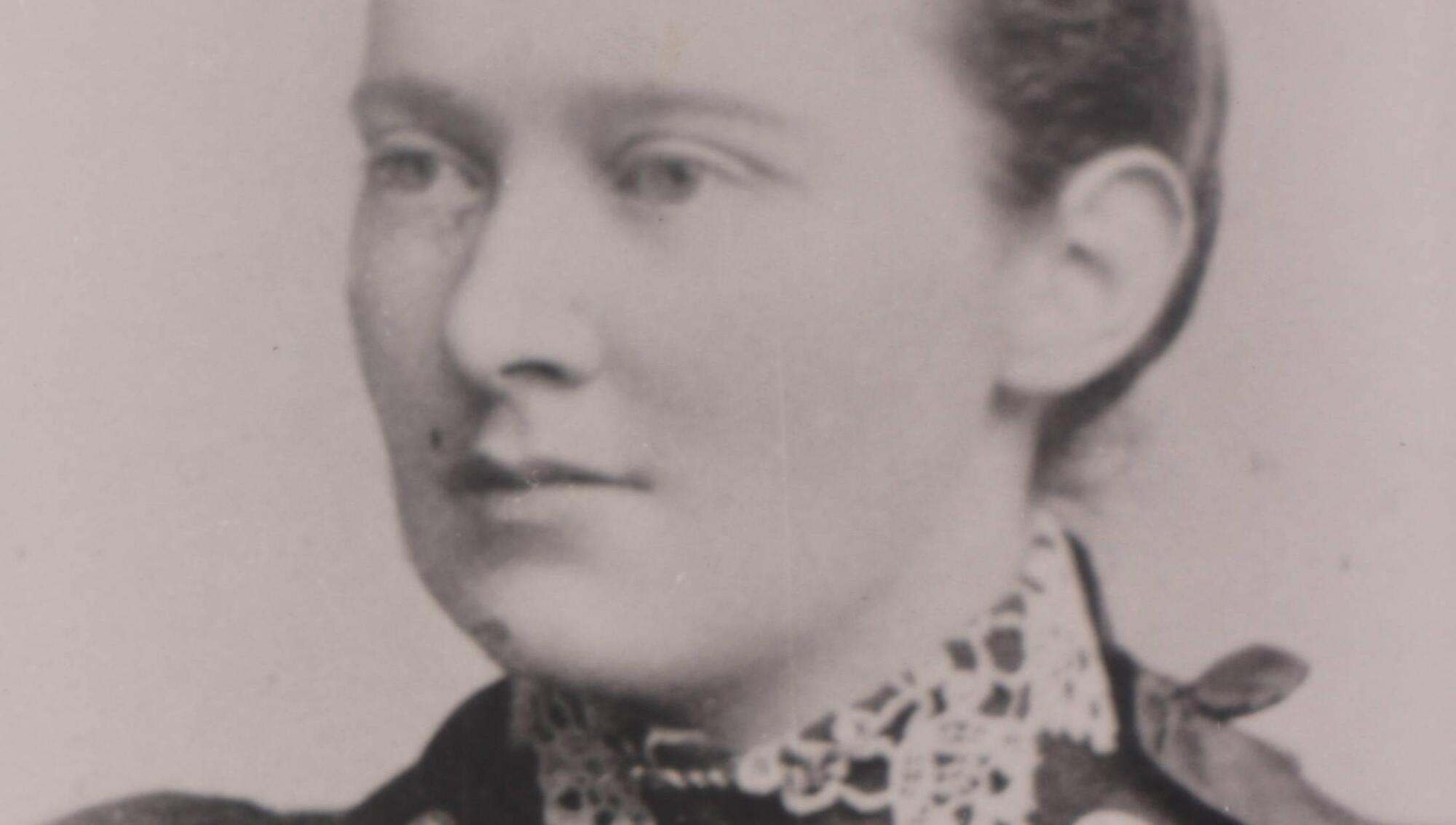
Maude Delap: a pioneer of marine biology. Pic: Valentia Island Heritage Centre
There is nothing more uplifting than hearing one woman champion the life and work of another.
I was struck by the truth of that when I heard Jane Sheehan speak with such unfettered enthusiasm about Maude Delap. The two women share a profession (marine biology) and a home place (Kerry), but they were born in different centuries.
What of it. It is as if Jane Sheehan, UCC researcher and wildlife and marine biologist, is reaching back into the past, not only to rescue and celebrate the pioneering work of Maude Delap (1866-1953), but to continue it.
That important work comes to mind today as the theme of this year’s International Women’s Day is ‘break the bias’.
Few broke the bias like Maude Delap.
She and her sisters were home-schooled, unlike their brothers, but that did not stop Maude from becoming a respected, if self-taught, marine biologist who collaborated widely with her university-educated (male) peers at Plymouth and University College London.
With her sister Constance, she rowed out into the waters and harbours around Valentia Island in Co Kerry, collecting several marine specimens in a tow-net. Then she went to work in her home-built laboratory which had, observers said, a pervasive “low-tide smell”.
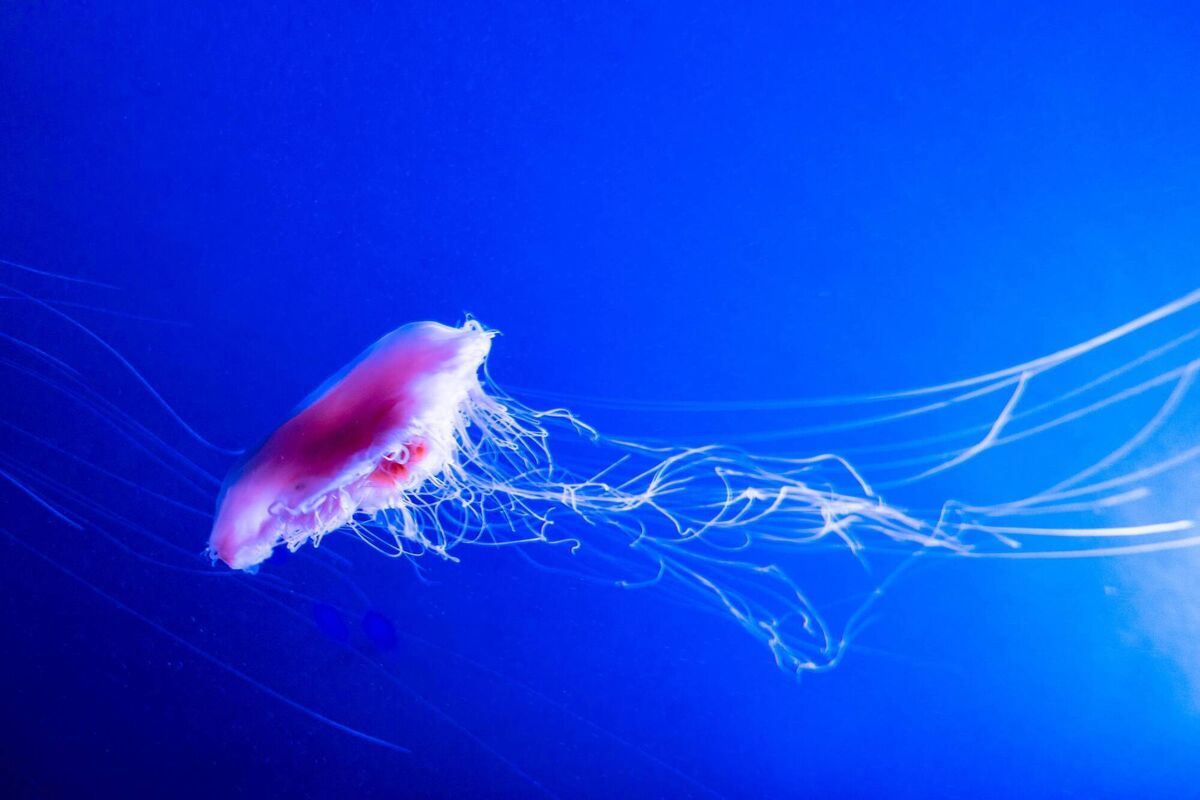
Maude fondly called it ‘the department’ and, within its confines, she made several internationally important findings on plankton and other species. Her greatest achievement was becoming the first person in the world to successfully breed jellyfish in an aquarium and to observe their life-cycle.
On the strength of her work, she was offered a job at the Marine Biology Station in Plymouth but her father, Rev Alexander Delap, himself a keen naturalist, forbade it. He apparently said: “No daughter of mine will leave home, except as a married woman.”
Despite what must have been a crushing disappointment, she continued to work and gather and study specimens.
Her bias-busting work has resonated down the decades to reach another marine biologist with a similar fascination with jellyfish.
“I was amazed at their very concept,” Jane Sheehan says, a century after her fellow countywoman charted their lifecycle. “No head, no heart, no blood, no brain and yet there they were swimming about and functioning all while being so beautiful and mesmerising”.
Given their shared interests, Jane Sheehan was completely taken aback when she found out that there was a jellyfish pioneer in her own county that she didn’t know of – Maude Delap.
“How had I gone all this time without knowing about her? She seemed too monumental for me to have never heard about up until then. Why weren’t we taught about her in school?” she asks.
While Maude Delap might be well-known locally and in some scientific circles, the disappearance of women and their achievements is all too common.
Happily, it is now much more common to witness a woman in the present revive and build on the work done by a woman in the past. But imagine how much knowledge we might gain if we saw more of it.

Jane Sheehan is part of a project which will, hopefully, make Maude Delap a household name. In her role as knowledge gatherer for Llŷn Iveragh Eco museum Project, she hopes to collate Maude’s papers, her research and gather as much information as possible on a scientist whose work is still relevant today.
It’s a fantastic project and one that reminds me of the way Madeline Hutchins brought her great-great-grand aunt Ellen Hutchins, the first female botanist in Ireland, back into the light by carefully gathering and curating her overlooked work.
Now there’s a festival to celebrate her, several books and even a suggestion that she could be commemorated on a euro banknote.
It just shows you what can happen when women champion other women.
Another self-taught woman who could do with a present-day admirer is Annie Massy (1867-1931), a Malahide-based self-taught marine biologist and mollusc expert whose opinion was sought internationally.
She worked part-time at the Department of Agriculture and Technical Instruction in Dublin and soon knew enough to identify specimens of squid, octopus and cuttlefish (cephalopods) trawled from Irish waters as new to science.
She wrote several important papers and her reputation grew. She was sent molluscs collected by the Terra Nova Antarctica Expedition (1910-1913) to identify, and many others from all around the world.
She was also a keen ornithologist and a founding member of the Irish Society for the Protection of Birds (now Birdwatch). When she died in 1931, Irish naturalist Robert Lloyd Praeger wrote that “even the ravens would miss her”.
The least we can do today is remember her and all the other women who broke the bias.
CONNECT WITH US TODAY



Be the first to know the latest news and updates