Has Wordle gotten harder? Yes and no — here’s why
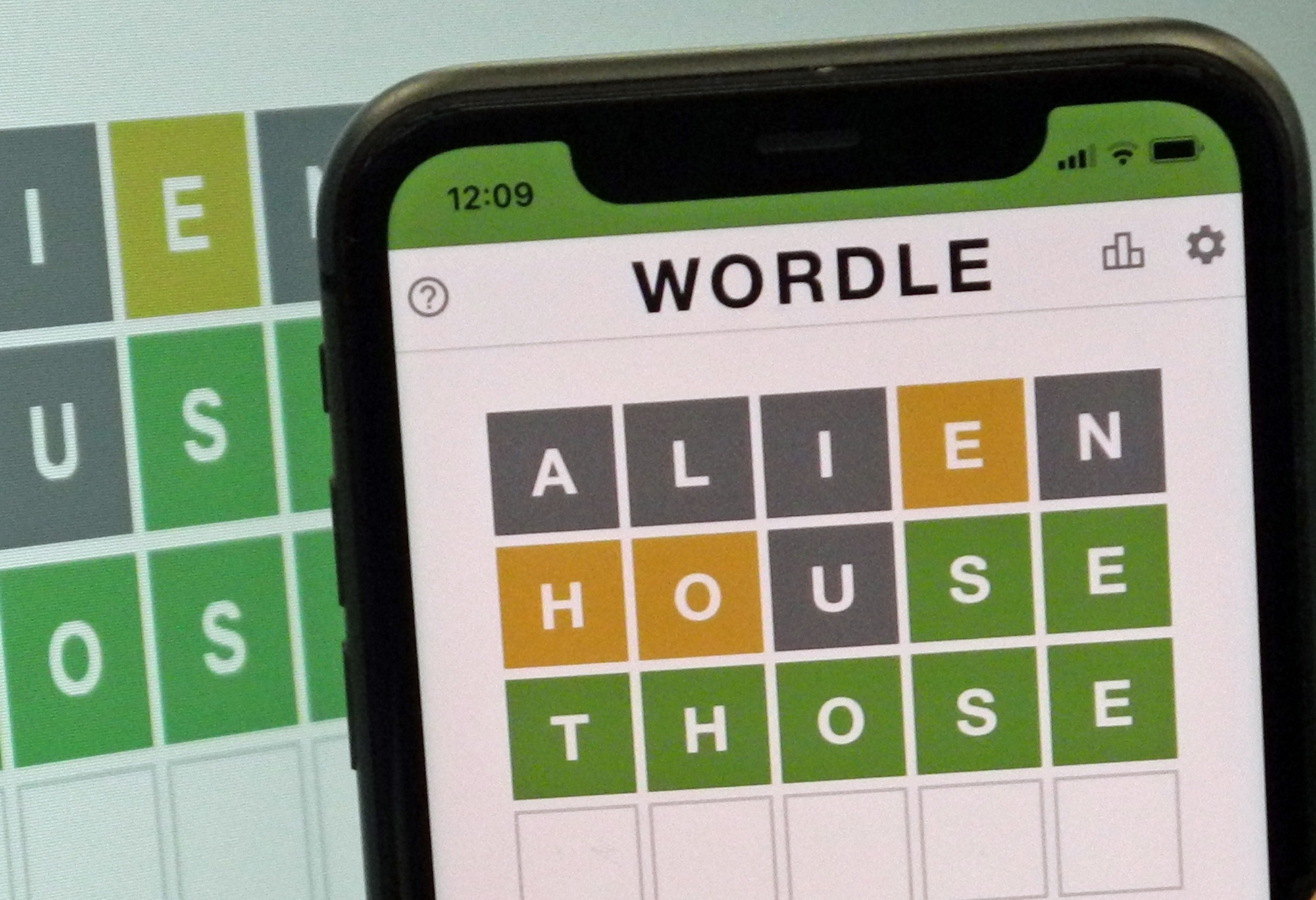
Many Wordle users think the New York Times (NYT) has made the game harder
It’s been 10 days since Wordle moved to the — and there have been a lot of people very unhappy with perceived changes since the move.
All good things must come to an end, as the saying goes, and many have lamented that the move has fast-forwarded the end of the internet's collective obsession with a game that promised a few moments of joy each day.
Now, some argue, it’s gotten tough to the point of frustration, with uncommon words, double letters and American spellings sucking the fun out of it all. In a viral Twitter thread on Sunday, one user argued that the NYT had added a “veneer of pretentiousness” to the word game, taking the joy out of something that used to be “for everyone.”
Author Holly Bourne meanwhile declared Wordle “over.” “Too many shit words in a row to try and make the game harder.”
But the question is — has it really gotten harder to solve?
Not according to computer scientist David Andersen, a professor at Carnegie Mellon University in Pennsylvania, who has compared the source code of the original game with the version.
Dear Medical Twitter: After 2+ years of saving the rest of us from misinformation, please let CS twitter return a tiny favor:
— David Andersen (@dave_andersen) February 20, 2022
NYT did not make Wordle's words harder.
Your symptoms are valid (it feels harder), but your diagnosis from Twitter info is not.
1/8
In a Twitter thread, Prof Andersen explained that the is actually using the same sequence of words creator Josh Wardle lined up in the original game — removing just six words from the original word list.
These six words include fibre, lynch, agora, pupal, slave and wench.
Prof Anderson said that while it is factually untrue that the made Wordle harder, it is true that the past few days have featured a hard sequence of words.
“The past two days had repeated letters. The previous week had a bunch of u's.
“But all of these words are in the exact same sequence in the original game, except for the removal of two hard words, agora and pupal.” Tax professor Sarah Lawsky, meanwhile, has analysed Wordle before and after its move to the platform.
She found that, on average, the words since the move are slightly less common words and tend to feature more duplicate letters.
Before the move, a third of correct guesses on Wordle featured duplicates, but since the move, some 45% of the words feature duplicate letters.
But, the good news is, if the keeps using the original Wordle list (as it has so far, save for the removal of some uncommon and offensive words) this will all balance out.
CONNECT WITH US TODAY



Be the first to know the latest news and updates