Eimear Breathnach: People with disabilities aren't inherently inspirational — they're just living their lives
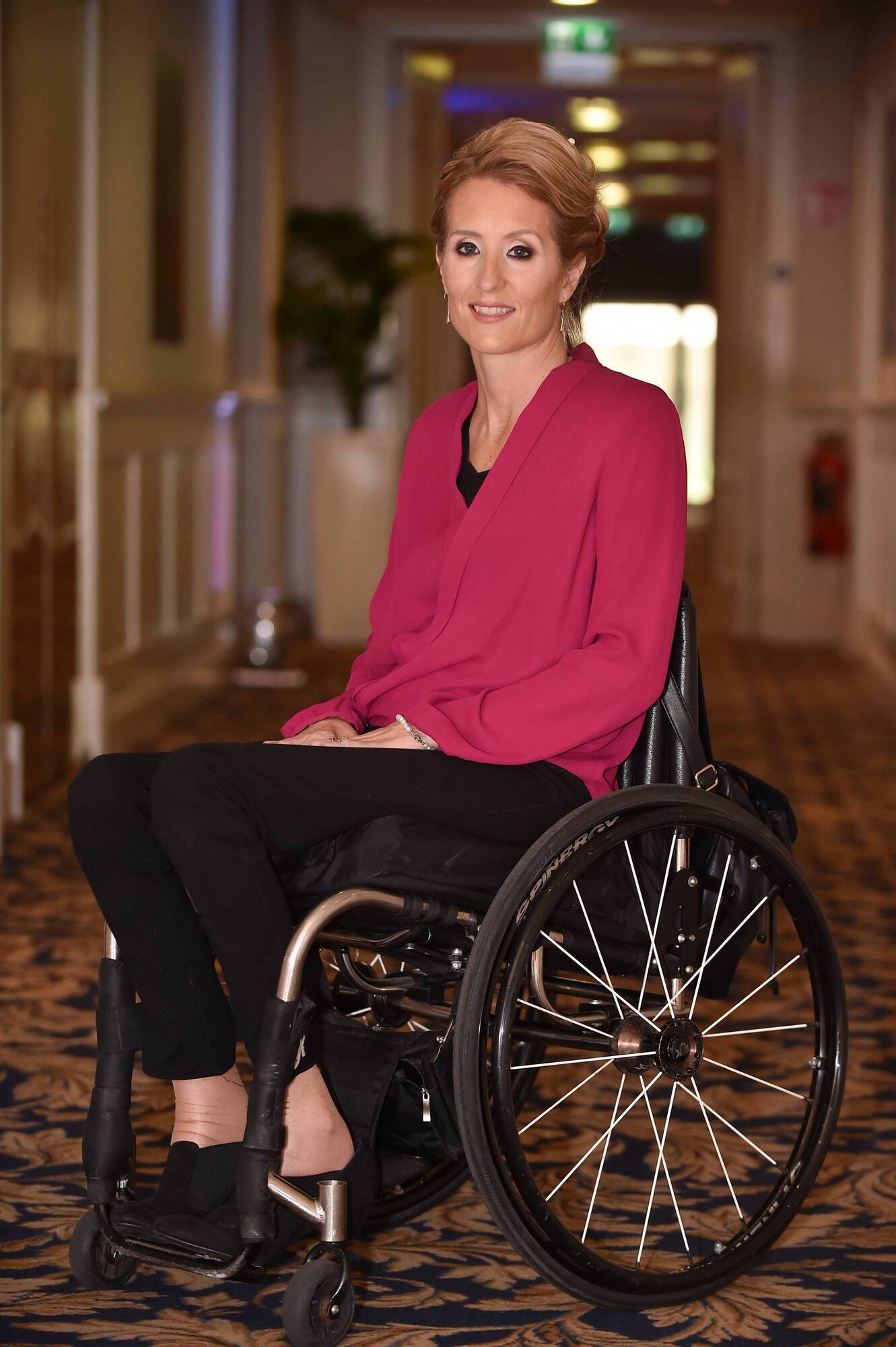
Eimear Breathnach: The greatest challenge I've faced in my life was returning to school after the diving accident that left me paralysed
I am the second youngest of eight children. I have five brothers, two sisters and 17 nephews and nieces. I met my husband Michael playing wheelchair rugby. He actually had an accident a couple of months before my own and left the National Rehabilitation Centre the week before me. It was a bit like .
The greatest challenge I've faced in my life was returning to school after the diving accident that left me paralysed from the neck down at 17. Prior to the accident, I was playing sports six or seven days a week. I rarely spent a whole week in classes in school because I was always away travelling to matches. It was a huge part of my school life. Returning to school, getting used to using the wheelchair, being in a new class while my former classmates were doing their Leaving Cert.. it was tough to go back. I stuck with it because I really wanted to do the Leaving Cert.
I didn't immediately go back to sport. My only focus at that time was getting through school. I couldn't write anymore so I had to get used to using a laptop. I dropped out of biology because I didn't have time to figure out how to do the diagrams using a laptop. Things that had been so easy before just weren't anymore... like transport. I used to just hop on the bus, or cycle, or walk. I was lucky I was able to get a car a few weeks after I returned to school so I was able to drive myself to school.
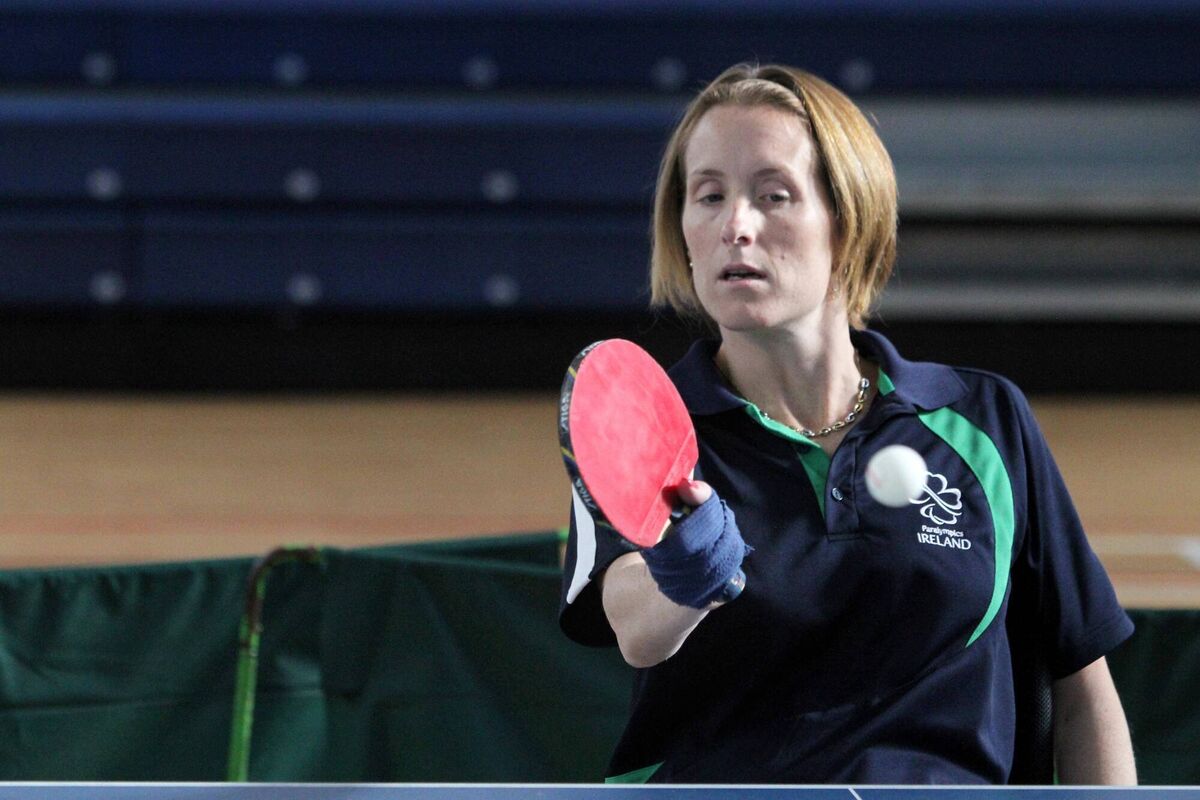
My proudest achievement so far in my life has been qualifying for the London 2012 Paralympic Games in table tennis. I had been sick after the Beijing 2008 Paralympic Games, I took a year out to get married and enjoy myself and just when I was planning to come back the following summer I got sick. Coming back from that and qualifying for London was a bigger achievement than Beijing.
It’s great to see the support for Paralympians, but one negative is with the growing awareness of the sport and the high profile of disabled athletes, there’s a narrative out there that all successful disabled people are athletes — that couldn’t be further from the truth. There are successful disabled people in every single aspect of society, medicine, law, government — not every disabled person is interested in sport and just because you’re disabled doesn’t mean you should take part in Parasport.
There’s also this idea that disabled athletes have ‘overcome’ their disability — they haven’t overcome anything but the barriers that have been put in front of them. In disability sports, athletes are successful because they have the right supports around them, and they compete in environments in which they can compete and succeed. If we could apply the same support to people in education and in the workplace, they would be equally successful.
The lesson I would like to pass on is that everyone is capable of doing the best they can with what they have. And happiness comes from the people around you, not material things, and from being content with what you have.
The greatest advice I have ever been given is there are two sides to every story and the truth lies somewhere in the middle.
When it comes to climate change, I feel people with disabilities are excluded from the conversation a lot of the time. The banning of drinking straws didn't have any big impact on anyone that didn't actually need them, but a lot of people with disabilities relied on using plastic straws to drink.
Myself and my husband, even if we were located in an area where we could use public transport more, could never travel together because there’s only one space for a wheelchair user on busses. With a lot of inter country services, wheelchair users need to give 24hrs notice to the bus service; with the Dart it's at least four hours notice, and you need to rely on the lift being in working order.
I am scared of spiders and cockroaches — and what the next pandemic might bring, especially from the point of view of someone with a disability. I think we were very lucky in Ireland that the interests of everyone in society were looked after with Covid, disabled people weren’t as lucky in other countries.
I don't particularly want to be remembered for anything special. I would like if people just remembered me as being fair and kind. I wouldn't expect anything more than that. I don't intend on being an inspiration to anyone. I detest the word inspiration when it comes to people with disabilities — everyone is just getting on with their life and doing what they want to do.
If I took a different fork in the road, maybe I wouldn’t have gone for a swim that night, but I don’t know that I would have been any happier than I am now. I wouldn’t have competed in the Paralympics. I may not have met my husband, the other great friends that I’ve met along the way. I am very happy right now. I don’t want for anything in life — just to stay healthy and happy.
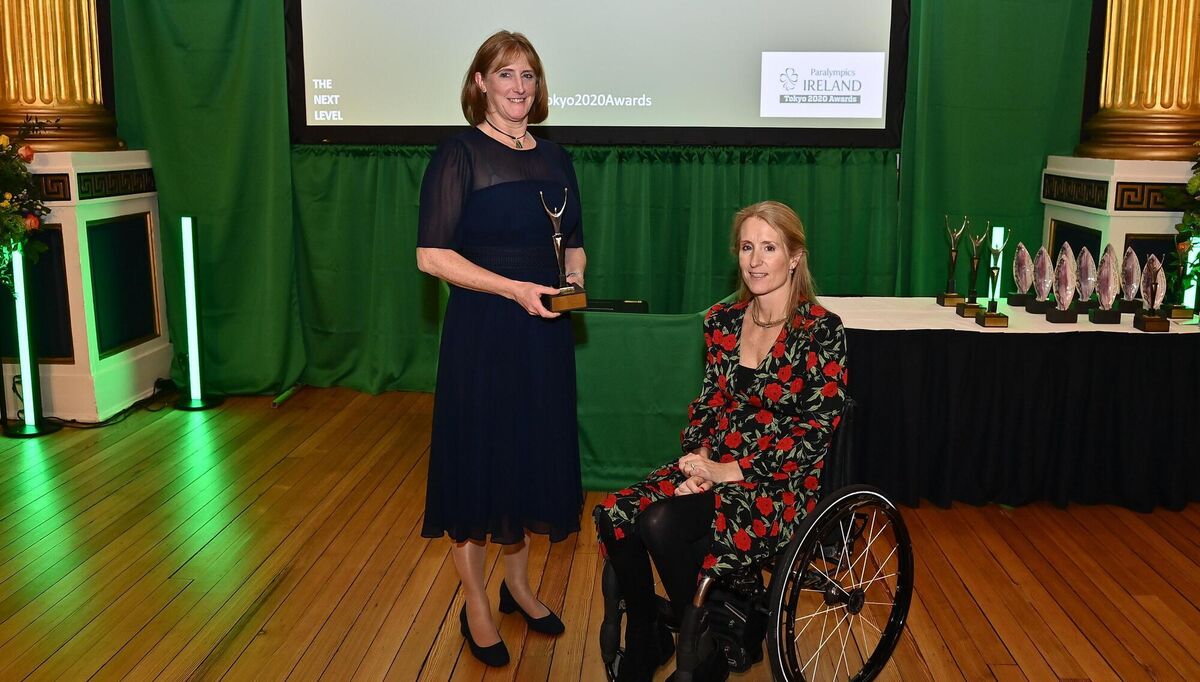
- Eimear is the president of Paralympics Ireland and represented Ireland in class 2 table tennis at the Beijing 2008 and London 2012 Paralympic Games
CONNECT WITH US TODAY



Be the first to know the latest news and updates