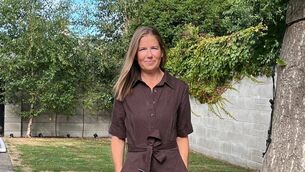
Pete the Vet: From pet parents to robot dog trainers, these are the new trends in pet care 
Pete the Vet reports from Boston on the latest innovations in the word of pets 
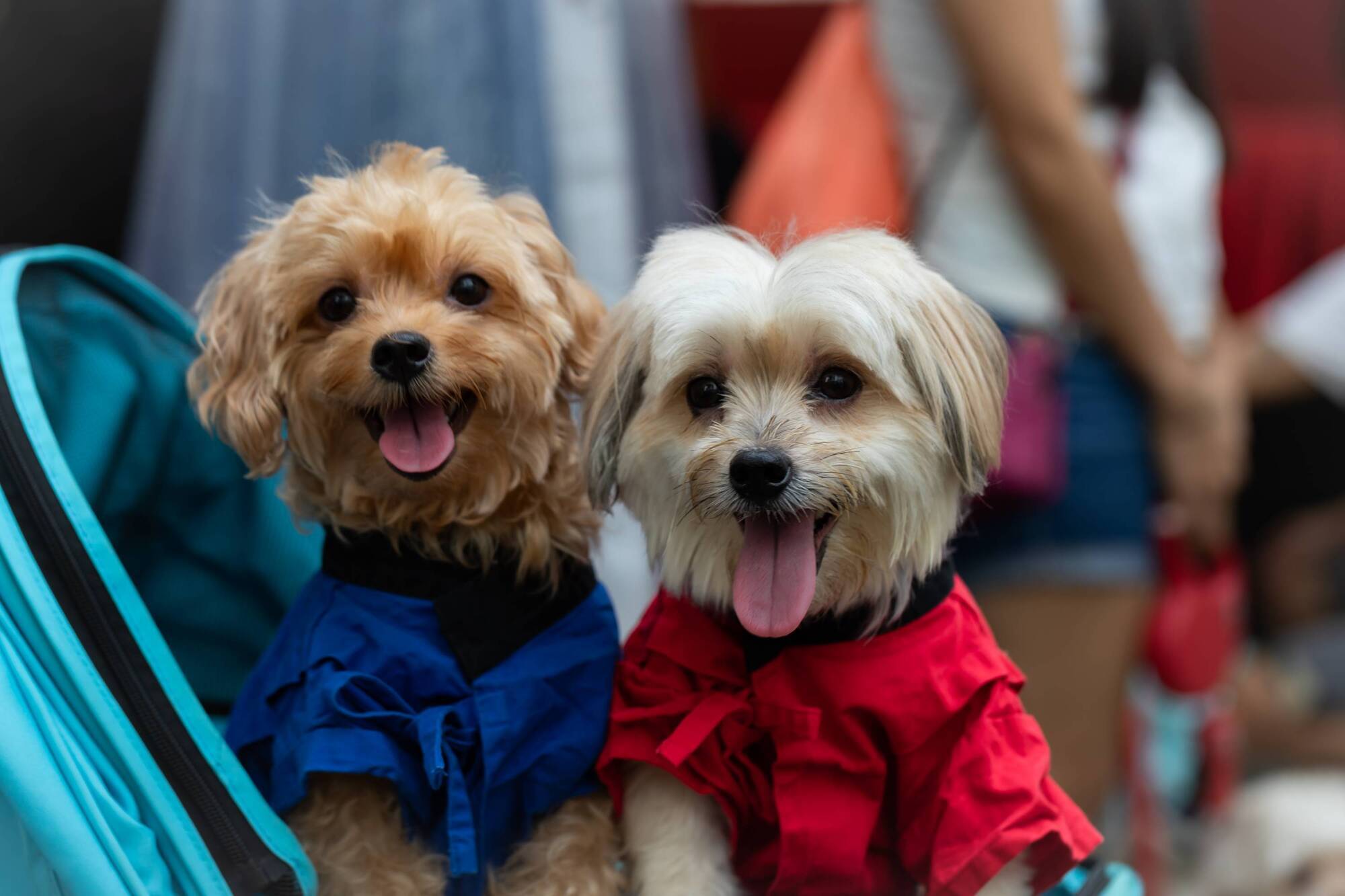
Pete the Vet: Younger people don’t like being called pet owners: they are now “pet parents”. Pets have been humanised: they are little people now. They are part of the family, and they’re treated in the same way as children.

Pete the Vet: Younger people don’t like being called pet owners: they are now “pet parents”. Pets have been humanised: they are little people now. They are part of the family, and they’re treated in the same way as children.

While Ireland was being buffeted by storms, I was overseas, at a global Pet Innovation Summit in Boston, USA. Traditionally, in the pet world, Ireland was 10 years behind the UK, and the UK was 10 years behind the USA. The gaps are smaller now, but the US still leads the world with new ideas and trends. The summit was shaped by presentations from big data companies about how people are behaving around pets, about what they want, and how we should adapt to meet their needs. And as we all know, data doesn’t lie.

So what’s coming down the road as far as pets are concerned?

The big news is that the traditional ways of caring for pets are about to change. The recent surge in pet ownership that happened during the COVID lockdown was led by young pet owners, leading to a shift in the age profile of the pet-owning population. Traditionally, people took on pets when they had established families, and they kept them on into retirement. This has changed: now people take on pets in their early twenties, and around 50% of pet owners in the USA are less than 40years old. They have a different mindset: younger people don’t want to do things the way they’ve always been done. They want to look after their pets in their own way, doing what they feel is best even if older people disagree.

They don’t like being called pet owners: they are now “pet parents”. P

ets have been humanised: they are little people now. They are part of the family, and they’re treated in the same way as children.

Pet parents don’t like to be told what to do by vets: while nearly 80% of older pet owners seek advice from my profession, less than 50% of pet parents do this. Instead, they do their own research, scanning the internet, talking to dog groomers, trainers and pet shop staff. They realise that they need the vet when their pet is sick, but they want to do this on their own terms: instead of phoning to make an appointment, they’d prefer to engage online first, looking at all the options rather than just agreeing to what the vet suggests. They don’t like “gold standard” veterinary care, because they know that this can be very pricey. They’d prefer to pay their vet on subscription, like Netflix or Spotify, allocating funds every month rather than being hit by sudden big bills. 

Vets haven’t yet adapted to these ideas, but the data companies are saying that vets are too vet-centric. Instead, vets should be listening to what their customers want, rather than trying to stick to the old ways. This is not easy for vets to do: we feel that our way of doing things works, and we don’t like being told what to do. Perhaps it will be up to the younger generation of vets to redesign the vet services of the future in ways that appeal to their own age group.

The summit presented many new products that appeal to pet parents: from home diagnostic kits (underarm thermometers for pets and DIY lab tests), to ultrasonic devices that prevent fleas and ticks (no more expensive and environmentally challenging chemicals), to dog training robots that observe dogs’ movements in the same way as a self-driving car watches the road, rewarding them with treats for behaving well.

I’ve come home from the summit with a webcam that allows me to watch my pet’s behaviour on my phone, to make sure they are happy if a storm hits when I am out at work. I’m doing my best to be a good pet-daddy.

How to mind your pets during bad weather

Winter storms are becoming more common in the Irish seasonal weather pattern, and they can cause serious problems for pets. Here are my five top tips for minding your pets during stormy weather.

Bring all pets indoors and create a cosy pet den. Choose a small room (preferably without windows) for your pet to use as their base during the storm. Soundproof this as best you can, and leave classical music playing to drown out frightening storm noises. Place some of your worn clothing in your pet’s bed for them to snuggle into: it will carry your reassuringly familiar smell.

Set up a pheromone diffuser beside your pet’s bed: this will create an odourless invisible cloud of pheromones that will comfort your pet, making them feel calmer.

Many pets go missing in storms because they panic, runoff, then get lost. Don’t let them out unattended, and in case they make an unexpected getaway, double-check that they are carrying effective identification: an ID tag on their collar, plus a microchip implanted under the skin. Ask your vet to confirm for you that the microchip database has your up to date contact details.

Look after your pets’ toileting needs. Keep cats indoors, with litter trays, and accompany your dog outside during lulls in the storm, at least twice daily.

Stay calm and relaxed, behaving normally around your pets. Dogs, especially, look to humans for cues about what to do in uncertain times, so if you show anxiety or agitation, this will make them feel nervous and edgy. Ask your vet about anti-anxiety medication if your pet does become upset. Signs include vocalising (barking, howling, yowling), pacing, trembling, chewing walls or furniture, or simply looking very distressed.

More in this section

Lifestyle

Newsletter

Eat better, live well and stay inspired with the Irish Examiner’s food, health, entertainment, travel and lifestyle coverage. Delivered to your inbox every Friday morning.

Cookie Policy Privacy Policy Brand Safety FAQ Help Contact Us Terms and Conditions

© Examiner Echo Group Limited