I thought I was depressed: Lorraine Keane on her experience of  perimenopause 
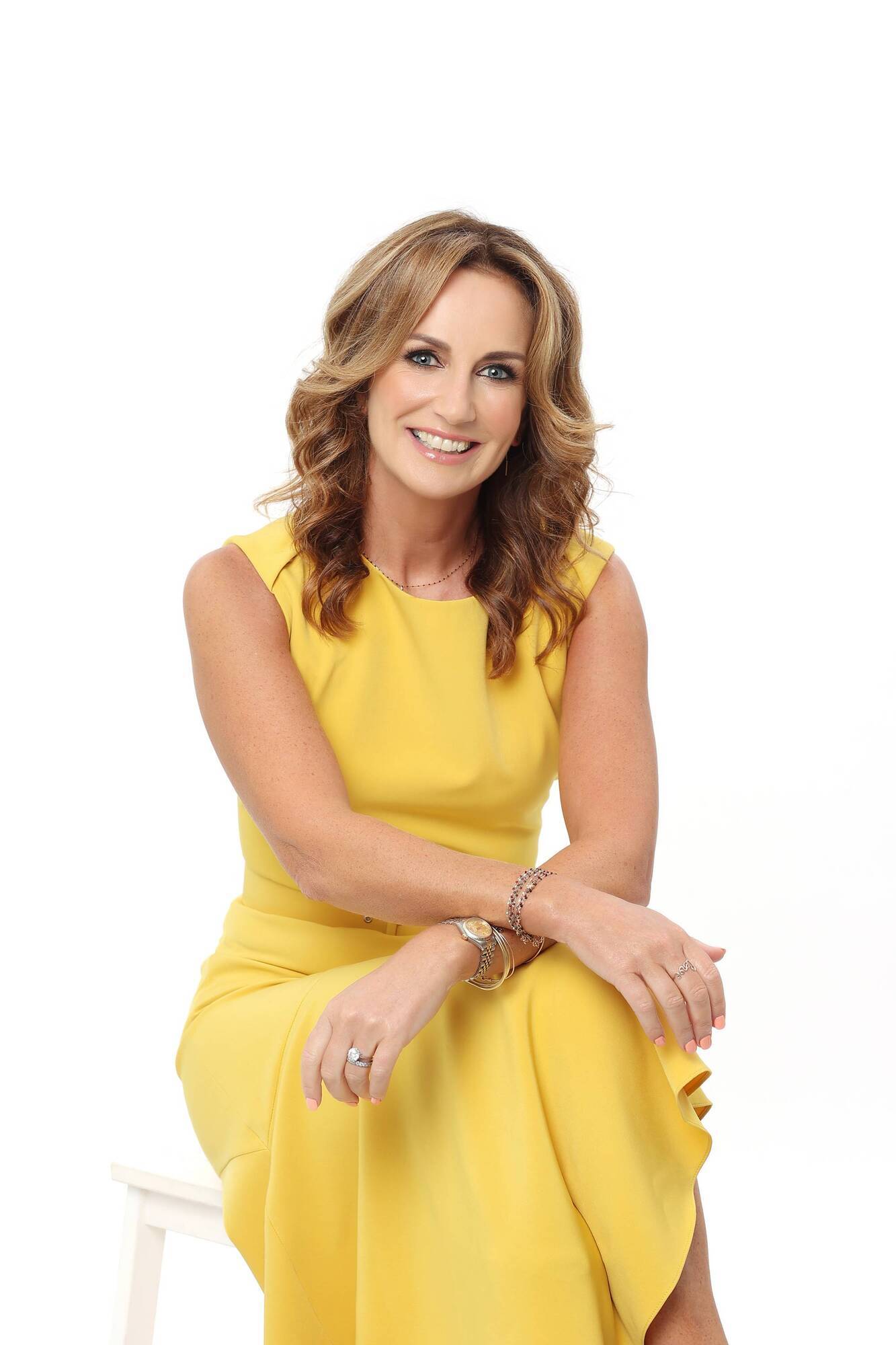
'Some people are unfortunate enough to be in perimenopause in their 30s and I was one of those'
Lorraine Keane is backing Boots' ‘Let’s Make Menopause Visible' campaign

Lorraine Keane is backing Boots' ‘Let’s Make Menopause Visible' campaign

Almost two-thirds of perimenopausal or menopausal women say menopause has caused them to experience physical or psychological symptoms that have “significantly” affected their day-to-day life, but 41% do not believe either is taken seriously.

That’s according to new research undertaken by Empathy on behalf of Boots Ireland, who surveyed more than 360 Irish women and found that some 30% of women don’t know what perimenopause is.

TV presenter and journalist Lorraine Keane, who has been speaking up about her experience of perimenopause for six years now, says it is “phenomenal” the number of women who don’t recognize the symptoms of perimenopause - and she was one of them.

“Being a journalist, I would read a lot and I would consider myself to be very interested in news, and yet anytime I saw any article based on menopause or perimenopause, I skipped it and thought ‘that's not for me yet, that's way down the line.” 

Lorraine Keane. Picture: @lorrainekeaneofficial / Instagram

The beloved broadcaster, who is backing Boots' ‘Let’s Make Menopause Visible' campaign, said it is only on reflection she realises she was actually going through the perimenopause in her late 30s.

“Normally perimenopause is 40 plus, if you're lucky, it'll be 45 to 50. Some people are unfortunate enough to be in perimenopause in their 30s and I was one of those.” 

When she was in her late thirties, Lorraine started experiencing a range of emotions and physical symptoms that impacted her life satisfaction. Among them, insomnia, low mood, and low libido.

But as a busy mum of two, who was trying for a third with her husband Peter, she blamed her lifestyle.

"I was working full time, I had two little girls. I was very busy, very tired, juggling way too much - like lots of mums.

“I was putting all my symptoms down to the fact I was doing too much.

“I wasn't sleeping at night, I was waking three to five times during the night, and then I'd wake up the next morning, and I would have no energy. I put that down to the fact I hadn't slept.” 

Her low mood and low libido were also likely connected to not sleeping, she reasoned.

“And with the fertility, I again put it down to the fact that I wasn't giving myself a chance because I was just so stressed and so busy and running around like a mad thing.” 

But there were other symptoms too - her hair began falling out in clumps, she started experiencing breakouts, joint pain.

“I was going into my female GP bursting into tears, I was an emotional wreck.

“There were times I thought I was depressed.” 

But, despite the fact all of these are known symptoms of perimenopause, Lorraine didn’t for a moment think she might be going through this in her late thirties, and neither did her GP.

“I had a lot of the symptoms and unfortunately therein lies one of the problems.

“Hormone health is not a compulsory part of the medical profession. There are a lot of GPs who don't recognize the symptoms because they don't know enough about it themselves.” 

Lorraine Keane said it was not an easy decision to speak up Picture: Mark Stedman

Looking back, Lorraine says she went through “so much suffering” and she knows there are many Irish women suffering in silence now.

That has been her motivation in speaking up about her own experience - but it isn’t something she was immediately comfortable with.

“It was a very difficult thing to talk about at the time, nobody was talking about it.

“There is a stigma, people think of it as something that is very old and therefore something that's not very attractive.” 

“I was apprehensive about [speaking up] especially because of my career, TV is a very ageist industry.” 

But despite the risks, she said she had to speak up giving all of the problems it caused her - some of which could have been avoided had she simply had the information she needed.

“There are lots of things that can help - the natural health route, HRT, medications.” 

“You need to know your options and I always say to people, once you have the information. once you know what to expect, then you can be armed going into perimenopause or menopause.” 

In fact, Lorraine, who is also an ambassador for Cleanmarine supplements, says she keeps their 70 page 'The Essential Guide To Female Hormones' guide in the boot of her car and gives it to every woman she meets.

Lorraine Keane at home in Monkstown, Dublin. Picture: Ruth Medjber

“I would love to go into schools and talk about hormone health so it becomes part of normal conversation.

“Because for my entire life, I’ve struggled with hormonal imbalance, and I didn’t realise.

“There are a lot of women out there suffering in silence and it’s unnecessary and we need to look after each other.” 

On the perimenopause and menopause, Lorraine, who is now in her fifties, said we should remember it’s just a stage in our hormonal journey.

“You come out the other side, maybe it's four or five years time, and life is actually going to be even better.” 

“You don't have periods, you don't have period pain, PMS... I'm looking forward to it!” 

You can download Cleanmarine’s ‘The Essential Guide To Female Hormones’ booklet for free here.

x

More in this section

Lifestyle

Newsletter

Eat better, live well and stay inspired with the Irish Examiner’s food, health, entertainment, travel and lifestyle coverage. Delivered to your inbox every Friday morning.

Cookie Policy Privacy Policy Brand Safety FAQ Help Contact Us Terms and Conditions

© Examiner Echo Group Limited