Diary of an Irish Teacher: Literature, like music, reminds us of what it means to be alive
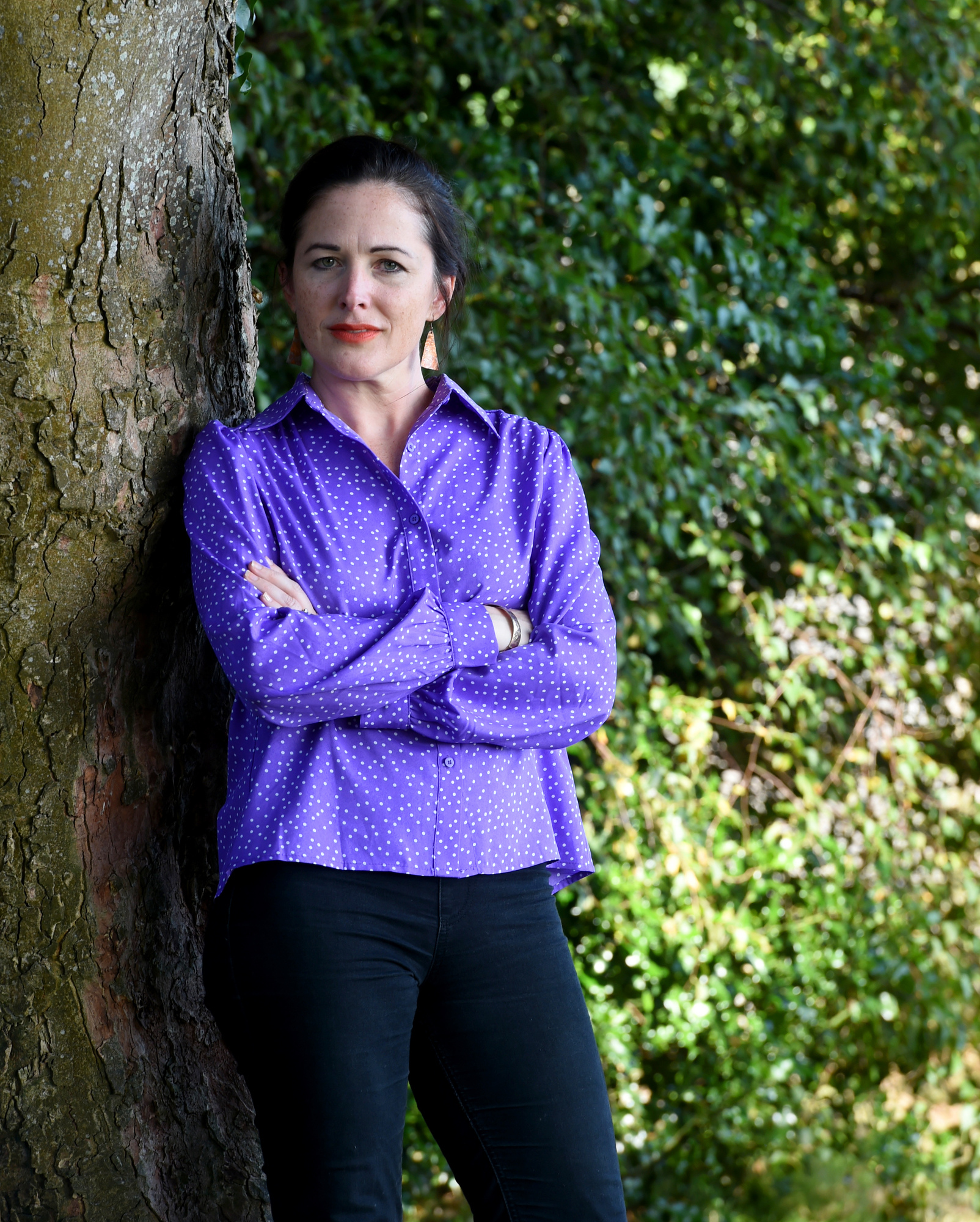
Jennifer Horgan - the Examiner's Irish Teacher. Pic: Larry Cummins
My Leaving Cert class just finished reading Philadelphia, Here I Come!.
We’ve booked to see it in Cork Opera House soon. My dashing colleague has promised to wear a pocket square for the occasion. I’ve decided on a green and gold dress. Full length. It’ll be a daytime showing for secondary school students so we might look a tad over-zealous but post-Covid, over-zealous seems about right.
We’re English teachers getting to go to the theatre again. Philadelphia, Here I Come! indeed.
They may not be planning their outfits already, but our students are almost as excited about our trip as we are. Why? Because Brian Friel’s play, set in a fictional rural town in Donegal and written nearly 60 years ago, still speaks to them.
I’ve heard the case for getting rid of older texts again and again. ‘We need to give students something relevant.’ ‘We must keep up with the times.’ But my experience of reading this play confirms my longstanding suspicion — good literature never ages.
Even Shakespeare is still relevant. His stories depict people in extremis, in the throes of passion or envy, gripped by sorrow or ambition, subject to humiliation or bigotry. The bard’s plays might be about Danish princes, Scottish thanes, odd characters called Bottom, but under the livery, the leaves, or the leather, they’re people. Literature, like music, reminds us of what that means. To be a person. To be alive. And so, it connects us to our past and helps us to navigate our future.
On this score, Friel’s play works perfectly. It shows us just how far we’ve come in modern Ireland. Nowadays, we have the bravery and the freedom to show our emotions. Friel’s poor characters do not.
The way we teach in Irish schools reflects this broader change in society.
I volunteered to read the stage directions during the last lesson.
I struggled through tears to get them out. I couldn’t hide my sadness — the one son leaving for America with only an apple in his pocket, the ageing father left to live out his final days in loneliness and regret. My emotions cracked through too forcefully, I couldn’t conceal them. And it was ok. My students didn’t mind because we’re used to being open and honest with each other.
One student reassured me, ‘It’s ok Jen, we know you have kids.’ Another bravely considered the last moments we’ll all have with people we love. ‘When will it happen? Will we know at the time?’ Big questions for a 10 o’clock lesson.
What a privileged job I have.
And all we did was read the play. And we listened to the music mentioned in the text, and other music about emigration, songs by The Pogues and Christy Moore. The students did the work themselves, as humans they made the necessary human connections. I just gave them the text and hit play on Spotify every so often.
This is what makes me love being an English teacher — watching young people being gentle and patient, considering characters from different angles, truly empathising with them.
But I’m mostly happy to be an English teacher now and not 30 years ago, when teachers kept a cool distance, wore a mask of professionalism. I don’t do that. I cry in my classroom if I feel like crying. And I play music too.
Twenty-five years ago, I don’t think we were as emotionally literate as a country. I never really got to know my teachers. One of my teachers was married to another. I spent many a lesson imagining them at their kitchen table, picturing their shared home. How on earth could teachers get married, wear pyjamas, have babies. Didn’t they just live and replicate themselves in staff rooms?
The first time I ever heard music in a classroom was at university. The wonderful Eibhear Walshe played ‘Wuthering Heights’ by Kate Bush before we started the novel. I’ve never forgotten that moment, because I felt it, all of it, the tragedy of Cathy and Heathcliff, encapsulated in that song.
Yes, literature is about the past and it’s about the present. It’s about being human. I’m so grateful that in the modern Irish classroom we get to be as human as we choose to be. And I’m grateful that we get to study old texts that still have so much to say about who we are – who we once were and who we are set to become.


CONNECT WITH US TODAY



Be the first to know the latest news and updates