A look at Prince Philip's life and royal role as Britain's longest-serving consort
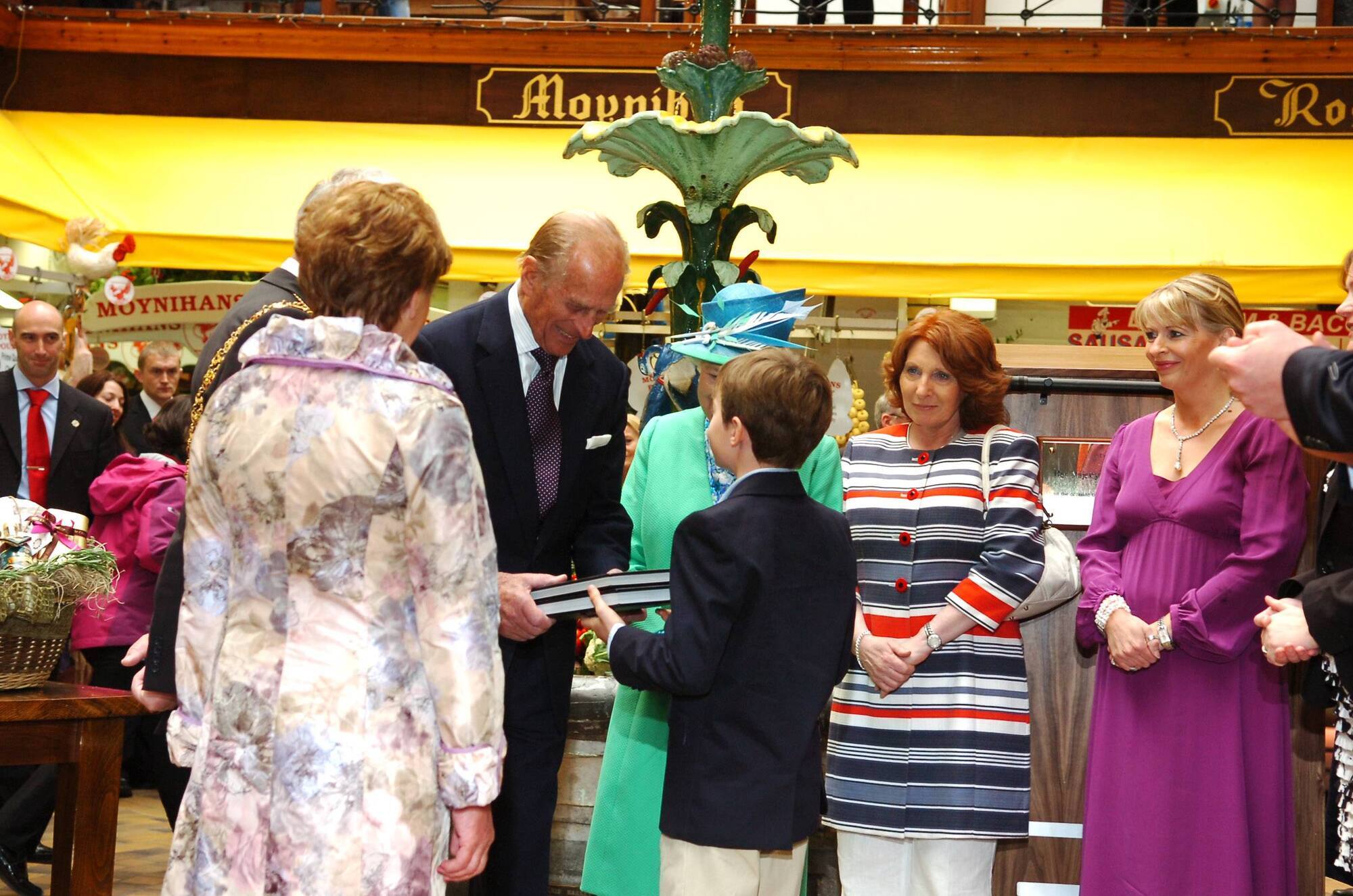
Prince Philip and Queen with the books presented to them during their visit to English Market in 2011. Pic: Larry Cummins
The Duke of Edinburgh — also known as Britain's Prince Philip — was married to Queen Elizabeth II.
He was the longest-serving consort in British history.
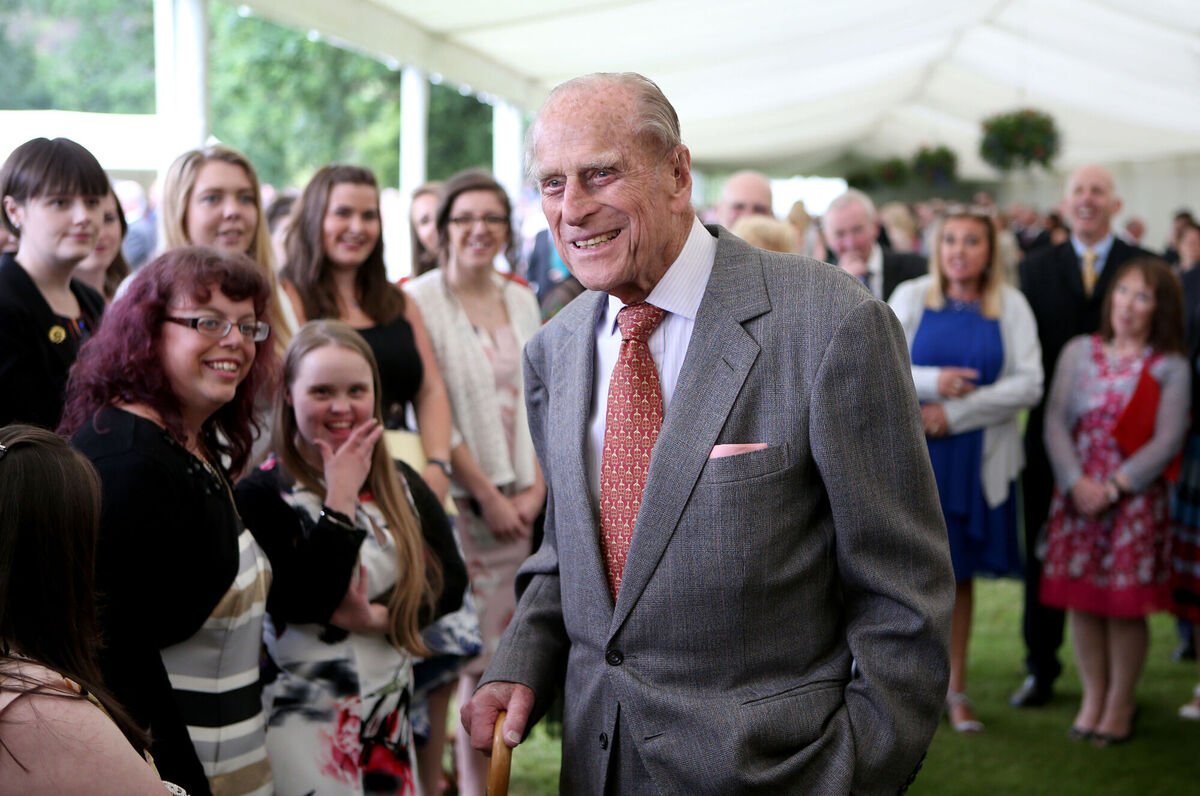
The duke was born on June 10, 1921 on the Greek island of Corfu.
He was a prince of Greece and Denmark and his parents were Prince Andrew of Greece and Princess Alice of Battenberg.
He was exiled from Greece as a child and grew up in France, Germany, and Britain.
They were distant cousins and both great-great-grandchildren of Queen Victoria.
They attended some of the same events in their youth — a wedding in 1934 and King George VI's coronation in 1937.
But they had their first publicised meeting in 1939 when Philip was 18 and Princess Elizabeth was 13.
The princess's parents, King George VI and Queen Elizabeth, had taken her and her sister, Princess Margaret, to visit the naval college in Dartmouth and cadet Philip was assigned to entertain the princesses.
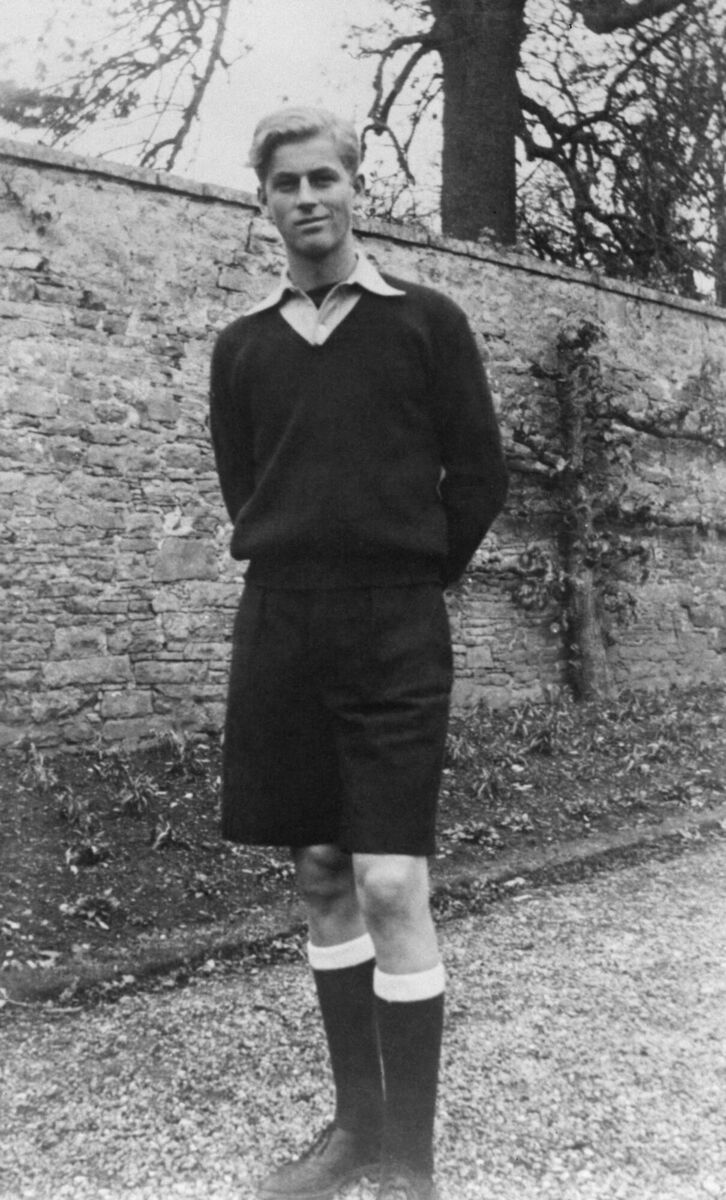
Elizabeth first fell for tall, blond, athletic Philip during their Dartmouth encounter when he amused her by jumping over tennis nets.
The pair wrote regular letters to one another and later met on numerous occasions, with Philip even spending Christmas with the royal family during the Second World War.
- What did Philip do in the Second World War?
He fought for Britain in the Royal Navy.
He saw active service from the Indian Ocean to the Mediterranean, and by 1945 was in Tokyo Bay as the Japanese surrendered.
He was mentioned in despatches for his service on battleship HMS Valiant in 1941.
Philip and Elizabeth's engagement was announced in July 1947 and the royal wedding took place on November 20 1947 in London's Westminster Abbey. Elizabeth was 21 and not yet Queen.
Five years after they married — in 1952 — George VI died and Elizabeth became the monarch.
While on honeymoon Princess Elizabeth wrote to the Queen Mother, in letters seen by biographer William Shawcross, and declared: "Philip is an angel - he is so kind and thoughtful and living with him and having him around all the time is just perfect."
Philip in turn wrote to tell his mother-in-law of his deep love for his new wife.
"Lilibet is the only 'thing' in the world which is absolutely real to me and my ambition is to weld the two of us into a new combined existence that will not only be able to withstand the shocks directed at us but will have a positive existence for the good," he said.
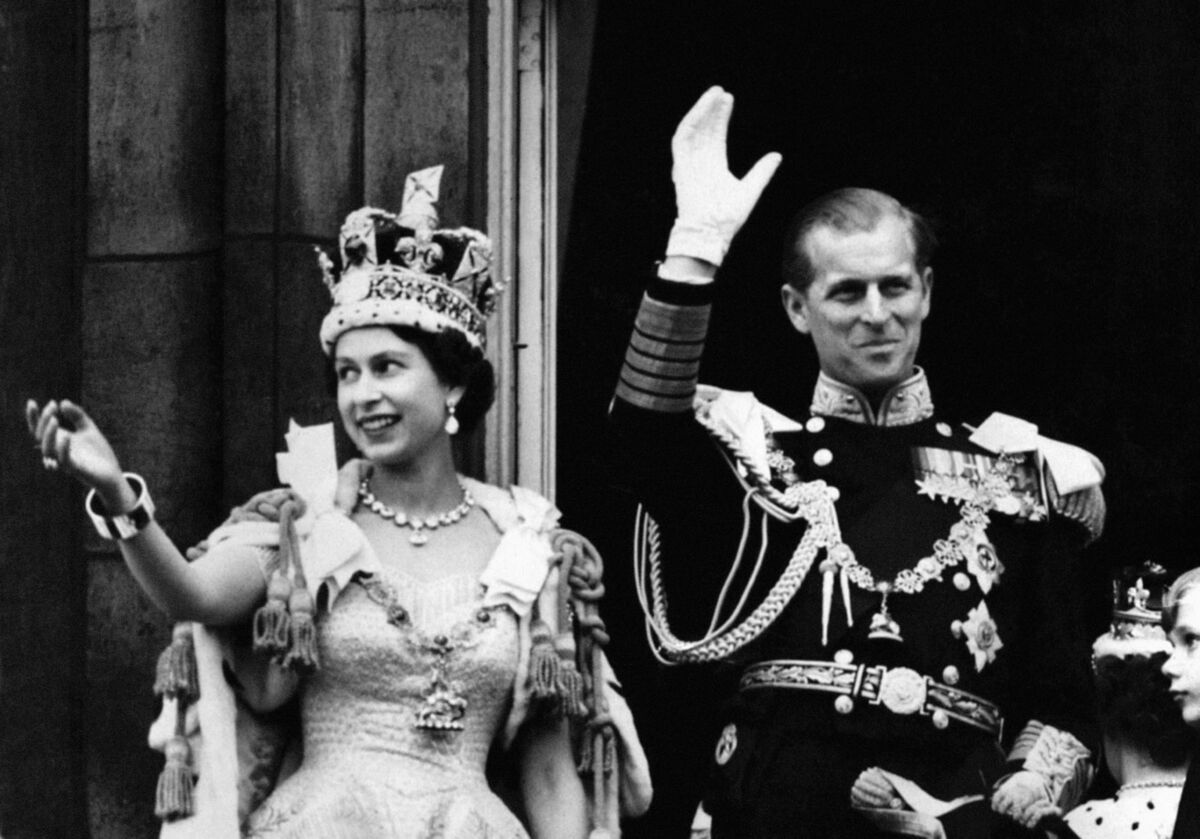
Philip renounced his Greek title and became a naturalised Briton in 1947. He became Lieutenant Philip Mountbatten.
He chose his new surname Mountbatten — an Anglicised form of his mother's maiden name Battenberg - rather than Schleswig-Holstein-Sonderburg-Glucksburg — the family name of the Danish royal house from which his father was descended.
He was made the Duke of Edinburgh by Princess Elizabeth's father, George VI, just before the wedding. The Queen later made him a prince of the UK.
Prince Philip had insisted that Elizabeth take on his surname (Mountbatten), but British officials and the monarchy wanted to continue using Windsor. Eventually, Elizabeth and Philip compromised on Mountbatten-Windsor in 1960. Meghan Markle and Prince Harry used the last name for their son, Archie Harrison Mountbatten-Windsor.
It has been reported that Elizabeth's decision not to take his surnames deeply upset the Duke, and prompted him to complain that he was "nothing but a bloody amoeba" and was "the only man in the country not allowed to give his name to his own children".
They shared interests — a love of horses and outdoor life — and had the same dutiful royal training.
They were content in each other's company but also happy to spend time apart.
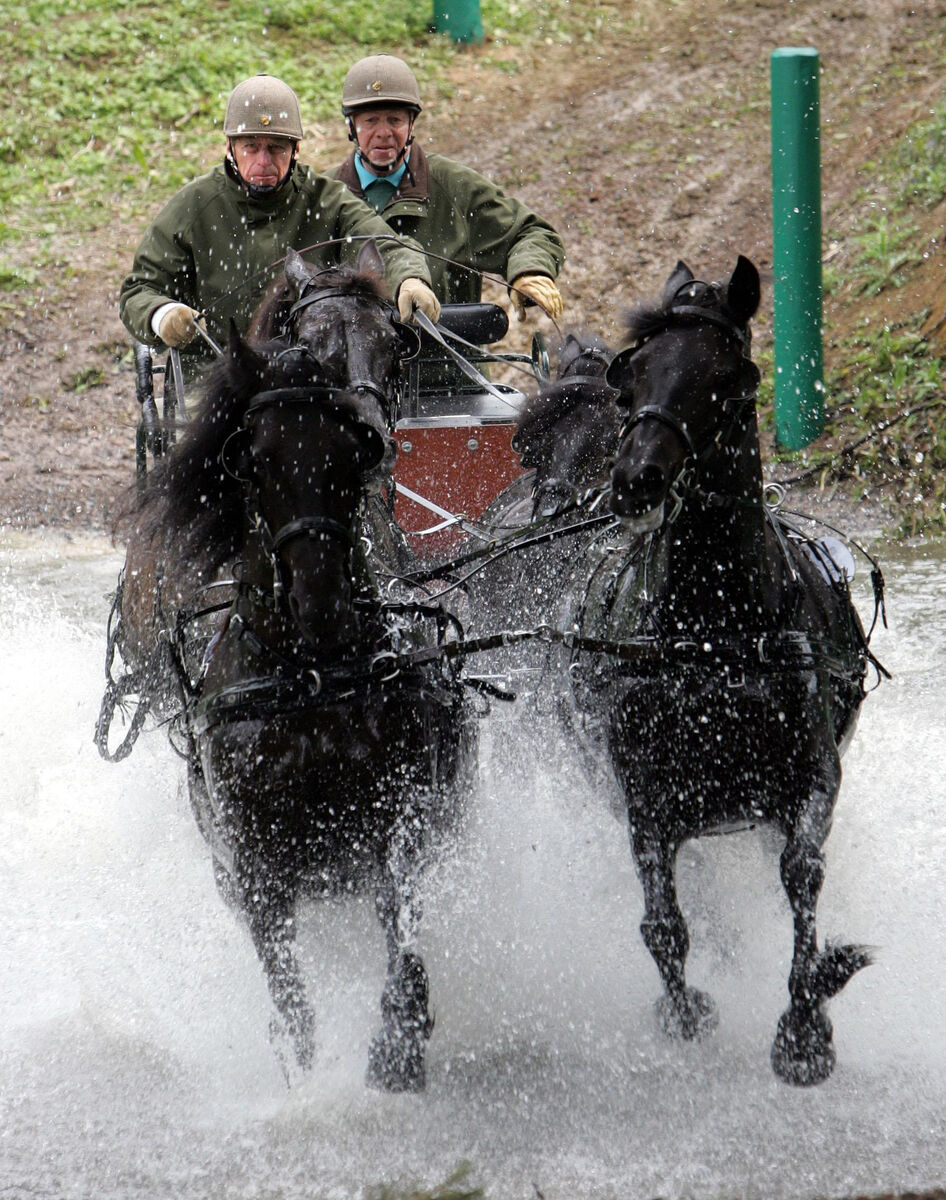
Philip loved carriage driving, while the Queen might go to dinner with friends.
In character, they were very different. The duke was seen as cantankerous and adventurous, while the Queen is viewed as passive, cautious and conventional.
Lord Charteris, the monarch's former private secretary, once recalled: "Prince Philip is the only man in the world who treats the Queen simply as another human being.
"He's the only man who can. Strange as it may seem, I believe she values that," he told royal writer Gyles Brandreth.
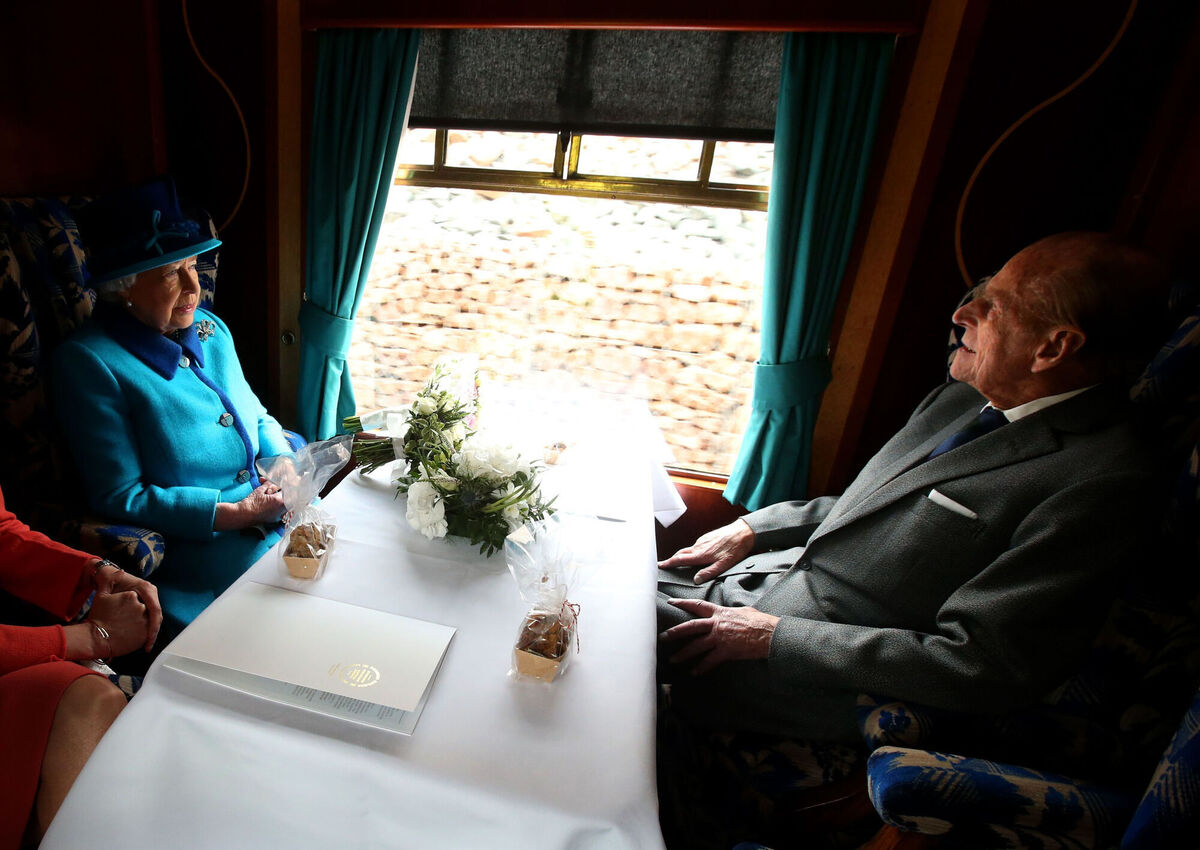
A friend of the royals once told biographer Sarah Bradford: "He shouts at the Queen sometimes like he shouts at other people and she doesn't seem to mind.
"It's as if she thinks that's how husbands behave."
There were moments when Philip's bluntness would embarrass the Queen, but she was not averse to telling him herself to "Shut up".
She knew how to handle him and would retort: "Oh Philip, do shut up. You don't know what you're talking about."
When he shouted at her in private, she would calmly ignore it.
Their partnership was a traditional one and the Queen grew up in a world where it was the man who was in charge behind closed doors.
Their domestic relationship might perhaps best be illustrated by an anecdote recounted by Lord Mountbatten.
Philip, who had a record of minor motoring accidents, was driving his wife and Uncle Dickie to Cowdray Park. The Queen, worried about the speed at which Philip was going, started to tense herself and draw in breath.
Eventually, her husband turned to her and barked: "If you do that once more I shall put you out of the car."
She stopped immediately.
When they arrived, Lord Mountbatten asked her: "Why didn't you protest? You were quite right — he was going much too fast."
The Queen looked puzzled and replied: "But you heard what he said."
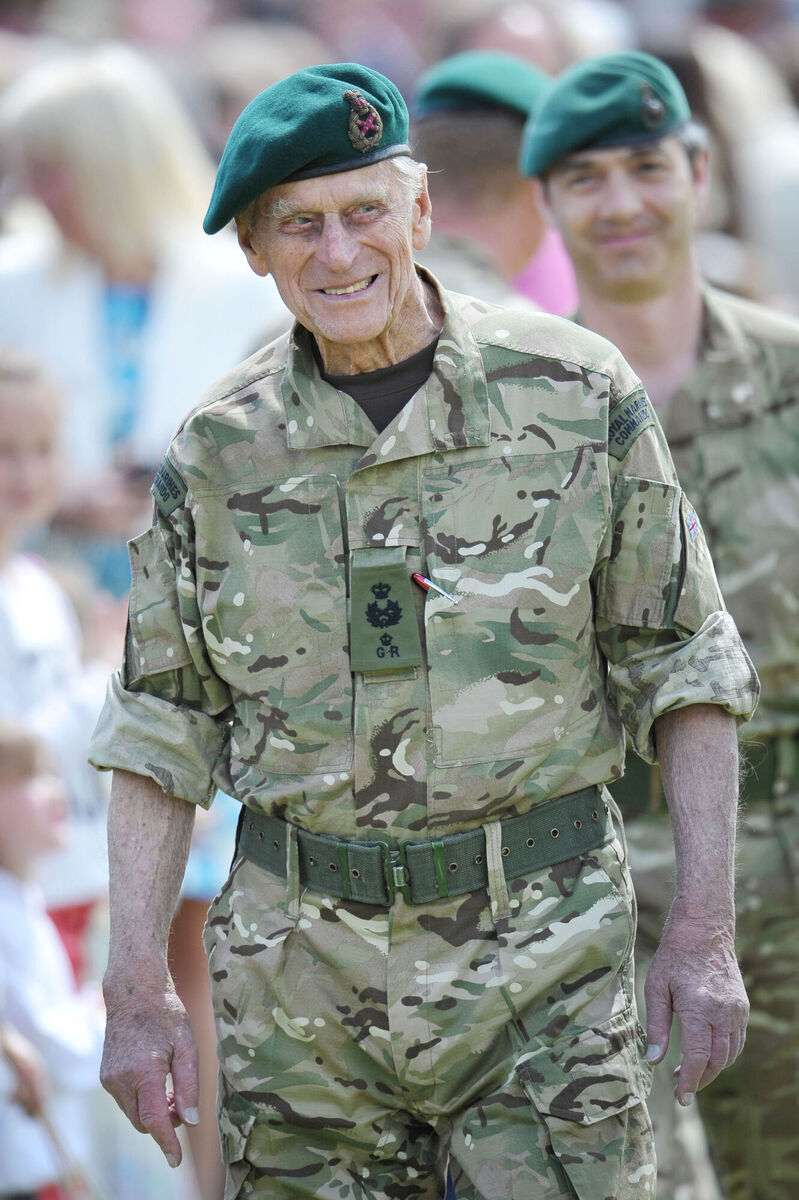
The Queen and Philip had four children: Prince Charles (now the Prince of Wales), Princess Anne (now the Princess Royal), Prince Andrew (now the Duke of York) and Prince Edward (now the Earl of Wessex).
There were rumours that Philip had strayed during their long marriage, although none was ever proven.
On their golden wedding anniversary in 1997, the duke praised his wife for her abundance of tolerance.
"I think the main lesson that we have learnt is that tolerance is the one essential ingredient of any happy marriage," he said.
He added: "It may not be quite so important when things are going well, but it is absolutely vital when the going gets difficult. You can take it from me that the Queen has the quality of tolerance in abundance."
The Queen spoke of him fondly in return: "All too often, I fear, Prince Philip has had to listen to me speaking."
"Frequently we have discussed my intended speech beforehand and, as you will imagine, his views have been expressed in a forthright manner. He is someone who doesn't take easily to compliments but he has, quite simply, been my strength and stay all these years, and I, and his whole family, and this and many other countries, owe him a debt greater than he would ever claim, or we shall ever know."
In 2007 the couple celebrated their diamond wedding anniversary by travelling to Malta, where they had lived for a short time as a young couple.
In 2012, they marked their blue sapphire anniversary — 65 years — and in 2017 passed the rare, personal milestone of 70 years of marriage - their platinum wedding anniversary.
He was George, Charlotte, Louis and Archie's great-grandfather.
He was also grandfather to the Duke of Cambridge and the Duke of Sussex.
He is known for supporting the Queen through her long reign, and carrying out thousands of royal engagements.
He also was involved for decades with hundreds of charities, and set up The Duke of Edinburgh's Award youth adventure scheme.
His gaffes. The duke was famed for his off-the-cuff remarks, which ranged from the quick-witted and funny to the politically incorrect and offensive.
The husband of a reigning Queen, unlike a Queen consort, is not crowned nor anointed at a coronation.
Elizabeth and Philip made a state visit to Ireland in May 2011, at the invitation of the President of Ireland, Mary McAleese.
It was the first visit by a reigning British monarch to the area that is now the Republic of Ireland since the 1911 tour by Elizabeth's grandfather King George V, when the entire island of Ireland was still part of the United Kingdom of Great Britain and Ireland. While here they visited Croke Park in Dublin, where 14 people were killed by British forces during a Gaelic football match in 1920.
The Queen was presented with a limited edition book outlining the GAA's history, and Prince Philip was presented with a hurley stick and a sliothar — with the suggestion that he might use it "in the back garden". While here they were also shown how to pour a pint of stout but they declined to have a sup.
They then met the taoiseach Enda Kenny and were shown around government buildings.
CONNECT WITH US TODAY



Be the first to know the latest news and updates