How do we make our houses cosy when they are also classrooms and offices?
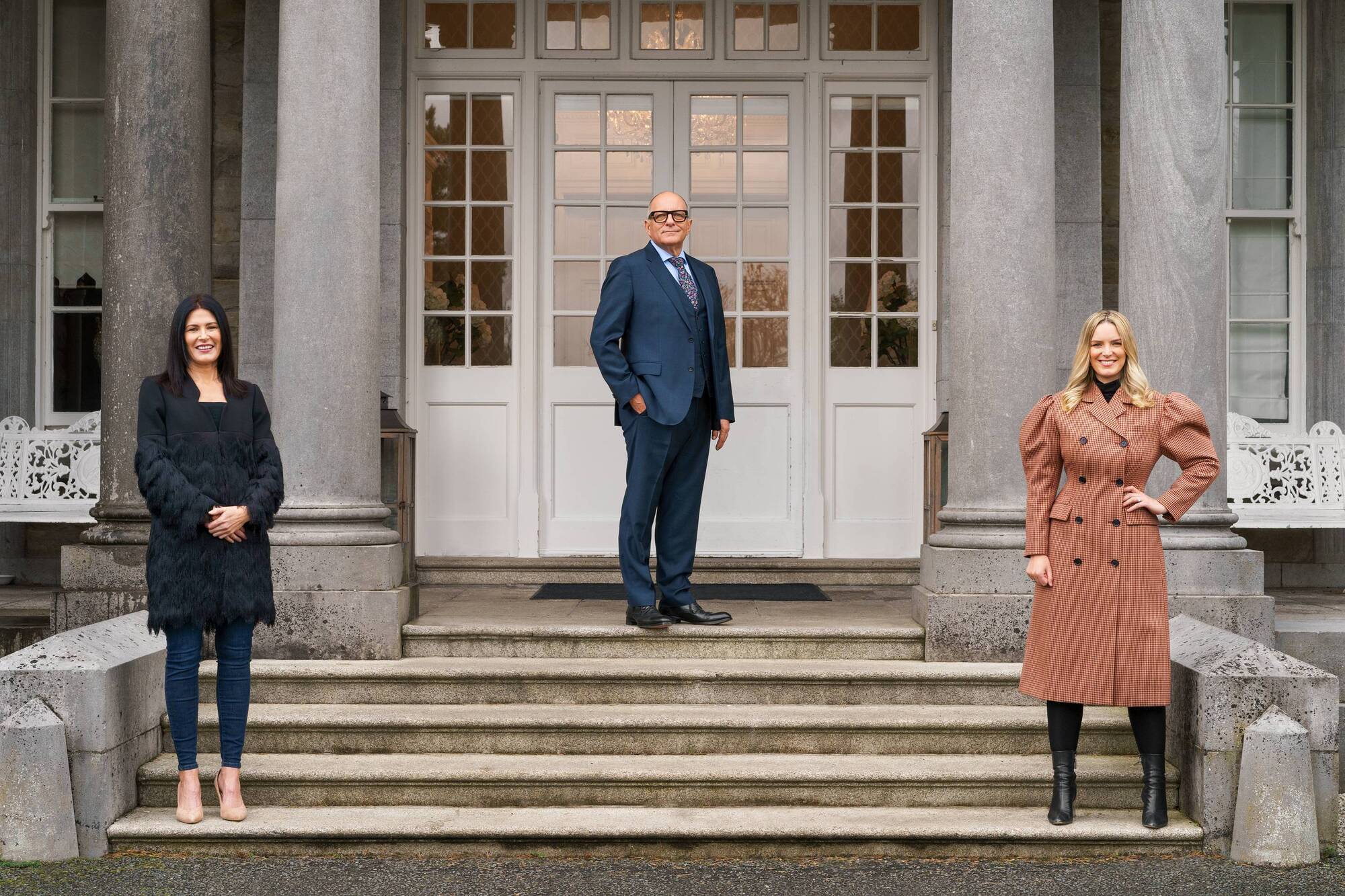
The judges for the new season of' Home of the Year'.
“It’s a good jolly old snoop, and Irish people love a good old snoop,” says Hugh Wallace, judge on , which returns to our screens on Tuesday for its seventh season.
With so many of us staying at home through the third lockdown, the programme, which gives viewers a sneak peak into 21 of the country’s most inspiring homes, will be especially welcome.
Over eight weeks, we’ll get to see an incredible mix of abodes — from converted mills to bespoke architectural new builds to re-imagined cottages.
This time the show features two new judges alongside Hugh, award-winning architect Amanda Bone and Suzie McAdam, who was named Interior Designer of the Year by in 2019. Their brief is to look for individuality, functionality and clever design, as well as that intangible that makes a house a home.
Amanda has been a fan of the show from the get-go. “My mum and I would watch it and we always disagree every year.”
Little has changed now that she’s a judge. “Hugh and I disagreed on every single house. There’s one point where all three of us agree and it’s so unusual that we burst out laughing.”
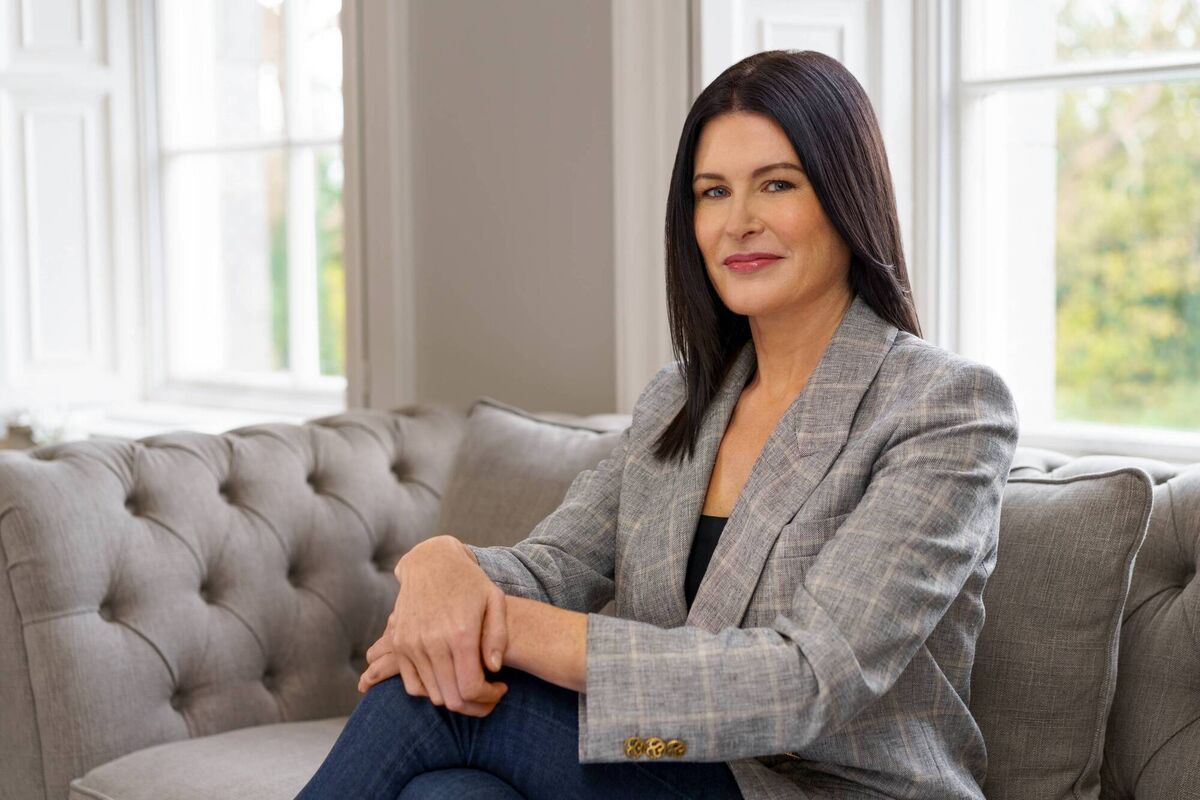
Amanda worked in Paris and New York before she set up her own practice. This is her first time on television and although daunted at first, she says that “ once you walk into a home, you actually forget about the cameras because there is so much to look at and talk about. Once we started talking, we couldn’t stop sometimes.”
The last season of was watched by an average of 393,000 viewers, and our fascination with what lies behind a front door is shared by the judges.
“I’m very nosy,” says Suzie McAdam, “when I was buying my house, I probably viewed a few houses that I wasn’t going to buy but I was interested in having a look around.”
Hugh loves that moment of wondering why he is at a particular house and “then you go in the door and somebody has built this amazing two-storey high loft extension at the back of a bungalow and it’s stunning.
“I think the houses have got better and better over the seven years because people have become educated and they’re much more willing to push out the boat and experiment.
“I love going in and thinking, ‘God, I wish I’d thought of that’. What got me this year was the ability of people to use colour and mix up colour, pinks with aubergines and reds. You’re going ‘that doesn’t work’, and it does work. That’s what I found extraordinary.”
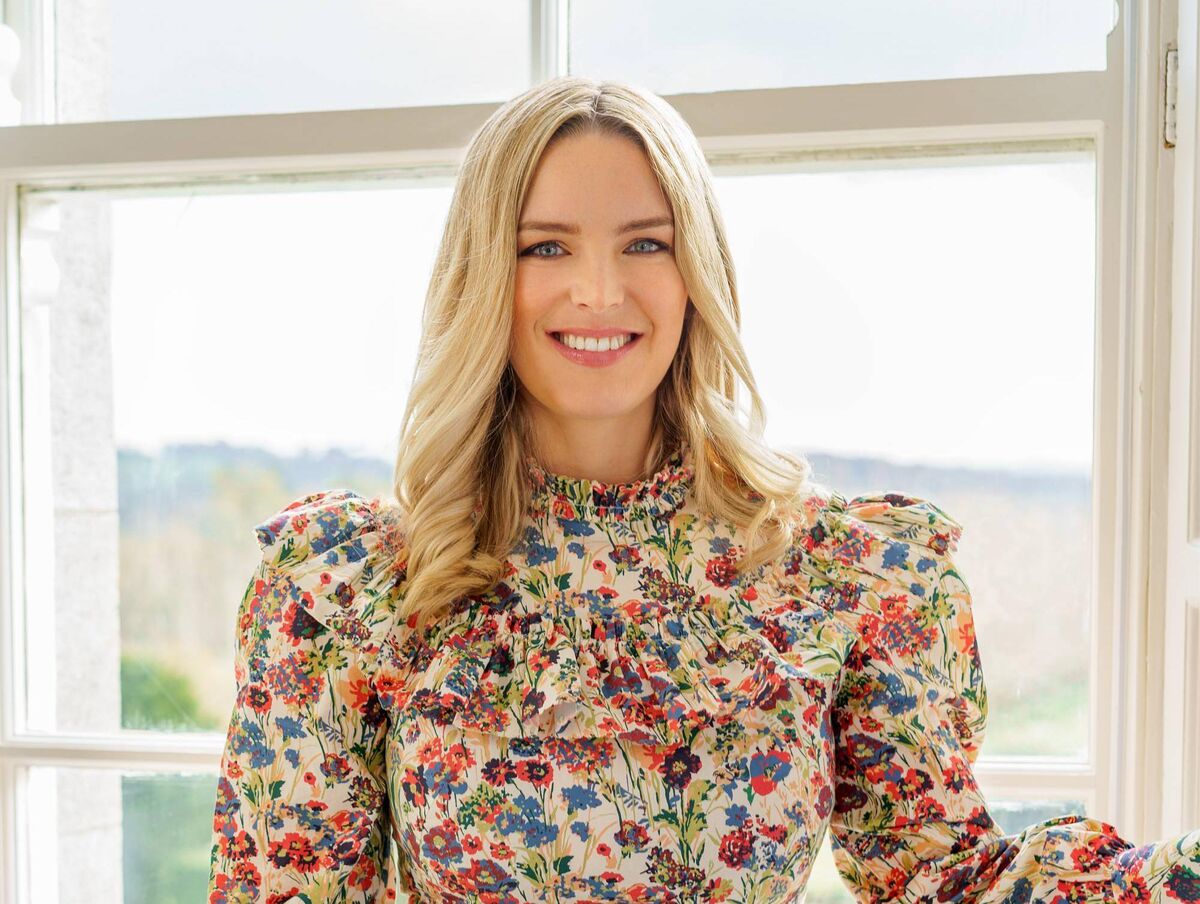
Suzie was intrigued by the individual approach of the home-owners. “You might go into a space that I personally wouldn’t design in a million years, but you can see there’s something so joyful about it or there’s a wonderful atmosphere there.”
You can be won over by a home’s personality, she says. “Because it’s ‘home of the year’, the criteria is very different to ‘design of the year’. It’s about the individual homeowner rather than everything being designed in a particular way.”
Hugh is astounded by the skill that people show. “They’ve thought about everything. Sometimes when you look at a home initially, you think someone opened the door and threw everything in but that isn’t the case.”
He says that in one home, the owners had put a piece of wallpaper in a frame. They had upcycled a fabulous drinks cabinet and put the same wallpaper on the front of it. The wallpaper was used again as you went up the stairs and then you saw it in the curtains in one of the bedrooms. “Somebody had thought in great detail about consistency. It all looked chaotic, but it wasn’t and that was what made the home, it worked. That was one of the homes that I just said, ‘wow, amazing’
Hugh’s own criteria for a winning home is whether he can put his coffee cup down without a coaster appearing. “Sometimes it doesn’t come across on the cameras as to why you gave a score. But that’s because you have a feeling in a house.”
A home tells a great deal about the personality of a family, he says. “It’s an extension of the personality of the family or that’s what it should be.”

These days we are using our homes more than ever, they are no longer simply our sanctuary, but places where we work, study and exercise.
Amanda is certain that Covid won’t put paid to open-plan homes but says that the design only works if you’re able to close off or have separate spaces.
She recently saw a refurbished house in which the owners had cleverly installed a temporary stud wall that divided off a small area of the living room to create what looks like a home office.
You need to have spaces that are flexible, says Hugh. He is currently working on a two-bed house and the owners have put a wall-bed in the second bedroom, so it doubles up as an office. “When you think of wall-beds, you think it will be horrible, but that’s all myth. They can look like a panelled wall. Then, all of a sudden, you’ve gained that space.”
Amanda’s own home office is separated from her house by a sliding door, which she says provides a “mental and physical separation and I don’t have to go in there for the rest of the evening or the weekend”.
A family home does need dedicated spaces, says Suzie, adding that acoustics are crucial. “It doesn’t have to be about building full walls and blocking light. You can look at zoning space through materiality, it could be the choice of rug, it could be higher-backed furniture that creates little nooks within a room. It’s about redefining the usage and the proportions of furniture and materials that you put into a room.”
The impact of Covid means that, as a society, we need to reimagine how we work, rest and play, says Hugh. “The ramifications of it are much more fundamental than whether you have an office desk or chair in your house.” He thinks that a reconfiguring of how we live and work could actually “liberate the dying towns and villages of Ireland”.
is on RTE One at 8.30pm on Tuesday
“Measure everything before you buy. That is something I’m very guilty of. I see something and I’m, ‘oh, that’s amazing, good price, buy’. Then you realise it’s not the right size. Even as an interior designer, I’ve been known to do that quite frequently, but if you do get carried away, the joy with furniture or art is that maybe it wasn’t perfect in the space you imagined, but you use it in a different room.”
She believes that now we will really embrace tactility in “a move away from leather or fabrics that are quite cold” and there will be a real focus on quality. “It’s worth investing in one or two key pieces you’ll be using every day. They do impact your routine.”
“People always get afraid of painting things because they can look gamy after you’ve painted them, but there are companies that will respray your kitchens or pieces of furniture that you hate the colour of. That to me is a quick win, along with painting.
“Get away from the magnolias and off-whites and experiment. A great area to experiment is the hall because so many times it’s the last place to be done. But if you start by painting the hall and being brave in there, it will assist you in setting the tone for the house.
“You’ll see great examples of amazing hallways in this series that are painted in absolutely bonkers colours.”
“Stay away from trends, and don’t be afraid to go for what’s right for you. If you design a home that works with its orientation and works with the daylight, there should be a corner in every room that could be changed into a desk space and given good light.”
If you’re looking for a quick fix of inspiration after watching the show, Amanda suggests dimmable lights, which provide a lovely atmosphere. “You can change the paint colour on your walls, you can look at the furniture layout. Are there too many pieces of furniture in the room? Look at the lighting. And declutter.”

CONNECT WITH US TODAY



Be the first to know the latest news and updates