Secret Diary of an Irish Teacher: Music helps learning, improves mood and behaviour - we need more in our schools
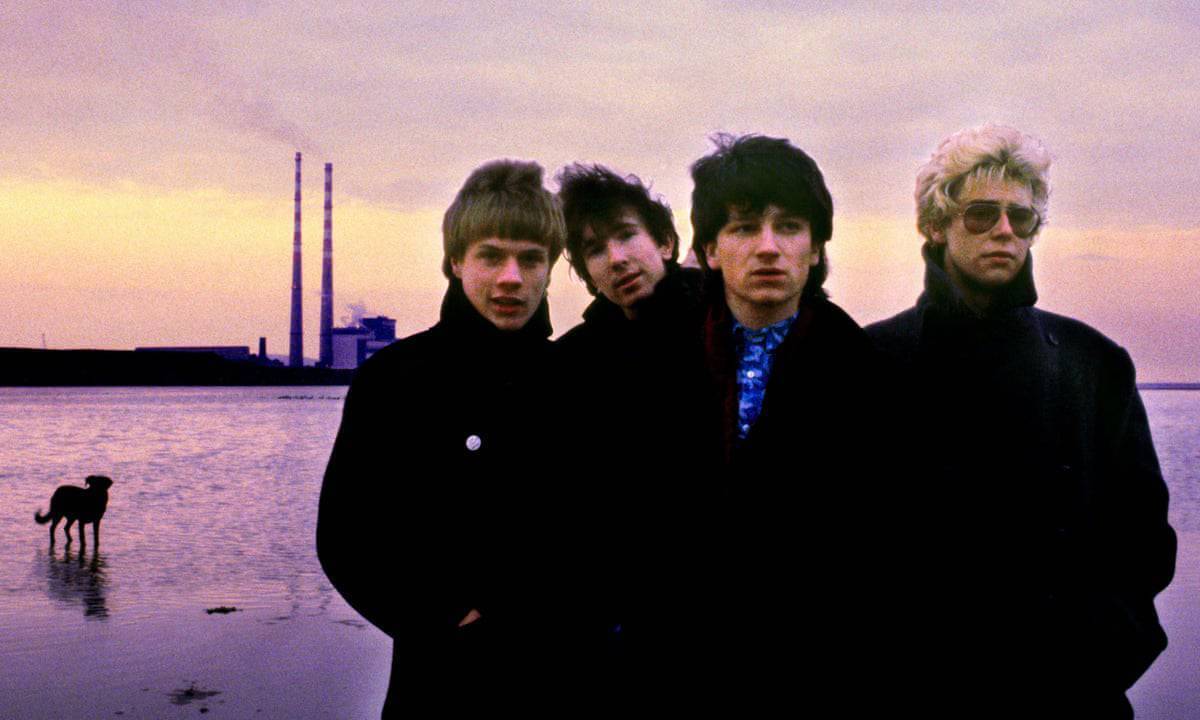
U2 on Sandymount Beach, Dublin in 1980
Last week, my school was given a real treat when students performed a little concert in the corridor.
Covid-19 and the quotidian morning gloom that hovers above teenagers seemed to vanish. Masked and motionless, we stood in awe of their combined talents. Our necks straightened and our eyes glistened, as we were drawn together by powerful young voices — charged with our shared emotion.

All before 9am.
It added to my conviction that we need more music in our schools. And it shouldn’t be hard to make it happen.
It is universally true that music means something to people. It’s where our humanity lives, where it ebbs and flows across notes and harmonies. Its power is limitless, unrestrained by time or language. It’s what we turn to when we want to celebrate, reflect, connect, or grieve. It’s accessible and relatable.Â
As an English teacher I am passionate about poetry but even I can see its limits. And yet, poetry is a compulsory component of every Irish child’s education. Why? Who gets to say so? How are we satisfied to have music as peripheral knowledge, swept aside by Shakespeare and Yeats? It seems snobbish to me. It doesn’t make sense.
While children can have serious difficulties with numeracy and literacy, music is known to help learners, to increase our executive functioning. Studies have found that children with autism and other diagnoses often have hidden musical abilities despite challenges in non-music functioning. Music is proven to reinforce academic material and to promote psychomotor skills. Social skills can also be enhanced through music.Â
Anecdotally, I know music teachers who use their subject knowledge to help those struggling academically and socially. For all students, it can reduce anxiety and improve mood and behaviour. I saw that happen last Friday. I want to see it more often.
Other countries do music better.Â
In 2012 Switzerland changed its constitution to provide every child the right to musical education. The right. And why not? If we are genuinely interested in children expressing themselves, finding themselves, then why would you not hold music in as high esteem as we do poetry or drama?Â
Other countries, such as Sweden, have a vast network of municipal music and arts schools. Lessons occur during and after school hours at low cost to the students.
What happens in Ireland? Kids with money pay for outside tuition. And they pay more than most can afford. Many schools, with equally feeling, equally talented students, are locked out of the joy of further musical study.Â
Only privileged students enjoy the option of music at Leaving Cert; 50% of their grade pertains to performance. This provides a considerably softer landing than most subjects, especially if your parents have been paying for you to receive music lessons since junior infants.
There are some options for not so wealthy kids. Music Generation does incredible work in our cities and there are some opportunities through Youthreach or state-funded schools that cost less than private options. But the waiting lists are long. One music teacher I chatted with compared it to our health system — you’re better off going private if you can.
This might seem like a small matter but I view it as a gross injustice. It’s also a hefty oversight of Ireland’s most precious natural resource: Our poeticism and our song. I’ve heard it said that the UK is the most musical place in the world. Really? One tiny scratch at the surface and you uncover an Irish pulse running through the veins of their music industry. It’s astounding. Will I bore you with some names? I will.Â
The Pogues. Kate Bush. Dusty Springfield. The Beatles. Oasis. Elvis Costello. The Smiths. The Sex Pistols. This is on top of our more obvious homegrown exports like Van Morrison, Christy Moore, Sinead O’Connor, and U2.
On every level it makes sense to give children more access to music in Irish schools and throughout their school experience. And it doesn’t need to be difficult. If we offered every child a musical hour, regardless of choosing it as an exam subject, we could also employ more music teachers.Â
We need more music teachers and more artists in our schools to unlock the creativity of our young people. These artists need paid employment. They need to know how important they are to us. Especially now.
If any future student desires further musical training, these music teachers might then establish an after-school programme with lower fees, avoiding the high rents and set-up costs of existing music schools. This might break the class divide considerably. When you can play in a string quartet, your address is less defining.
And music doesn’t need to be an expensive investment. Children can learn the basics on inexpensive instruments like ukuleles and recorders. Keyboards are affordable. Our voices come for free.
My child is beyond lucky to have a primary teacher who shares his love of music in the classroom. My son was taught by two passionate teachers last year who happened to be musicians. They encouraged children to play instruments at the back of their room. It reminded me of the time my lecturer in UCC played 'Wuthering Heights' on a record player in the lecture hall. Pure magic.
We all have such memories. What we need are more guaranteed opportunities to make them.
Oh, and did I mention Bowie was part Irish?
Of course, he was.