Teacher Niamh McKenna opens up about her struggles with social anxiety
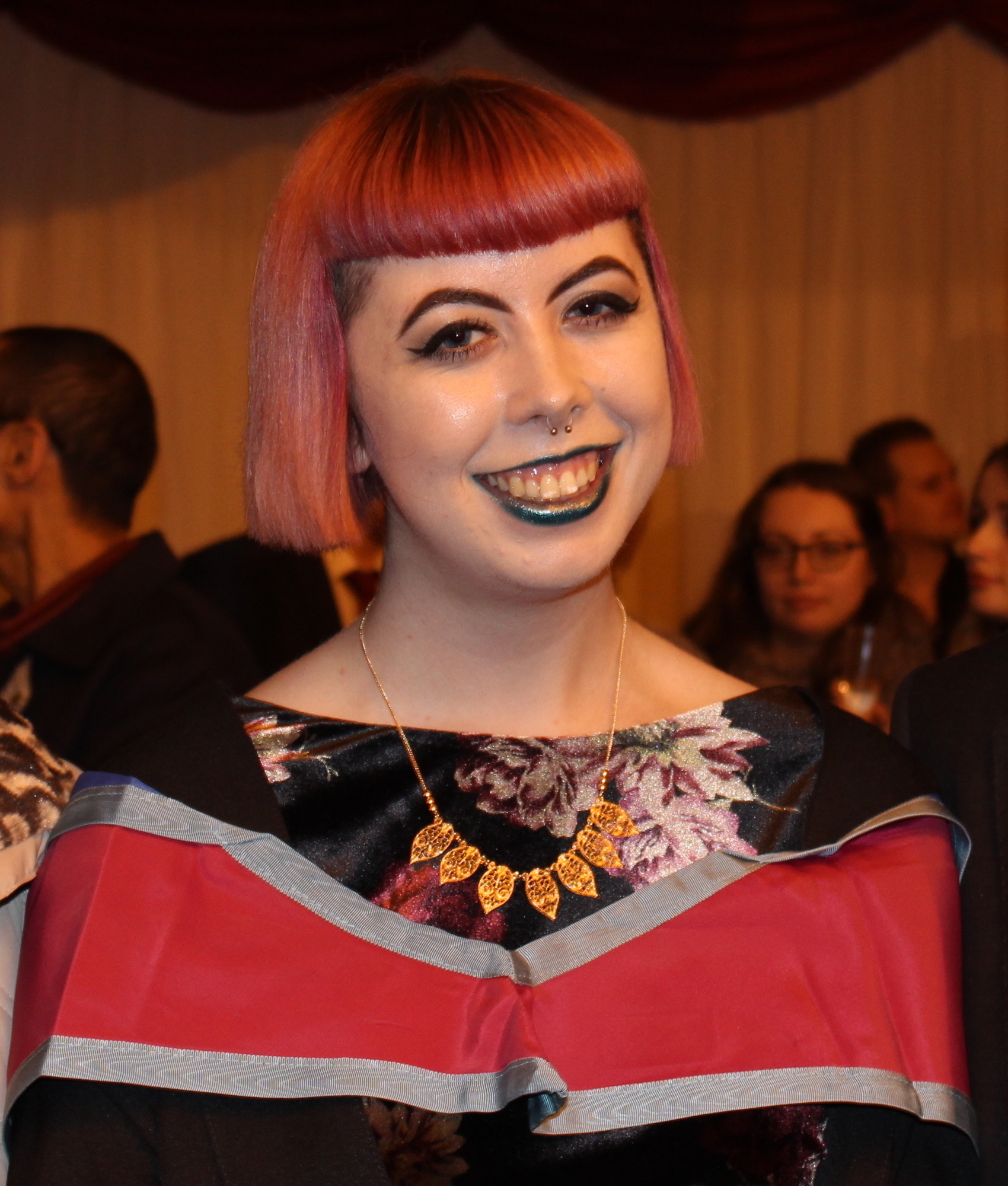
Niamh McKenna, support buddy with Aware.
Niamh McKenna couldn’t understand what was wrong. She was 17, living on campus, her first year in DCU and she didn’t want to do what other college students were doing – go out socially, make friends.
“I was too nervous, too scared. I had this real intense fear of being out on my own. I felt very alienated from everyone,” says the now 25-year-old after-school teacher.
Originally from near Dundalk and a “very secure family unit” of four siblings, she believes nobody says how difficult the transition can be: moving away from home and becoming an adult. She had her own room and shared a kitchen with another student. “I didn’t have any dealings with her – it was very much small talk whenever our paths crossed.”
There were days she stayed in her room instead of going to classes. “My energy levels were so low I couldn’t physically get out of bed. I opted for quick meals so I wouldn’t have to be in the kitchen and maybe bump into someone – I just wanted to be by myself.”
Her friends from home were in UCD, staying in Dun Laoghaire, and she confided in them a little. “They told me my college would have a free doctor and advised me to go. It took a while – when you’re in that space, reaching out’s the last thing you want to do. You don’t have the energy.”
Four months in, Niamh eventually sought help after Christmas. “I saw all my peers enjoying themselves. I wanted to be how they were, to be carefree. And my friends were still pushing me to get help.”
Recovery was no straightforward, linear process. The college GP prescribed an anti-depressant but it took time to get one that worked. “I felt so young to be relying on medication, but I thought if it’s going to make me feel better, I’ll go for it. I’m not sure it ever really helped the way therapy and talking did.”
She struggled at first to open up about her mental health. “I never had before, aside from bits and pieces with my friends. It took a while, but I definitely got better.” And while she still experiences social anxiety, she has ways to manage it. “If I feel anxious about going out, it doesn’t mean I stay home. It might be anxiety-inducing but I will cope.” Meditation has helped and so has reading up on – and becoming knowledgeable – about mental health. “I have words for it – I can articulate what I’m feeling and why I’m feeling a certain way.”
When anxiety strikes, she does breathing exercises. “When you’re anxious you don’t even realise you’re holding your breath or breathing shallowly. A lot of anxiety is around jumping forward to the future or thinking about the past. When I’m able to ground myself in the present and connect with what I’m doing in the moment – instead of my mind racing – I can rid myself of anxious feelings.”
Niamh has been volunteering with mental health organisation Aware (on their support line) for about a year now. “I wanted to, once I was in a good place with my own mental health, but I had to work up the courage to contact Aware and do the training.” Once Covid-19 hit, she became an Aware support buddy, checking in with other volunteers after their shifts. With volunteers now working remotely and not having the in-office presence of other volunteers, it can be difficult when you’ve had a challenging call. “You really need to talk it through before moving on,” explains Niamh, who says her training and work with Aware has helped her grow in confidence, empathy and listening skills.
“It has changed the way I talk to friends and family. In conversation, I try to be more open with them on a personal level. I’m able to pick up on things they say that suggest they’re having a hard time or they need a chat.”
With World Mental Health Week running this week, October 5 to 11, Aware is reporting a 60% increase in calls to their support line (with peaks of over 80% in April, May and July) since Covid-19 emerged. And anxiety, previously second to depression, became the main reason for calls in late March and through April. Dr Claire Hayes, consultant clinical psychologist and Aware clinical director has seen different stages in our collective processing of Covid-19.
“In March/April, people were experiencing shock, upset, fear. As time went on, everybody sort of settled. There was a sense of ‘we’re in this together’. Coming out of lockdown, people experienced anxiety in a different way – re-entry anxiety. Those who’d locked down completely had been feeling comfortable and safe – it was a big step to go shopping for the first time, to get in the car and buy petrol,” says Dr Hayes, author of several books on mental health, including audio-book How to cope: The Welcoming Approach to Life’s Challenges.
Schools re-opening and the current challenge of living with the virus while trying to protect ourselves have been other key junctures in the Covid journey. And anxiety, a normal physiological response to perceived danger, is very normal at this time, says Dr Hayes. “It’s normal for anyone of us to feel anxious, with all the ‘what ifs’ – what if I get it, what if I pass it onto somebody I love.”
She says to manage anxiety it’s important to acknowledge what we’re thinking, feeling and doing. And then to ask four questions: Do my feelings make sense? Are my thoughts helpful or unhelpful? What do I believe? Are my actions helpful or unhelpful? “Put this together in a coping sentence: ‘I feel scared I’ll get the virus because I think I’m bound to, but I choose to talk to my GP and take good care of myself’.”
- Visit: www.aware.ie


CONNECT WITH US TODAY



Be the first to know the latest news and updates