Crime and punishment: teaching our children about the law
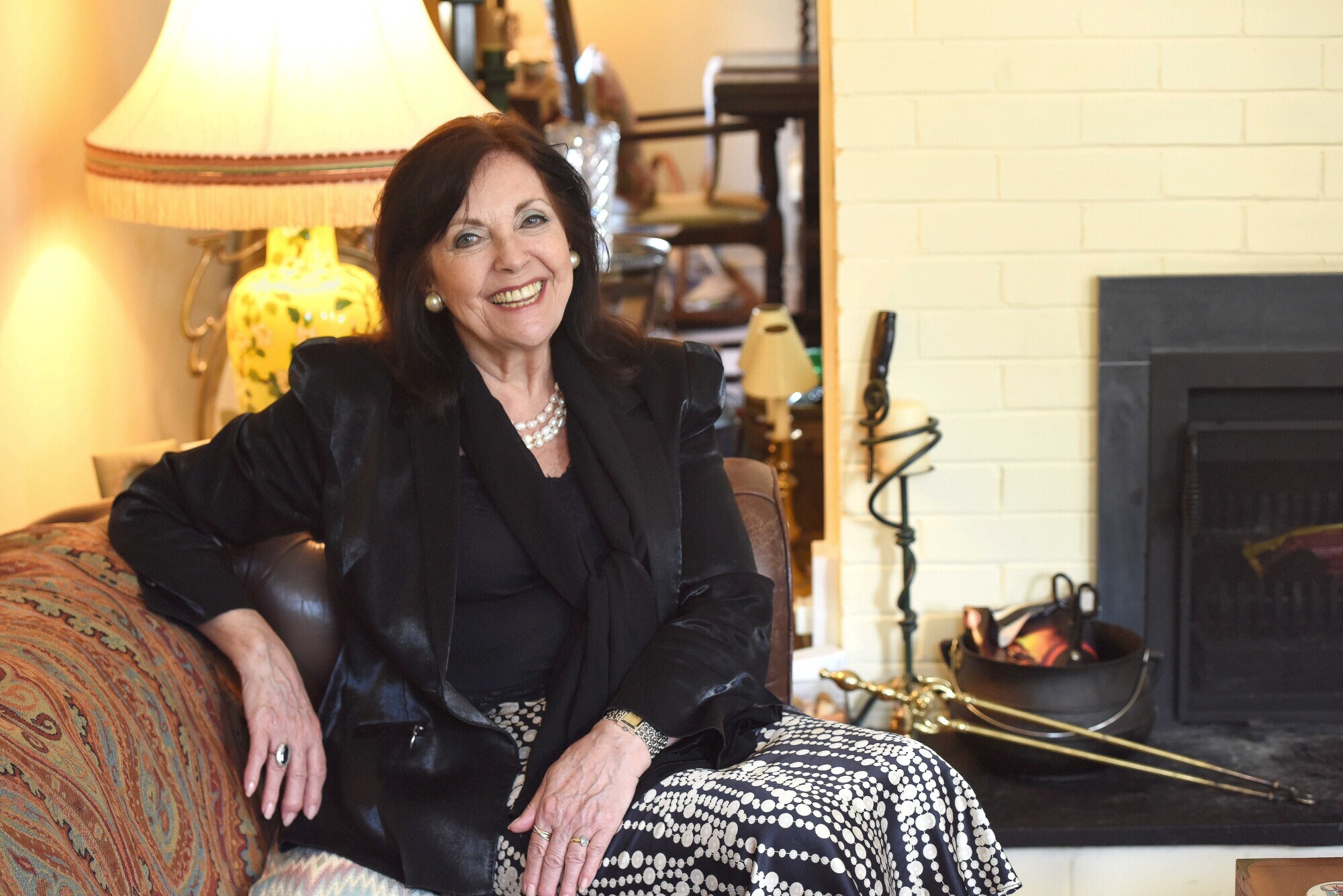
JK Rowling’s is the unlikely inspiration for the debut book by barrister and former Insurance Ombudsman Paulyn Marrinan Quinn.
She was chatting to her then nine-year-old granddaughter about the young wizard’s adventures and she thought that if young minds can understand JK Rowling’s convoluted plot, then maybe they could understand some of the finer points of law.
Paulyn had first considered writing a book in 2016 when she was recovering from several pelvic fractures sustained from a fall. She felt that the world was in such upheaval, it was essential that the book should be written in a way that would appeal to a generation who is interested in social justice.
She wants them to think about law, “not as something that gets you into trouble if you park on a double yellow line, but something that touches their daily lives”.
Her grandchildren made the perfect marketing focus group. “From a very young age, my grandchildren have asked me questions about how the law works, how police officers behave, how judgements are made on people who commit crimes, and so on – as my own children had done before them.”
Her son made her promise never to become a judge because he didn’t want her to send people to prison.
During her career, she was the first Insurance Ombudsman in this country and was subsequently appointed as founding Ombudsman for the Defence Forces.
In writing , Paulyn wants to encourage those as young as 12 or 13 to think about crime and punishment, youth justice, the revolving door concept, restorative justice principle and widening access to justice through mediation processes.
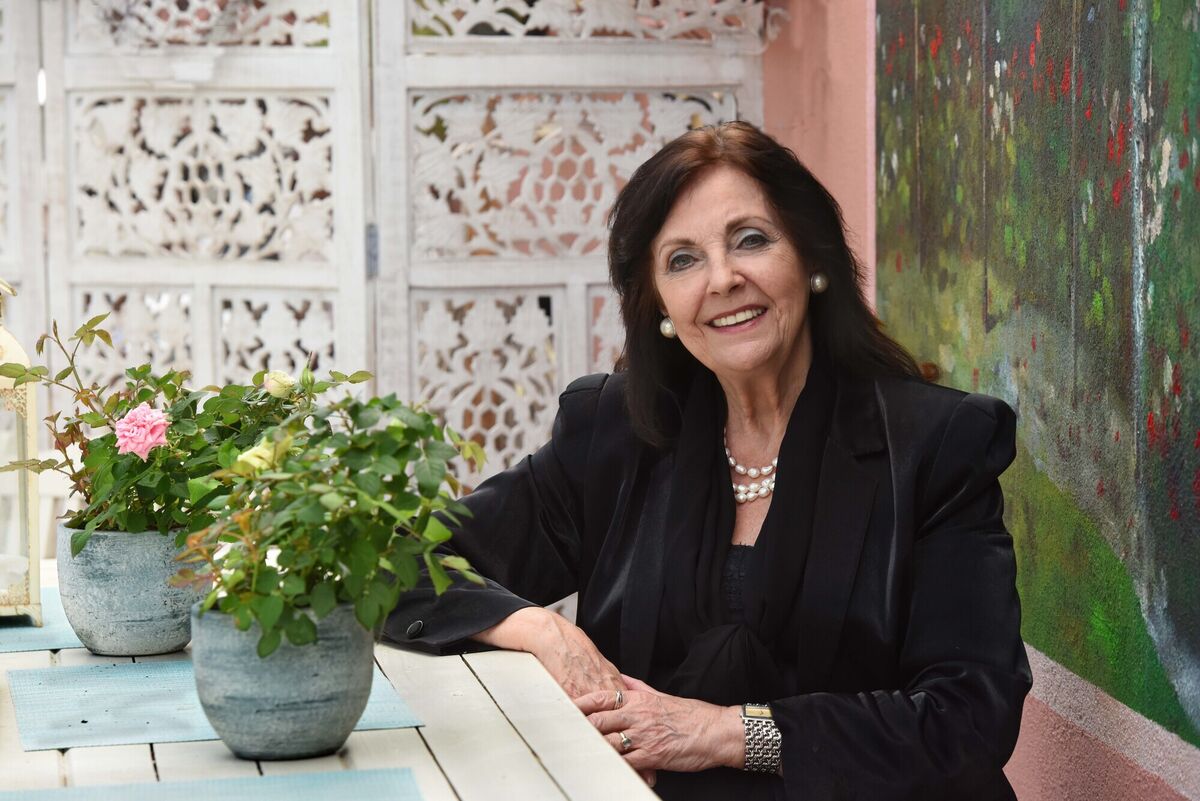
Her nine-year-old granddaughter proved to be a useful sounding board. Paulyn told her about a list of proposed topics, and she says that when she came to the section about police forces and their relationship with communities, she asked what about ‘baddie policemen’.
The title of the book is a homage to her grandchildren who call her ‘Mumu’ and who inspired her to write it. Her granddaughter also inspired her to complete it after sending her a text message, prompting waves of guilt when she told Paulyn that she wanted to review it.
“I can’t live with guilt and I thought if I die, they’ll just remember that I never finished this book – this is the opposite of what I’ve taught them, which is 'always finish'. If you want Paulyn to do something, load on the guilt, my friends say.”
Paulyn spoke to publishers and agents but it wasn’t until Covid-19 reached Ireland that she was inspired to publish the book herself. A combination of circumstances meant that she would be on her own throughout lockdown.
“In the week after the schools closed, I just thought, oh no. I have two children, I lost a little boy in between the two, so I have my daughter who has the little girls and I have my son who is a good bit younger. They are my life and I’m not going to be able to see them or hold them or touch them. Something made me look the manuscript and I just thought actually you could make that happen.”
So she did. She also recorded an audio version of the book and a series of podcasts, which she says enabled her to address current political issues, such as Black Lives Matter, in a more grown-up fashion.
Paulyn says that while she was mindful of the age of her audience, in her podcast, she talks about George Floyd and the need for community policing. She discusses the difference between what the police do - explaining that Garda Siochana means ‘guardians of the peace - and what it would mean to have military on the streets.
She wants to get young people thinking and to be curious. In ‘What Does Law Mean, Mumu?’, the character of Mumu guides a group of young people on an adventure-filled tour of Dublin, explaining various aspects of law along the way.
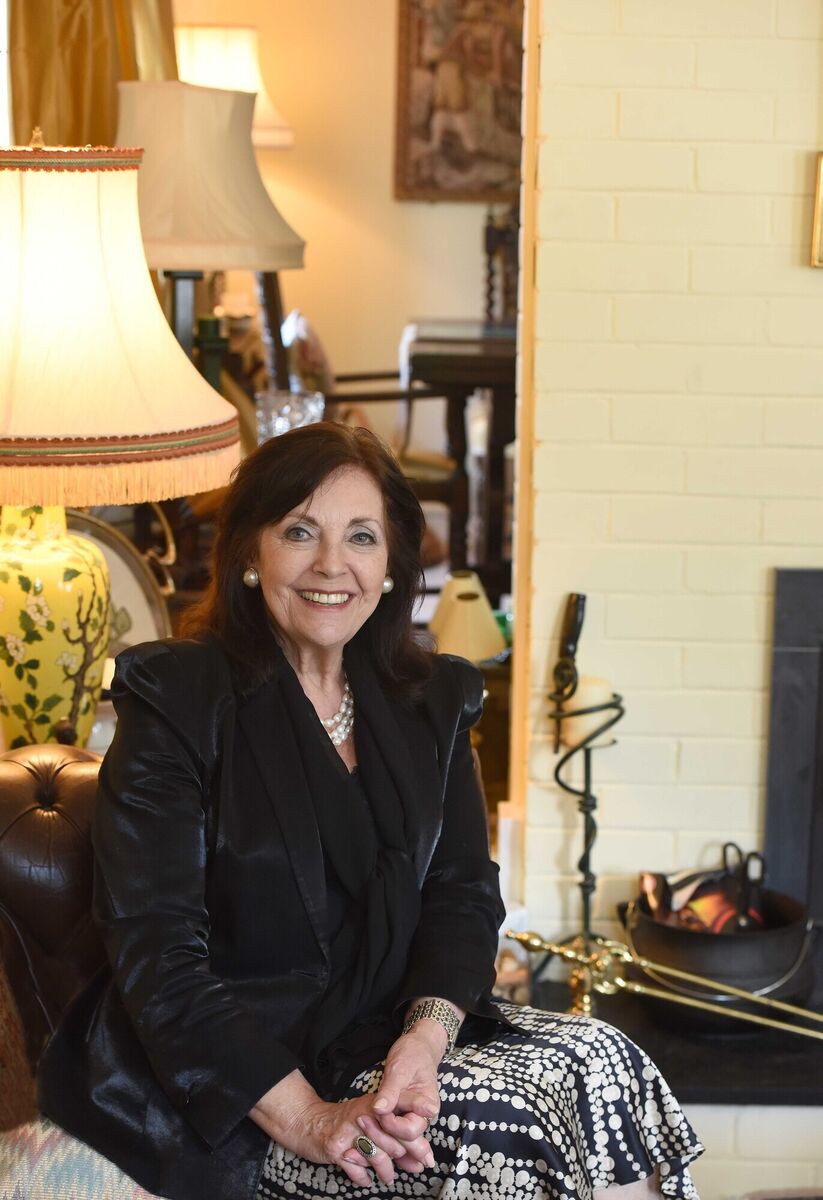
Paulyn is alarmed by the prevalence of groupthink, social media, fake news and the manipulation of facts by politicians. She believes that the harvesting of data is a very sinister way of drumming up fear.
“The law is what protects us. It’s the scaffolding around the democratic process and you need to know about that because you need to know what these people who are trying to manipulate it are doing, and you need to understand that, yes, sometimes the wrong person gets in."
She says that this can be because people made the wrong decision when they vote or the facts have been manipulated or social media data and information have been harvested to target the 'don’t knows'. "But [the wrong person] is only holding the keys of that office for a while and there are ways and means of uprooting him.
“I feel that children now growing up are at great risk of putting their hands up and saying it’s all a mess and forgetting that the law is a critical part of what keeps us going and our whole administrative processes and our election processes.”
She has yet to receive the most important review, her oldest grandchild still hasn’t read the book, but Paulyn is on the case.
CONNECT WITH US TODAY



Be the first to know the latest news and updates