A mum at 18, a mum at 38: How motherhood was different for us
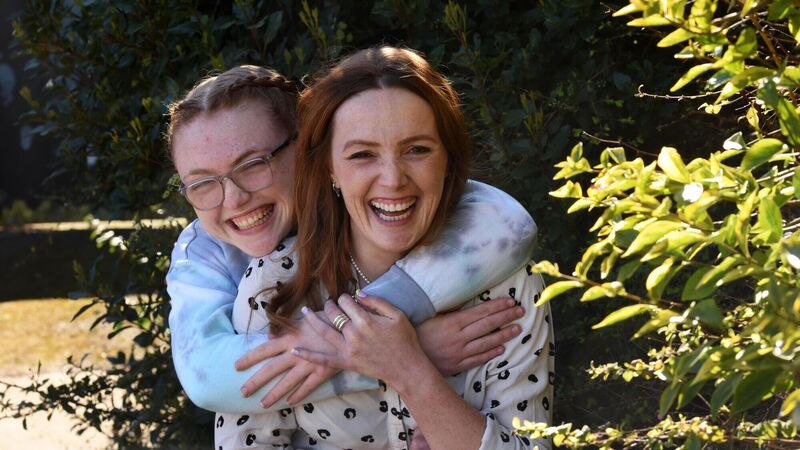
Comedian Emma Doran and her daughter Ella: 'Ella saw everything. She was at my college graduation, she remembers me starting in comedy.' Picture: Moya Nolan
I sat down with comedian Emma Doran and actress Rachel Sarah Murphy, best known for her 16-year stint as Jo Fahey in , to do just that.
Motherhood is a tapestry of lived experience, woven with love, uncertainty, joy, and plenty of challenging moments. It is an evolving identity, shaped by growth and adaptation.
Nobody can definitively define it, yet lots of people feel entitled to comment on it. Become pregnant young and the judgments can be swift: You’ve ruined your life. Choose to become a mother later and the refrain changes: Don’t leave it too long or you’ll be left on the shelf.
Representing opposite ends of the spectrum when it comes to entering motherhood, the experiences of Doran and Murphy do not mirror each other, but they rhyme, revealing how motherhood, regardless of age, carries its own expectations, pressures, and transitions.
Emma remembers fearing how her mother might react; Rachel recalls the relief of finally meeting her mother’s expectations. Each carried that maternal expectation, simply from opposite directions.
Their paths into pregnancy could not have been more different. Rachel’s was planned, approached methodically, and with hope. Emma, by contrast, had only planned a fun summer in Wexford. Yet certainty followed swiftly for both — and neither would change a thing.
Support came in different forms. Emma returned home to the steady presence of her mother, who fed her, helped with the baby, and anchored her through the early days.
Rachel, meanwhile, tells how she was supported by friends and colleagues after she became a single parent. “My work crew were amazing throughout. It was lovely, they just enveloped me with love and protection.”
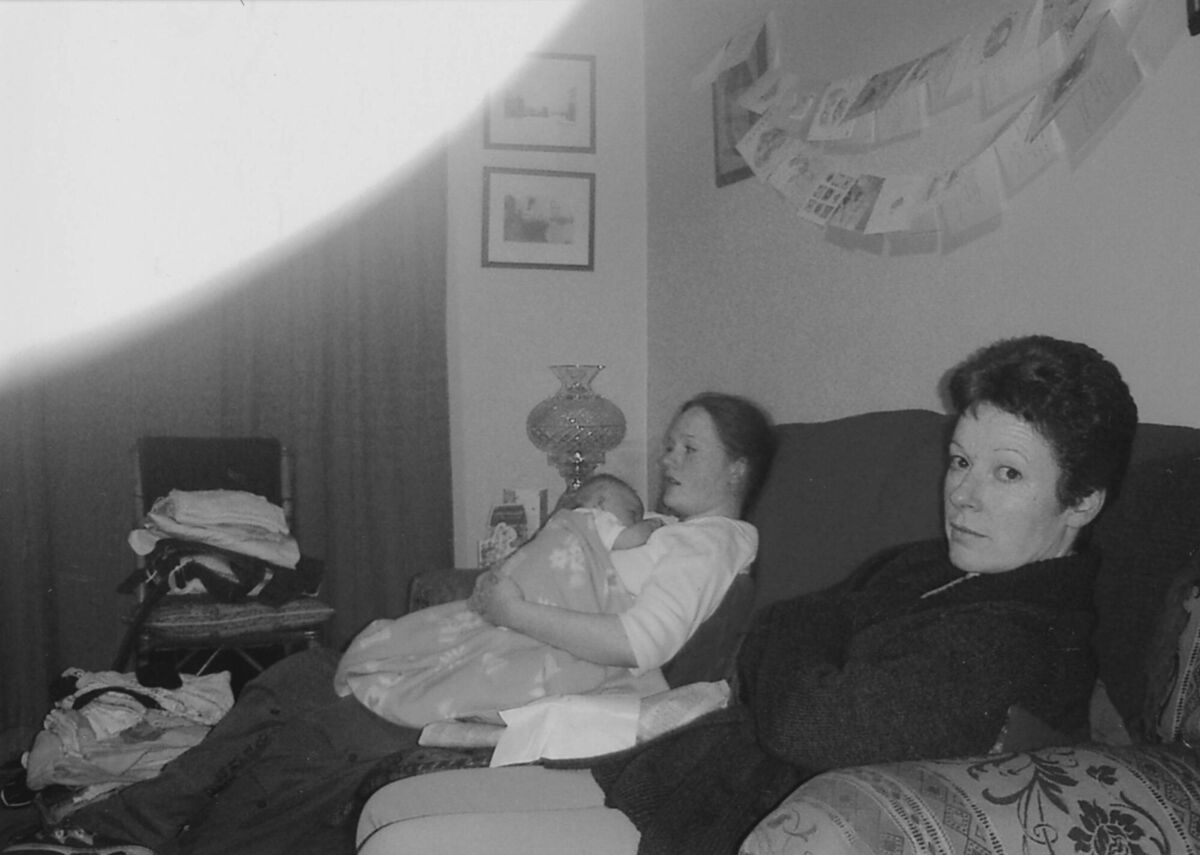
The early days of motherhood rarely resemble the idealised version often imagined. Emma laughs now at her first impression of her daughter, Ella: “She was massive and messy.” Rachel recalls something similar: “I didn’t fall in love with Lolly straight away. I just thought, ahh, baby, baby.”
Rachel echoes the sentiment: “We’re so close. It was me and her against the world, and it still is.”
Mothers and babies forged an unshakeable bond. Emma tells how she has grown up alongside her daughter, reflecting: “I’ve never been an adult without being a parent.” Motherhood did not erase ambition; it reshaped it.
Rachel, who had worked hard to build a career she loved, found herself willing to loosen her grip on it as motherhood reordered her priorities.
Emma’s sacrifice was social rather than professional. While her friends were going out, she remembers almost acting like Cinderella. “I’d go, hold the odd flirty gaze, kiss a lad, and then disappear off home,” she laughs. Dating simply wasn’t on her radar.
Emma sat her Leaving Cert just 13 days after giving birth, determined not to fall into a cycle of financial precarity. Asked where the strength came from, she replies: “It was a psychological thing, I thought, if I can just get myself a degree then I won’t have made a total mess of my life.”
Rachel, meanwhile, navigated motherhood with the security of an established career, yet with no less emotional weight. Their starting points were different, but the resolve was the same.
Emma does not frame her story as exceptional, but she does recognise the privilege within it. In her family, education was expected, not questioned.
“I was lucky. For others, there’s pressure to leave school after the Junior Cert and do an apprenticeship. Without support, you can do it later in life, but you always feel like you’re playing catch up.”
Which is why she believes clearer pathways and strong supports should exist for young women navigating pregnancy, alongside education. “If you’re a single mother and you haven’t finished your education, you’ve no qualifications, skills, I can see how you could get stuck in a poverty line cycle for 20 years,” Emma says.
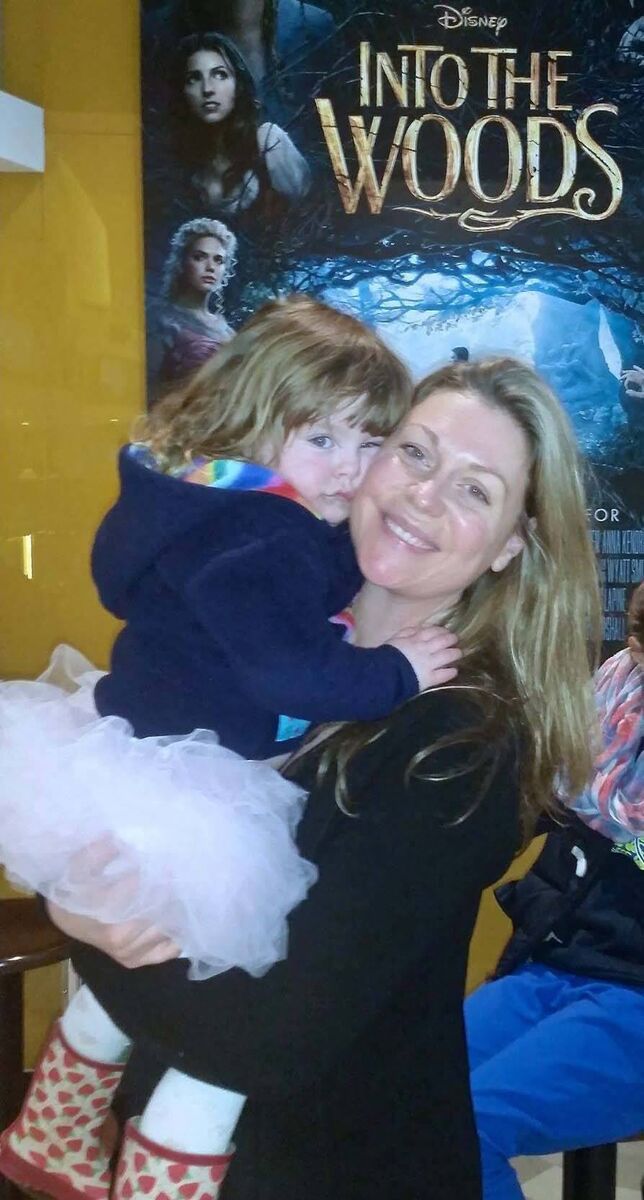
Rachel, meanwhile, turns the lens on the opposite end of the timeline. “I would urge people to wait. Go live your life, be naughty, go see things,” she says.
“When the thought of not having a baby is scarier than having one, that’s when you know you’re ready.”
Motherhood doesn’t come with a manual. And every woman’s experience is unique. For Emma, motherhood demanded steel. But for Rachel it requested stillness.
When I ask Emma what she would tell her younger self, she laughs. “I wouldn’t tell her anything because she wouldn’t listen.” She pauses, then almost sheepishly adds: “Maybe be kinder to yourself,” before quickly retracting it. “I was very hard on myself, but I also think I needed it, it drove me on.”
She attributes her achievements both to the support of her family and to the self-critical teenager who refused to allow pregnancy to derail her ambition.
Rachel recalls the early days of motherhood as a period that required her to relinquish control, remembering being reprimanded by a doctor: “You can’t be looking through the daybook, you just had a Caesarean section.” While Emma found tenacity, Rachel discovered tenderness.
“I remember the first night,” she says, “everyone had left; it was just me and my baby. There was a light shining into the room above the door, I looked at Lolly and promised, ‘I’m going to love you forever, and I’m going to show you the world’.”
Motherhood is a journey, both rewarding and challenging, irrespective of the age at which it begins, or the scrutiny that so often surrounds it.


CONNECT WITH US TODAY



Be the first to know the latest news and updates