Dr Phil Kieran: Could my hockey-playing teenager have tennis elbow?
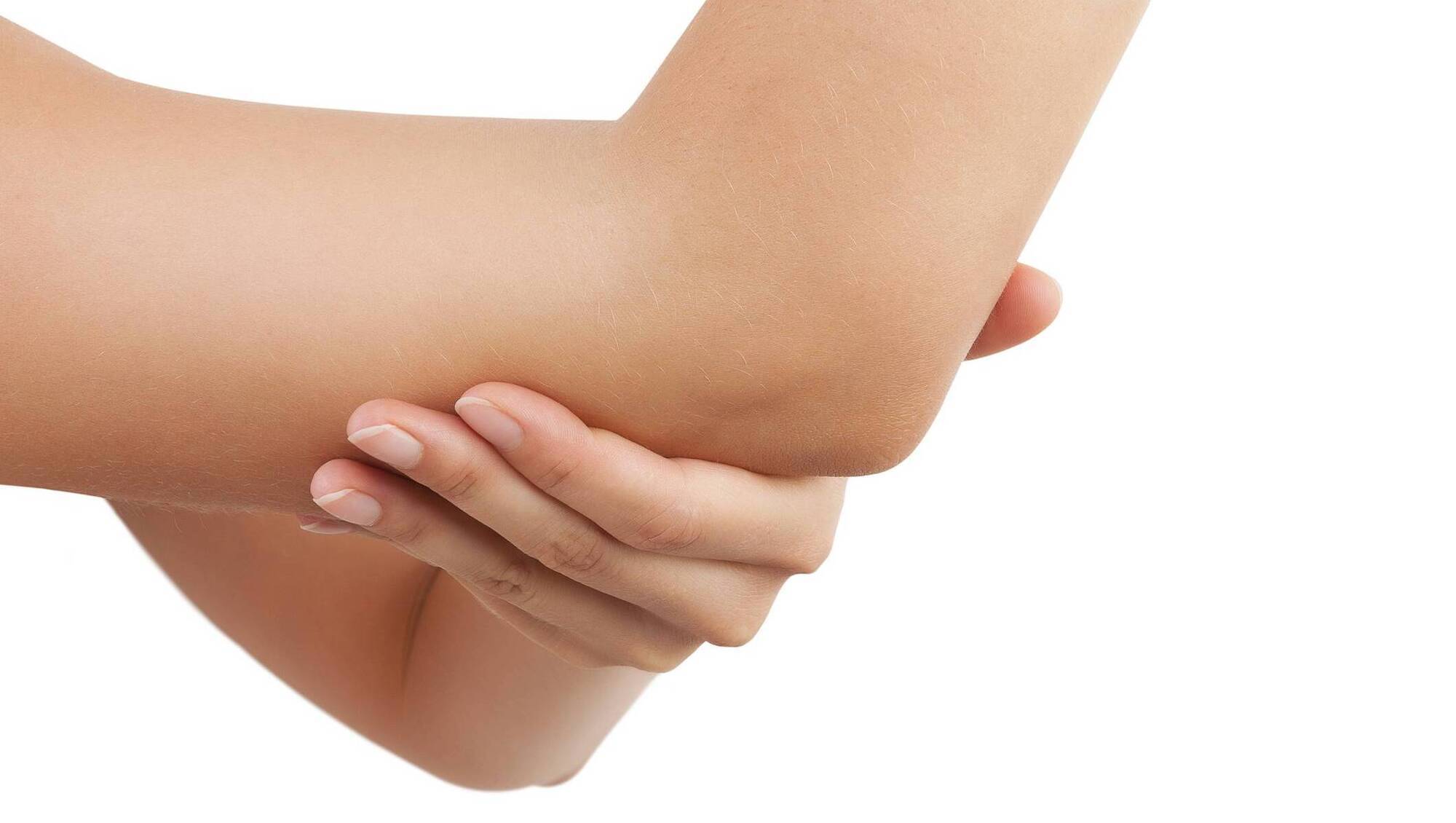
Tennis elbow is an inflammation of the region of the elbow where the muscles responsible for certain hand movements attach. This will cause pain, usually in the forearm, where it meets the outside of the elbow. Picture: iStock

Pain in the arm when gripping things could definitely be tennis elbow but there are a few other problems that could be going on here as well.
The first thing to rule out is an injury to the bone. This would most likely occur following a fall or impact. If the pain started after an impact, I would recommend going to see a doctor as soon as you can, as an X-ray may be needed to rule out a small chip or crack in the bone.
If there is no history of injury to the wrist or forearm, we need to examine exactly where the pain is and which movements make it worse to understand the source of the problem.
Tennis elbow, or lateral epicondylitis to give it its medical name, is an inflammation of the region of the elbow where the muscles responsible for certain hand movements attach. This will cause pain, usually in the forearm, where it meets the outside of the elbow. This injury happens with overuse or overtraining and will be very sore if the person tries to extend their wrist (moving the hand backwards) with their elbow fully straight.
Medial epicondylitis, or golfer’s elbow, is essentially the same problem but on the other side of the elbow joint. This is the side of the elbow closest to the body when your arm hangs at your side. If this is the problem, your daughter will have pain when she tries to flex her wrist with her arm fully extended.
When doing either of these tests, you should push back against her hand when she tries to move the wrist.
Another problem we see at the elbow that can cause pain is olecranon bursitis, also known as student’s elbow. This is mainly caused by leaning on the elbow, for example, when reading or writing at a desk. This can cause pain with gripping items but more commonly will cause swelling in the elbow and pain when the elbow is pressed against anything.
For either tennis or golfer’s elbow, the treatment initially is very similar. If she has a normal range of elbow movement, we wouldn’t usually do any further tests, such as X-rays, MRIs, or ultrasounds. She will need to take a break from sports using her arms until the pain settles down. Then she may need to work on strengthening exercises to prevent it from returning.
Compression, for example, with an elbow support, can help, and there are devices known as epiclasps that apply pressure on the area and can provide pain relief.
If the pain is not improving in a week or so with full rest, get her seen by a doctor to ensure there is no other problem causing this.
If you have a question for Dr Phil Kieran, please send it to parenting@examiner.ie.

CONNECT WITH US TODAY



Be the first to know the latest news and updates