The first 1,000 days are crucial in shaping a child’s life
Development begins at conception, and the early years are critical. A safe, nurturing and stimulating environment helps children thrive 
The first 1,000 days are crucial in shaping a child’s life

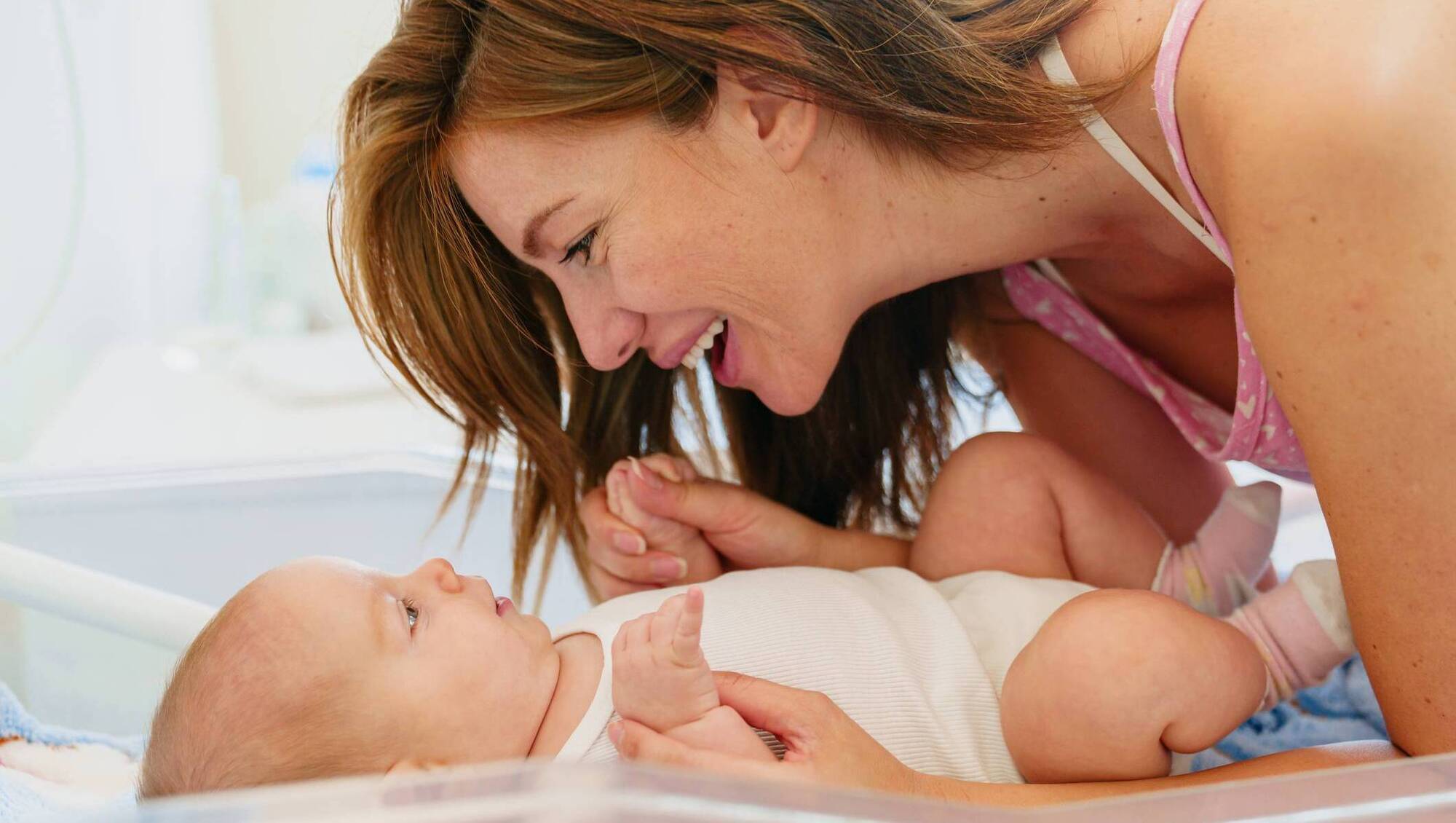
Skin-to-skin contact regulates a baby’s breath, temperature, and heart rate, and deepens the parental bond. Picture: iStock

THE first 1,000 days of life — from conception to the second birthday — are critical for shaping lifelong wellbeing. But how can you get your baby off to a great start?

We asked six experts in nutrition, sleep, play, speech and language, and emotional wellbeing to share tips.

1. Feed babies when they’re hungry

Babies are intuitive eaters, says Dr Colette Reynolds, health psychologist and founder of Growing Healthy Eaters. 

“Be aware of what their behaviour is telling us: If they’re pulling away from a bottle, or don’t seem interested in feeding anymore, they may be saying they’re full. Being aware of, and responding to, these hunger and fullness cues increases chances of a positive relationship with food later, as well as secure attachment to their caregivers.”

2. Build weaning aroundfamily meals

Use your breakfasts and dinners as the basis for planning meals for your baby’s solids, says Caroline O’Connor, children’s dietitian and founder of Solid Start.

“This way, babies learn to enjoy real meals, so you’re not cooking separate ‘weaning recipes’, saving you time. Adapt your go-to meals with softer textures — no added salt or sugar — and safe shapes for little hands.”

3. Slowly introduce common allergens

Early peanut introduction reduces the risk of an allergy — a recent US study showed a 43% drop, according to O’Connor, who recommends offering common allergens (like peanut and egg) from early in weaning.

“Start ‘slow and low’: Mix a tiny amount of smooth, no-added-salt and no-added-sugar peanut butter into a familiar veg puree and offer by spoon. Or boil an egg for 10 minutes, blitz it, then add a small amount to a food your baby has eaten before. Next time, offer more.”

4. Offer a wide range of foods

From when babies start solids to 12 months, offer them a variety of foods. This ensures good nutrition and builds a diverse gut microbiome, says Reynolds.

“Instead of baby having a preference for sweet tastes, offer lots of other flavours, such as savoury ones, including herbs and spices.

Dr Colette Reynolds of Growing Health Eaters

“Expose babies to lots of different textures, as well as the same foods in a variety of formats: For example, grated apple and pureed apple. This prevents them having texture preferences as they get older, such as only liking dry or crunchy textures, or only smooth, pureed food.”

Reynolds says there’s a unique window of opportunity when babies are more open to textures. “Especially around seven to eight months, babies are usually more open to chewing foods and eating different textures.”

5. Recognise sleep signals

Know the difference between a baby being tired and a baby being overtired, says sleep consultant and author Lucy Wolfe (sleepmatters.ie).

“Early sleep cues are generally brief and not that noticeable: Eye rubs, yawns, and moments of quiet. These can represent sleep readiness: Given space and opportunity, your baby may fall asleep relatively easily.

“Later sleep signals are more intense or obvious. Big yawning, agitation, and becoming more vocal may indicate they’re straying into fatigue territory. This means sleep is potentially harder to achieve and maintain, resulting in resistance or short sleep durations.”

6. Establish a bedtime routine

The ideal routine from four months onwards is in the bedroom where your child will sleep.

The bedtime routine is about preparation, rather than inducing sleep, says Wolfe.

“The main focus is helping your child relax. The bedroom should be dim, lamp-lit. Change nappies and clothes, and dress for sleep, at the beginning of the process. Then, move to engaging activities: Book-sharing, telling stories, cuddles, using eye contact and dialogue.

“Consider ‘between you’ activities: Stacking cups, shape-sorting, wooden puzzles. You’re focusing on your relationship before onset of sleep.”

7. Connect through joy

Claire Crowe, a psychologist in neonatology, encourages taking time to marvel.

“Marvelling is really paying attention to the incredible aspects of this baby in front of you.

“If we’re in a state of awe, we can’t simultaneously — for that moment — be in a state of anxiety or depression. Awe helps bolster parents’ emotional wellbeing — it also helps you connect with this tiny, special being in front of you.”

Claire Crowe, psychologist working in neonatology

Crowe suggests that you do a head-to-toe body scan of your baby, taking time to notice this little bundle of wonder.

“Notice how their eyes look alert, how they put their hand towards their mouth to soothe, how their body changes colour to let you know, ‘I’m getting distressed and I need help’, or any of the many things your baby’s communicating to you in any moment.”

8. Be in the moment

Mindfully focus on the relationship you and your baby have together, says Crowe.

“Take four, deep, mindful breaths and reflect on what your interconnection means for you. Perhaps it’s heart-warming to realise this little baby knows me, smiles for me, and is soothed by me and also quite overwhelming to feel, ‘This baby relies on me’.

“It’s OK to acknowledge both sides. Like most aspects of parenting, it’s about holding the good and the hard in mind at the same time.”

9. Maintain close contact

Paediatric nurse and mother of four Karen Prunty’s top tip for life with a newborn: Skin to skin, heart to heart.

“Positive touch and closeness in those early days create the foundations of bonding and secure attachment.

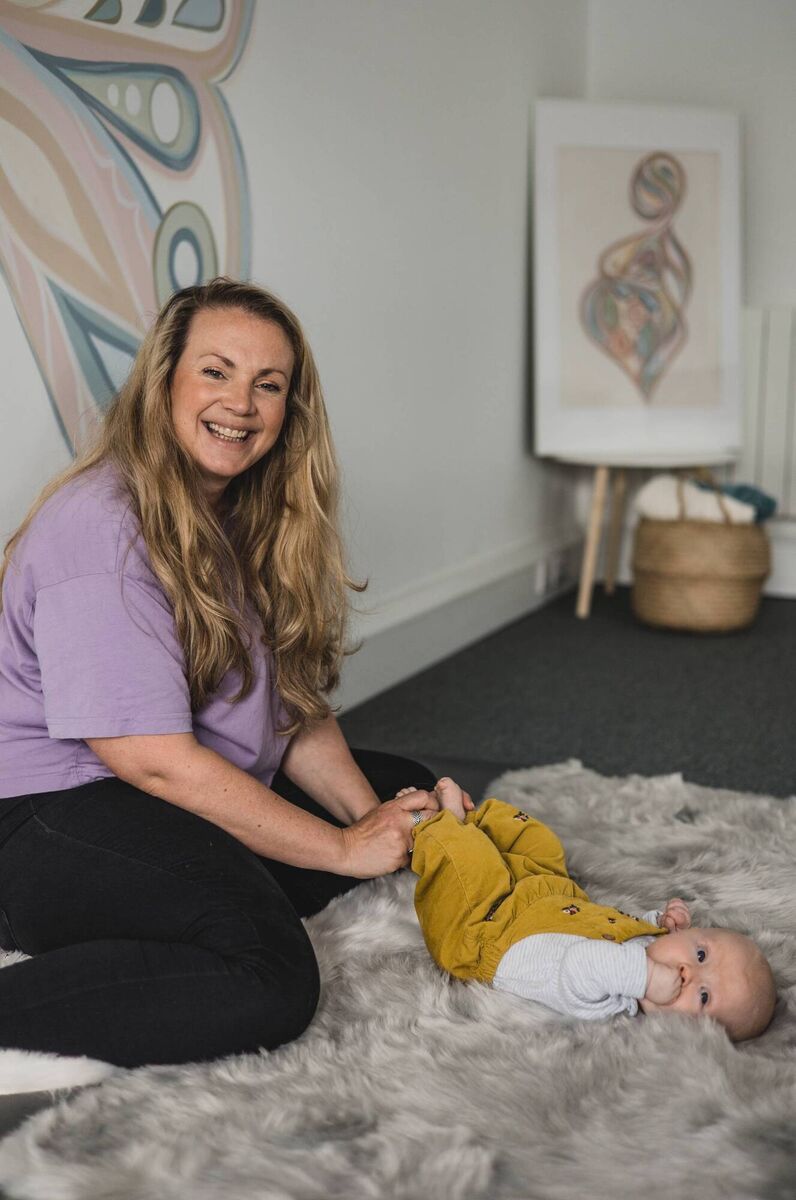
Karen Prunty with baby Robyn, photo by Laura Conlon

“Skin-to-skin contact supports co-regulation, helps your baby steady their breathing, temperature, and heart rate, and reduces stress hormones for both of you. It encourages responsive caregiving, boosts milk production, supports breastfeeding, and strengthens emotional connection.

“Babies instinctively seek closeness. When we offer our warmth, our scent, our steady heartbeat, we help them feel safe, regulated, and deeply secure in the world.”

10. Be the constant parent

Be consistent, predictable, and available, advises play therapist and member of the Irish Play Therapy Association, Anne Fenton.

“When caregivers are attuned to their baby’s needs most of the time, and feel confident in being ‘good enough’ parents, it supports a strong bond, emotional connection, and overall development.”

11. Make time for play

You are your baby’s best toy, says speech-and-language therapist Deirdre Bradley.

“Your voice and your face are better than any toy, any screen, for your baby. From the moment they’re born, babies are constantly learning, observing, and interpreting the world around them.

Speech and language therapist Deirdre Bradley.

“It’s a critical time for baby’s brain development. Parents play an important role.

“With your face close to baby’s, perform clear, repeated, and consistent actions with your face and voice: Could be as simple as smiling, blowing raspberries, or playing peekaboo. Connect with them in a quiet environment, free of distraction, and when your baby’s awake and alert rather than tired, upset, or hungry.”

12. Focus on early communication

Think of your baby as a communicator.

OWL, or observe, wait, and listen, is an approach developed by Canadian-based speech-and-language therapists. Bradley says it can be done by parents anytime: Snack-time, bath-time, play-time, bedtime.

“Observe helps you understand what’s capturing their attention: What are they looking at? What are they pointing or reaching for?”

Wait gives them time to interact: Stop talking for five to 10 seconds;, lean forward.

Listen: Letting your child know what they have to say is important; builds their confidence: Be present; give your full attention. Don’t understand what your baby is saying? Look for clues, or imitate their sounds and actions to see how they respond.

13. Use a sing-song voice

Stanford University studies show that singing, speaking, and reading to your newborn increases their communication skills.

Play therapist and member of the Irish Play Therapy Association Anne Fenton.

“You can do this naturally during feeding, changing, or getting ready for sleep. Eye contact and a rhythmic tone of voice help soothe and engage your baby’s attention,” says Fenton.

14. Experiment with sensory play

Regular opportunities for sensory play support emotional regulation, self-soothing skills, and help babies make sense of the world, says Fenton.

Some ideas for developing baby’s sensory system:

  • Sight: Mirrors, light-up toys, colourful objects;
  • Hearing: Musical instruments, rattles, singing;
  • Smell: Scented baby lotions, familiar kitchen smells;
  • Taste: Exploring new textures and flavours when introducing solids;
  • Touch: Continued baby massage, textured toys, and exploring different materials.

15. Prioritise time for toddlers

Give toddlers time, says Prunty. “The toddler years are filled with big emotions, rapid brain development, and a growing drive toward independence, all of which can lead to frustration and overwhelm.

“In these moments, co-regulation plays a vital role: Toddlers rely on us to help make sense of their feelings.”

Pruny advises slowing down, taking a breath, and meeting them with calm and patience. “So we model emotional regulation and show them they’re not alone with their big feelings.

“Our steady presence helps them learn coping skills, builds their confidence, and reinforces that they’re loved, supported, even on hard days when our patience feels tested,” says Prunty.

More in this section

Cookie Policy Privacy Policy Brand Safety FAQ Help Contact Us Terms and Conditions

© Examiner Echo Group Limited