Colman Noctor: Afterschool clubs need to open their doors to all children 
Afterschool clubs are not the only effective option — relatives and childminders can also offer warmth and stability. However, when access to enriching opportunities depends on income, we risk entrenching inequality in childhood.
Colman Noctor: Afterschool clubs need to open their doors to all children 

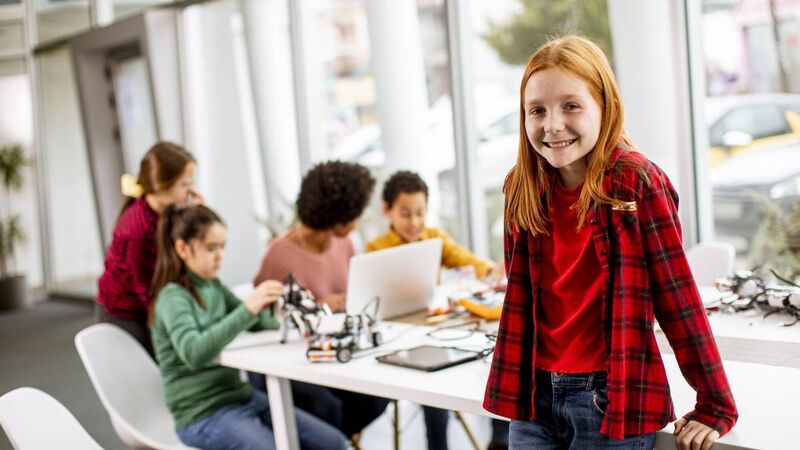
An ESRI study on the difference between children born a decade apart shows that afterschool childcare has switched from a matter of choice to being dictated by circumstance. Picture: iStock 

AT FIRST glance, the latest ESRI report simply examines where children go during the childcare hours between 2pm and 6pm.

But on closer analysis, it offers a glimpse into modern parenting, highlighting the pressures, inequalities, and quiet, emotional efforts that families with schoolgoing children make daily to keep life running smoothly.

The report examines Irish children born a decade apart. What stands out most is how afterschool care has shifted from a matter of choice to one dictated by circumstances.

One of the more sobering findings in this study is that afterschool clubs and centres are more likely to be used by higher-income families than by lower-income families, and that this gap has grown wider over time. This divide has happened because the cost of afterschool care has risen faster than inflation. Simply put, it is becoming unaffordable for many families.

Afterschool clubs are not the only effective option — relatives and childminders can also offer warmth and stability. However, when access to enriching opportunities depends on income, we risk entrenching inequality in childhood.

The study shows that children in more organised care settings typically have better access to sports, cultural activities, and reading opportunities. These are not merely luxury amenities —they are essential for building confidence, fostering connections, and stimulating curiosity. When only some children have access to them, we must ask ourselves, are we creating two different versions of childhood?

Another observation in this study was that children cared for by relatives generally had fewer friends at age 13. It isn’t a critique of grandparents, relatives, or childminders who care for children and provide vital support to families. However, it does reveal a shift between now and 10 years ago, when families faced less economic strain, in how childhood social circles develop.

When children spend their afternoons away from other children, perhaps being collected from school and looked after elsewhere, they can miss out on peer interactions that shape childhood, such as playing unsupervised games, kicking a ball around, or simply hanging out. In the Netherlands, they have identified the benefits of this playtime and offer government-funded afterschool clubs.

Afterschool clubs, despite their organised structure, consistently offer one key advantage: peers. In a time when friendships are increasingly mediated through screens and school days end earlier than parents’ working hours, these environments can serve as essential social spaces.

Afterschool care is not suitable for all. The ESRI study notes a slight increase in conduct or hyperactivity issues among children attending afterschool clubs. It’s not a significant rise, but enough to attract attention. It suggests that group settings can be overwhelming for some children. After a long school day spent managing rules, routines, and relationships, moving into another busy environment can challenge a child’s ability to cope. This response does not mean that group care leads to disruptive behaviour. If anything, it highlights the importance of emotional literacy, regulation skills, and well-trained staff who understand that children need time to unwind, not constant stimulation.

Caring circumstances

Parents are often led to believe that every decision is critical. The “right” care, the “best” activity, the “perfect” balance of supervision and independence. This study offers a helpful correction: most differences in outcomes are minor. Family life and school environments have a much greater influence on children’s wellbeing than who looks after them between 3 pm and 6 pm.

In other words, you are not failing your child because you can’t get them into an afterschool setting, or because your mum looks after them, or because you rely on a childminder who allows screen time in the afternoons. Parenting happens, in the round, not just in the narrow slice of the day covered by afterschool care, but around the clock.

Choosing between a crèche, afterschool programme or care from family members, such as grandparents or a childminder, depends on what best suits a child’s needs and a family’s circumstances. Afterschool clubs provide structured routines, trained staff, and rich social opportunities that can support children’s language development, confidence, and school readiness. However, they can be expensive and expose children to more common illnesses.

Care from grandparents, extended family members or childminders often offers warm, familiar relationships, cultural continuity, and flexible support, which many children find comforting. Nonetheless, it may offer fewer opportunities for peer interaction, and sometimes grandparents or extended family members may have a different approach to childcare that jars with the parents’ views, potentially leading to stress and tension. In most cases, a combination of both can offer children the benefits of social learning and strong family bonds.

Research generally indicates that formal afterschool or community-based care supports school readiness, early maths and concept skills, structured learning, and socio-behavioural skills, especially for children from disadvantaged or lower-resource families. Informal care by grandparents or extended family, particularly in early childhood, can be linked to stronger early language and vocabulary development (for example, naming objects), possibly due to one-on-one attention and a relaxed, home-like environment. However, international research suggests that informal care has mixed results for cognitive tasks that require problem-solving, early academic concepts, and school readiness. The effects vary depending on socioeconomic background — some studies find that afterschool care benefits mainly children from lower-income families, while those from more advantaged homes show little difference.

Costly opportunity

The ESRI study highlights that childhood opportunities in Ireland are increasingly affected by cost, availability, and postcode. As parents, we can only make decisions within the systems available to us. And currently, those systems appear unequal.

Standards in afterschool settings are improving.

The report notes new supports and regulations that came too late to be reflected in the data, such as the National Childcare Scheme, which now significantly extends subsidies up to age 15. Such advancements make a huge difference to children and families, and they need to continue. However, for afterschool services to support children’s development, they must be affordable, local, and focused on play, connection, and emotional wellbeing, not just supervision.

Parents are working harder than ever with longer hours, more fragmented support networks, and higher expectations. This ESRI study doesn’t tell us what the “best” form of care is. What it does tell us is something much more valuable: children thrive when they feel connected, whether to peers, activities, or their own communities. And parents thrive when they have real choices, not just the least-worst option.

If we want to raise confident, resilient young people, we need to stop viewing afterschool care as a private family matter and start recognising it as a public good that benefits every child, regardless of their parents’ income or location.

  • Dr Colman Noctor is a child psychotherapist

More in this section

Cookie Policy Privacy Policy Brand Safety FAQ Help Contact Us Terms and Conditions

© Examiner Echo Group Limited