How to prepare your child for their first day of school
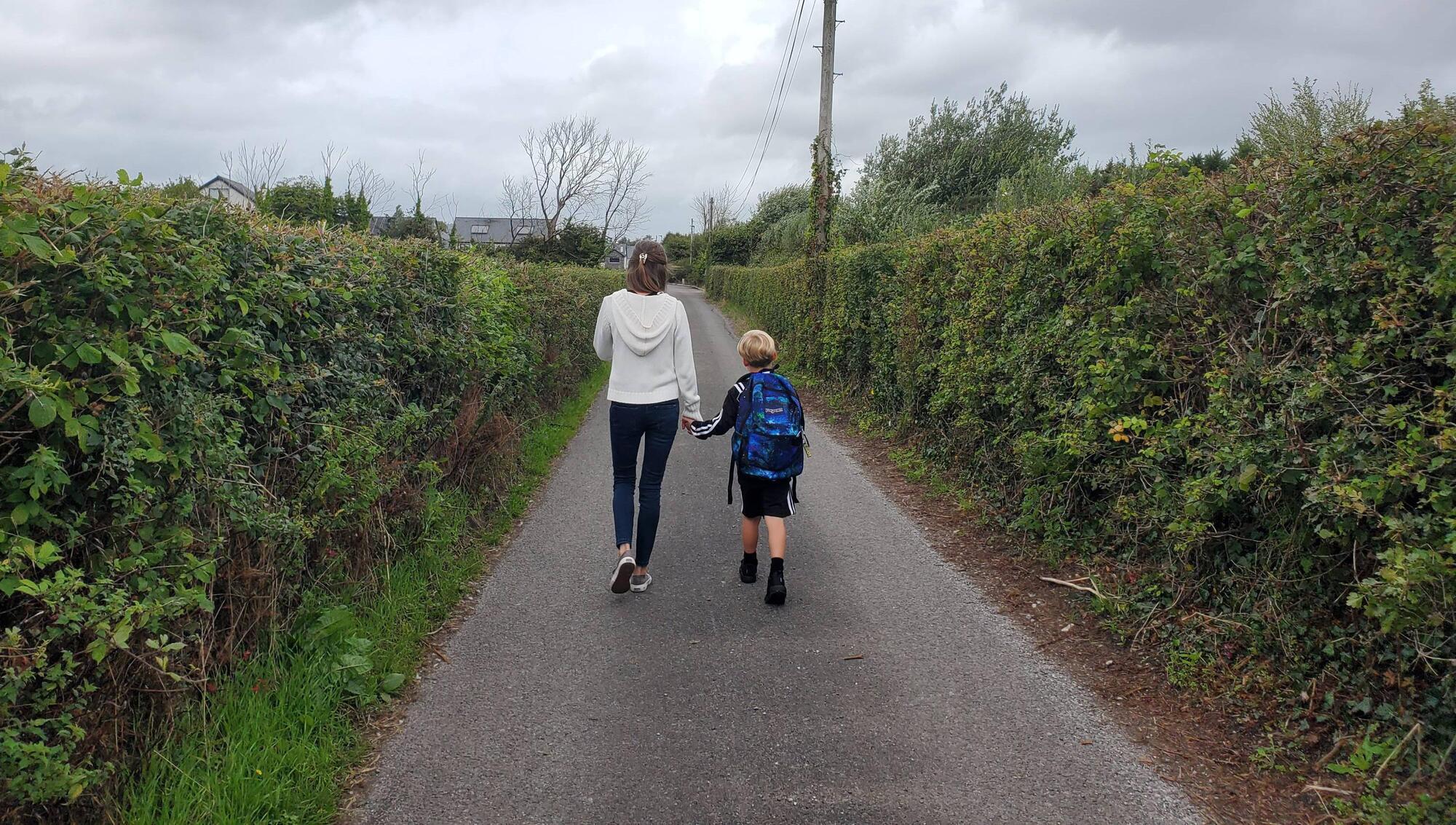
Siobhan Broughton and her son Elliot, who is starting primary school this week
Last year, on her first day of school, my daughter strode confidently through the doors. She gave me one last look back and a smile; I stifled back my sobs, smiled and waved. No doubt, this will be a familiar scene across the country over the next few days as summer holidays wind up and school term begins.
According to a Department of Education spokesperson: âBased on our latest projections, 59,518 junior infants will begin primary school this year.â
Thatâs almost 60,000 parents getting ready to send their children to primary school.
For some parents, itâs their first time going through this. Others have been there, done that. But for the kids, itâs brand new, and their lives are about to change. So how do we prepare them for this seismic shift in their life?
âFor your kids, starting school is the beginning of an incredible journey,â says family psychotherapist Dr Richard Hogan.Â
âTheyâre branching out from you and learning to function without you around. Itâs also when they really start to develop their own agency and autonomy, and build their self-confidence. Itâs exciting, but naturally there will be some trepidation there too.â
Child psychiatrist Dr Colman Noctor says: âItâs a big moment. You are handing your child over to the school for the next eight years of their lives. Youâre thinking âwill they be ok?â And that might well hit you like a wall on the first day.â
Siobhan Broughtonâs son Elliot is starting school this year, and that âwill he be okâ question has been running through her mind all summer.
She explains: âOn the one hand Iâm so excited for him but on the other Iâm nervous. Nervous about how heâll cope, emotionally. And Iâm a little sad too, as he loved his pre-school, but he canât, obviously, stay in pre-school forever!â
Siobhan has been conscious of being positive and keeping relaxed about her son starting school: âIf I show anxiety at all heâll pick up on it so Iâve been consciously keeping things low key.â
Thatâs exactly the approach Colman encourages: âItâs about finding that balance between talking about starting school and not labouring on it. And go easy on the âyouâre a big boy/big girl going to schoolâ as that can put pressure on them to act a certain way. Itâs more important to tell your kid âyouâve got thisâ.â
As well as prepping your child mentally for this shift in their young lives, itâs a good idea to get them ready from a practical point of view too.Â
This can be a quick win, says Colman: âSimple things like making sure they know what their name looks like, how to open and close their coat, how to open their lunch box.Â
These are all practical things that will help your child to feel capable and that they have mastery over these things. Often, hearing âgood jobâ or âwell doneâ for doing these things during the day will give them a boost and reduce anxiety.â

For Lynne McCarthy, who has been teaching since 1992 in St Maryâs Church of Ireland National School in Waterpark Carrigaline in Cork, these practical things make a difference.Â
Itâs also important to familiarise your child with the school and the new routine, she says: âMost schools now will do a day where children get to come in and spend a few hours in their classroom, and meet the teachers, and this is great for them.Â
Itâs also good to practise the journey to school ahead of time and to bring your children with you when youâre getting things like lunch boxes and pencil cases. What you want to do is get them used to all these new things so everything isnât new on that first day.â
The first day drop-off will differ from school to school â some schools have stopped the practice of parents going into the classroom on that first day since covid â but whether youâre going into the classroom or just dropping them at the door,Â
Lynne says itâs best to leave as quickly as you can: âThe quicker you leave, the better. Even in the case with children who are upset, nine times out of 10 they will be absolutely fine five minutes after you leave.â
Colman adds: âEven if your child is upset, the best thing you can do is not to linger or hover. Thatâs subliminally giving your child the message âI donât trust these guys eitherâ, and thatâs not what you want. So, walk away, even if theyâre upset.â
Richard agrees: âYou want your child to think âI can do thisâ. Itâll be a great moment in their life when they do.â
Some parents may dread that first morning, particularly if their child is anxious and doesnât like being separated from parents.Â
But Colman says to forget about the other parents and worrying that theyâre judging you: âParents may well think that their childâs behaviour is a reflection on them and be hyper aware of all the people around looking at their child being upset. Theyâre not, and the teachers have all been there before and know exactly how to deal with this situation. A good thing to remember too is that what happens on the first day, is not necessarily what will happen for the first month. Itâs a transitional thing that will pass.â
Be careful though, that you donât make school sound like a party, says Lynne: âThe first day is very exciting, and of course in the classroom there will be toys on the tables and thereâs a sense of occasion. Kids can sometimes finish that first day and think âok, thatâs school done, I can go back to my real life nowâ. Itâs best to explain that this is the next stage of their lives and donât make a big production out of that first day.â
Mother of three Laura OâDonovanâs third daughter Ciara started primary school last year.Â
Her third time around, Laura was a lot more relaxed and thought the day would be straightforward: âWith Ciara, we expected her to sail right in. Sheâd been up and down to the school so much over the years, but on her first day she was very upset. It showed me that no matter where your child is in the family, their reactions will be unique to their personality. I was traumatised when I got home as it wasnât at all what I expected.â
On that day, after you drop your child, whether itâs your first, second or third child, itâs a nice idea to plan something to do, advises Lynne: âMeet someone for coffee, or go for a walk, do something nice. That way you can distract yourself from any worry you might be feeling. Remember, that first day is a short day, itâs only a few hours.
âYour child will probably be tired after it though so make sure to let them have some downtime and donât quiz them too much.â