LAST summer, Kerry-based mum Sarah noticed her nine-year-old son was a bit withdrawn. “Nothing major — he became a little clingier.”
But when she and her husband returned from a short break, Sarah saw a big change. “He was very quiet in himself. He’s a very sporty child, I’d signed him up to do camps, but he didn’t want to go. We offered to stay at the football field, but it was like he didn’t want to break away from us.”
Starting back to school in September was difficult. “He was crying, had abdominal cramps, diarrhoea. He couldn’t verbalise it — just ‘I don’t know, I get this feeling’,” recalls Sarah, who saw similar behaviour around going to soccer, something he had always loved.
“Before he’d just have run in — without even looking back at us. Now he didn’t want to go. It was a complete change. We were very shocked.”
Sarah, also mum to a four-year-old daughter, says her son became anxious about his little sister — and that something would happen to his parents when he was at school and he wouldn’t know. Feeling she “had to do something”, she went online. “I’d heard about play therapy. My nephews had availed of it.”
She found a therapist, based not too far away, and her son did 14 weekly sessions.
“The therapist said he might get worse before he got better. He was very fond of her and didn’t mind going. He’d grown out of the play side of things, so she did a lot of board games with him. She taught him to play chess. They’d kick a ball around. He made slime at one session.
“Afterwards, I’d ask if he wanted to talk about what they did, and he would or he wouldn’t. One time, the therapist said, ‘He’ll need lots of hugs tonight; he cried a lot today.’
After about eight sessions, Sarah saw a positive change. “I saw him lift, and open up about how he was feeling — that fear of something happening to us. I could see his form improving in early December. He got lighter on his feet. He started going to friends’ homes happily, whereas he’d got very nervous about going to birthday parties — he’d get all worked up around what if he wanted to get home and couldn’t find his friend’s mum.”
Describing how he “skipped back into school” after Christmas, Sarah says there was no anxiety, no cramps. “He never really voiced what had been upsetting him,” she adds. However, she believes his anxiety was due to trauma in the family five years earlier. “We had a bereavement. I lost my second son as a baby. We’re a very close family and it was intense at the time. So I’d put his anxiety down to that trauma — and that he only started to deal with it now.”

Validating the child
Coordinator of year three of the master’s in play therapy at MTU Cork Karen O’Connor says young children think in images rather than words. “They capture life in images. An adult sees something, puts words alongside it and comes home and tells a story. Children see a lot more than they [can] process through language,” says O’Connor, adding that little ones also find it difficult to understand mixed emotions.
“They find it too complex to understand that one experience can give two different feelings.”
Play therapy offers children a chance to process difficult feelings and communicate their inner world, says O’Connor. “It gives a voice to their inner world and experience. It allows them to play out what they’ve seen, observed, or experienced.”
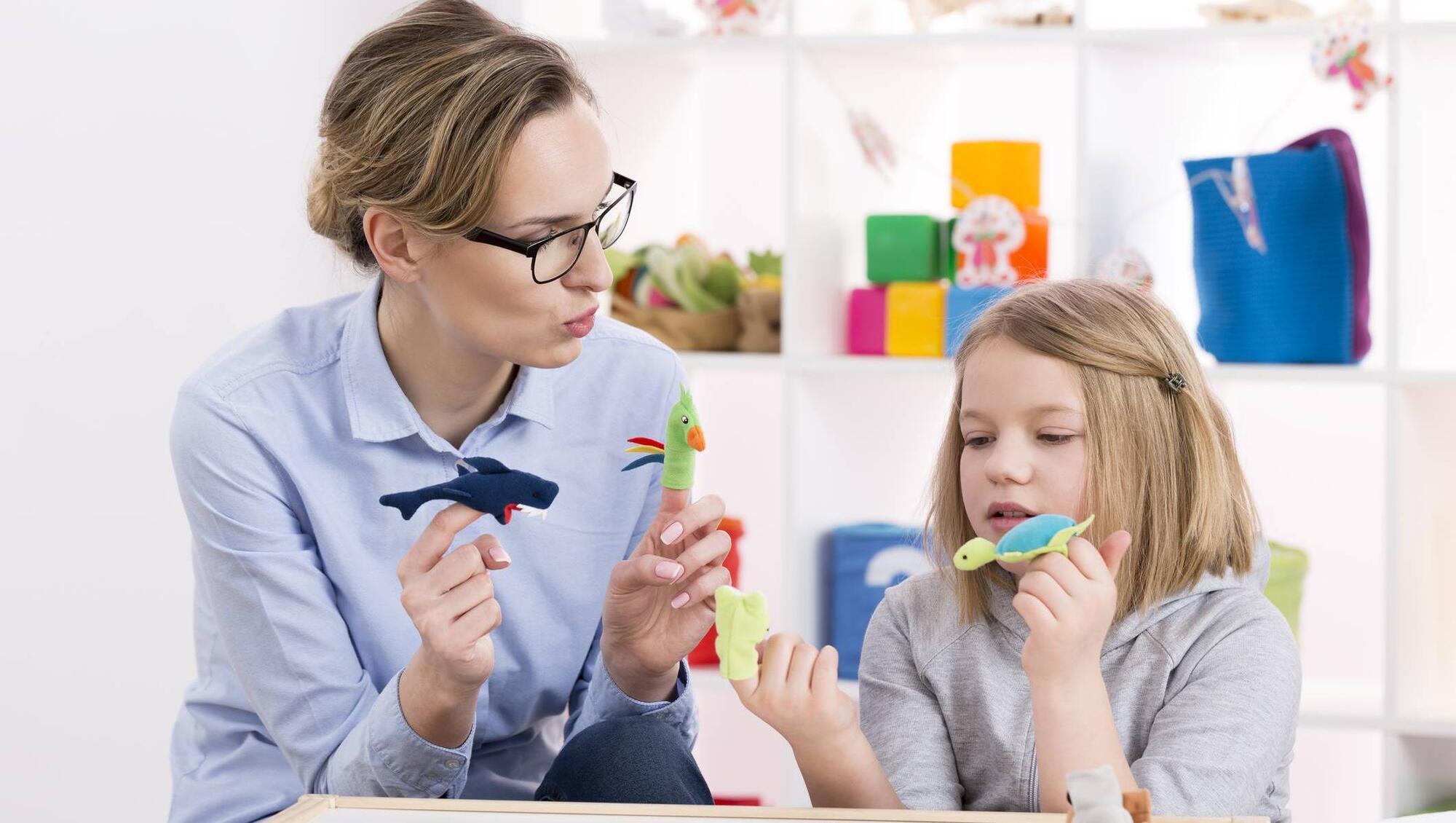
And while play therapy focuses on play, O’Connor says the therapeutic relationship is the magic ingredient. “The room looks full of toys. The most important is the person of the play therapist. And the play therapist isn’t sitting there in a suit with a notebook in hand. They’re sitting on the floor, waiting to be invited into the child’s play, or offering to join in.
“And when the child realises we can enter their world to role-play, they then project their big or difficult feelings onto the play therapist. So a child who might have been bullied could act as the ‘nasty child’ and say, ‘No Karen, you’re not allowed to play with us, go away’.”
Through this process, the therapist learns a deeper understanding of the child’s world. “The play therapist will feel these very difficult feelings and name them and reflect them back. But because it’s the play therapist’s feelings, it creates a distance that allows the child to observe. And they’re still not talking about their own feelings so they’re not overly exposed.”
O’Connor explains that being able to observe the difficult feeling normalises it for the child — and validates their experience. “From here we can move to resolving the issue: ‘What else could you do? Could you play with [another child]?’ And role-playing allows the child to develop a deeper perspective-taking on any experience.”
Play therapy is a relatively new profession in this country, says O’Connor, who trained over 20 years ago when there were no university-based qualifications in the discipline in Ireland — she did her master’s at the University of York.
The MA in play therapy at MTU, Cork, celebrates its 10th birthday this September and O’Connor says enrolment applications continue to rise.
More widespread awareness of play therapy among other professions has led to increased referrals, she says, but adds that parents have been a big driving force. “Parents are very strong drivers of finding solutions for anything their children are struggling with. They counsel and liaise with each other, and share success stories about what has helped.”
Play therapy can help children aged two-and-a-half years to 12 — and adolescents if they’re open to it. O’Connor is qualified to work with up to 16s.

How parents can support the child
Midleton-based Anne Fenton is a non-directive play therapist in private practice and current chairperson of the Irish Play Therapy Association ( ipta.ie). She was among the first cohort of MTU (then CIT) MA graduates in 2014. “A lot of my referrals come from local GPs. I support children with a variety of issues. A big one is anxiety, usually in middle childhood — children aged six to nine,” says Fenton, explaining that at this stage children are undergoing a developmental change.
“They’re taking a leap of moving from the home base — for example, starting to move into different sports. They’re taking these risks by themselves, without the immediate support of their caregiver. This can create anxiety.”
Fenton is also seeing the impact of covid-19 lockdowns on children aged from three up to first class. “When they were in pre-school and junior infants, there was a lot of stop-starting. They didn’t get these foundational social development aspects.”
She meets children who are experiencing a triggering of earlier issues. “Maybe they had an accident, or a death in the family. The parent wouldn’t have thought they needed to process it because they seemed to manage it fine at the time. They now need to revisit that early experience to work it through.”
How can parents adopt some of the approaches underpinning play therapy? Fenton advises building on your relationship with your child. “It’s about making that connection. Sit at the end of the evening and watch TV with them — just that physical contact could be all they want. Or watch them play, be curious, ask if you can play too.”
She encourages naming the child’s feelings so as to help them with their emotions: ‘I can see from your shoulders you’re feeling down.’ And she recommends movement. “Going for a walk will calm the nervous system. Throw on some music, and do some crazy dancing. Really tuning into your child and observing them will give you a lot of information.”
In Kerry, where that anxious feeling her son used to get is “a distant thing now”, Sarah says: “Without play therapy, he’d never have been able to hash [things] out in his head. One hundred per cent play therapy sorted him out — he got whatever it was off his chest.”
CONNECT WITH US TODAY
Be the first to know the latest news and updates