Dr Phil Kieran: How can I prevent my children from getting RSV?
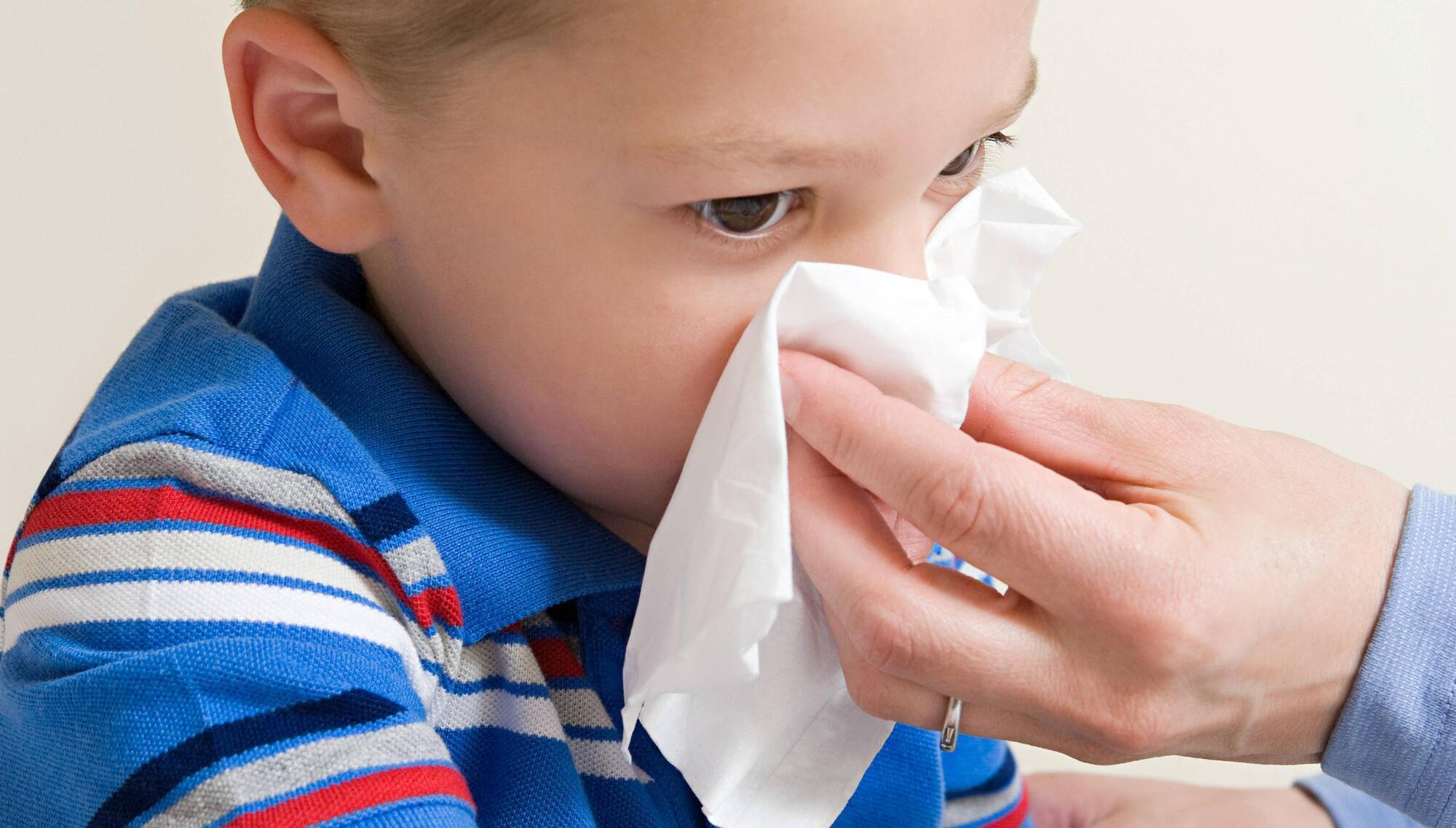
Dr Phil Kieran: RSV is spread mainly through droplet transmission so good respiratory etiquette is the mainstay of reducing transmission. With preschool-age children, this can be impossible to maintain, and infection is common
Respiratory Syncytial Virus, or RSV, is one of the most prevalent viruses in children every winter.Â
This is a virus of the Pneumoviridae family and outbreaks tend to occur annually at this time of year or early spring.
RSV is spread mainly through droplet transmission so good respiratory etiquette is the mainstay of reducing transmission. With preschool-age children, this can be impossible to maintain, and infection is common.
For the majority, the infection will be relatively mild and self-limiting. It usually presents as a runny nose, cough, fever (over 38°C), and wheeze. The symptoms are very similar to many other cold viruses, including flu, which is very much around these days.
Most children will be sick with RSV for three to four days and then start to improve, and so long as they are pretty well, feeding and drinking adequately, and not struggling with their breathing, there is no need to see the doctor. They should be kept at home to protect others and reduce the spread of the virus.
For younger children (under four) there is a risk that, instead of getting better around day four, they can develop bronchiolitis. This is an inflammation of the airways in the lungs and causes difficulty or rapid breathing, wheezing, and problems with feeding. These symptoms will again usually start to improve after two to three days. However, they can sometimes become severe.
If your child or baby is struggling to eat or drink due to breathlessness, they can quickly become dehydrated. If you notice they are having a lot less wet nappies and not taking bottles, I recommend seeing your GP. Also, if they are struggling with breathing and you are worried, trust this instinct and get them reviewed.Â
Importantly, if your baby is taking pauses between breaths and their ribs are sucking in while they breathe or they can’t wake up or stay awake, you should call an ambulance.
There is no early treatment for RSV to prevent bronchiolitis and antibiotics will not help. If your child has RSV, it is a case of keeping an eye on them, and in the vast majority of cases, they will get better around day three to five (the cough can take anywhere up to three weeks to settle down).
Given you have a child under a year and another under four, both are at increased risk of developing bronchiolitis. The HSE recommends families with young babies to cocoon to reduce this risk. This includes keeping them away from large groups and childcare settings where possible.
My advice is to practice and teach your kids good respiratory etiquette. This will help protect everyone from RSV and, to some extent, from flu and covid also.
- If you have a question for Dr Phil, please send it to parenting@examiner.ieÂ