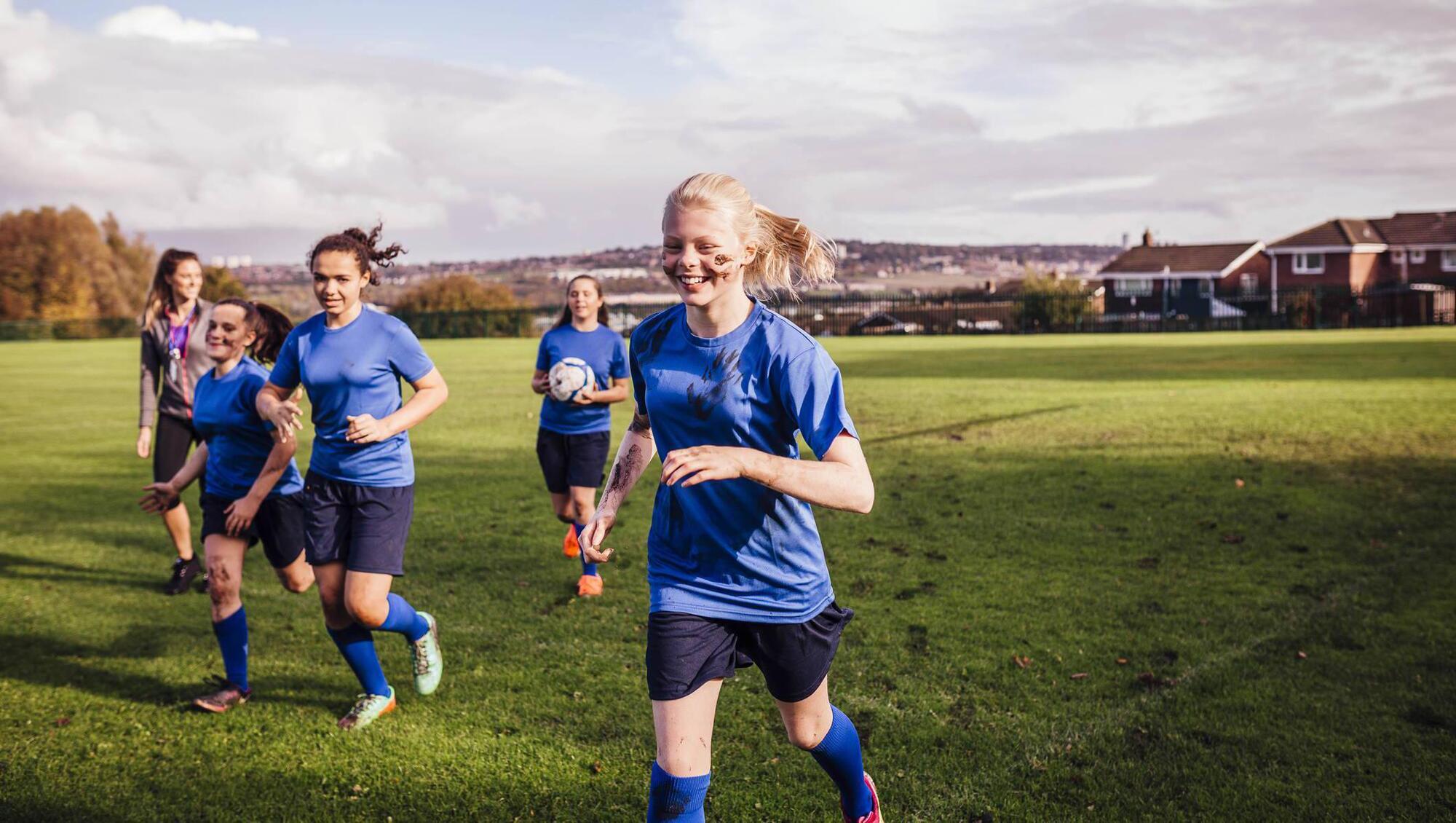
IN LAST weekâs column, I explored why girls drop out of sports during their teenage years. We need to create a deep understanding of why they choose to opt out.
In a 2021 Sport Ireland report, a teenage girl captured a central issue saying: âWhen youâre younger itâs just friendly... nice to go out, see your friends, play and just have a kick about... but as you get older, people get more competitive.â Competitiveness in sports is an issue for most children, regardless of gender. But for teenage girls, could it be less about a competitive culture and more about a high-commitment culture that causes them to leave organised team sports?
I believe there is still a considerable misunderstanding of what children mean when they describe sporting environments as âtoo competitiveâ even though much has been written on the topic. Competitiveness and commitment are very different concepts, but they are commonly conflated as meaning the same thing. While competitiveness is understood to be âthe desire to be better than othersâ, being committed is more about âshowing dedication over the long termâ. Indeed, it is possible to be competitive while not wanting to commit to an ongoing activity.
I have met many young girls throughout my career who I would consider competitive, not so much that they wanted to be better than others, but more had a desire for self-improvement and to improve their performance. These girls donât lack the will to win, and when it comes to a game of Monopoly, Mario Kart, or a table quiz for example, they are as competitive as anyone else. But, of course, itâs far easier to be competitive for an hour-long game than committing to a GAA or soccer season schedule of training and matches.
Need for flexibilityÂ
Many of us enjoy Monopoly and can get carried away in the competitiveness of the moment, but we donât enter Monopoly leagues and train twice a week and travel the country at the weekend to play high-pressure matches. But to confuse the concepts of competitiveness and commitment is short-sighted. Perhaps teenage girls are stepping back because only âall-or-nothingâ options are available to those who want to engage in team sports.
I have spoken to many girls who enjoyed gymnastics as young children but were unwilling to carry it on into adolescence because of the four-hour training sessions they were expected to undertake as they got older. I have met other girls who enjoyed swimming but not enough to set the alarm for 5am to be in the pool for 90 minutes before school. They didnât lack competitiveness â they just didnât want to dedicate such a large proportion of their lives to the activity.
Unfortunately, most sports are not set up to allow children to participate on a flexible basis, driving many teens to gyms. A casual but competitive sporting activity like five-a-side football or social tag rugby available to adults could be the answer to keeping young teenage girls involved.
However, such a shift in mindset is unlikely until sport and exercise are seen as pillars of mental and physical wellbeing, not just prepping Olympians or All-Ireland medal winners. If there were more activities to cater for different abilities, levels of competitiveness and degrees of dedication, we would keep more girls active and involved in sports.
Itâs a golden era for Irish sportswomen â Katie Taylor, Kellie Harrington, Leona Maguire, Rachel Blackmore, and Rhasidat Adeleke enjoy international recognition. But while these role models are inspirational, not all teenage girls will want to compete at an elite level. Sporting bodies need to focus on providing enough opportunities for girls to take part and have carefree fun with friends.
It might also be worth considering a âreturn to sportâ option for older teen girls who gave up a skill-based activity when they were younger. There is little point in expecting this group to join same-age players who have continued playing and progressed their skillset.
Non-competitive sports
Not all physical activity needs to be competitive. Perhaps a happy medium would be to connect girls through a shared interest, such as cycling, outdoor adventures, swimming, skating, dancing or running, and to form friendship groups with no pressure or commitment required. I recently heard a radio interview about the rising popularity among women of Dragon Boat Racing, which focuses on fun and participation. We need to take our lead from such groups and think outside the box regarding including young girls in team sports.
During adolescence, a time of psychological development, teenage girls strive to work out who they are and want to be. Trying out new things and establishing what they enjoy is critical. If they have limited opportunities to engage in sports, they will inevitably choose to disengage and opt out.
The US and Australia are the most successful in keeping girls engaged in sports. Significantly, both countries have the most comprehensive range of sporting options. One of the most popular international sports that females play is netball, and while there are many soccer, GAA and camogie options for young girls where I live in Carlow, I am not aware of any netball teams in my community.
We have an ideal opportunity to build on the enthusiasm our female sports role models have generated. But instead of creating a carbon copy of our menâs sporting models, we need to consider the needs and preferences of teenage girls.
The 2019 British report titled Reframing Sport for Teenage Girls found key ways to create more opportunities for girls to stay in sports. These included âno judgementâ, âa clear emotional rewardâ and âan expansion of what girls consider âsportyâ to look likeâ. This final point is crucial as it suggests reframing our understanding of âactivityâ to include scenarios that create opportunities for communal exercise and elite competition.
Addressing the all-or-nothing approach to organised sport is vital. A model that accepts players can have high levels of competitiveness, and a low level of long-term commitment could be the way to go. This may mean sports clubs will not have superstars or stuffed trophy cabinets, but it could lead to more female members playing for longer. And thatâs a prize worth working towards.
- Dr Colman Noctor is a child psychotherapist

Subscribe to access all of the Irish Examiner.
Try unlimited access from only âŹ1.50 a week
Already a subscriber? Sign in
CONNECT WITH US TODAY
Be the first to know the latest news and updates