Dr Phil Kieran: I'm worried about the long-term impact of my teenage son's concussion
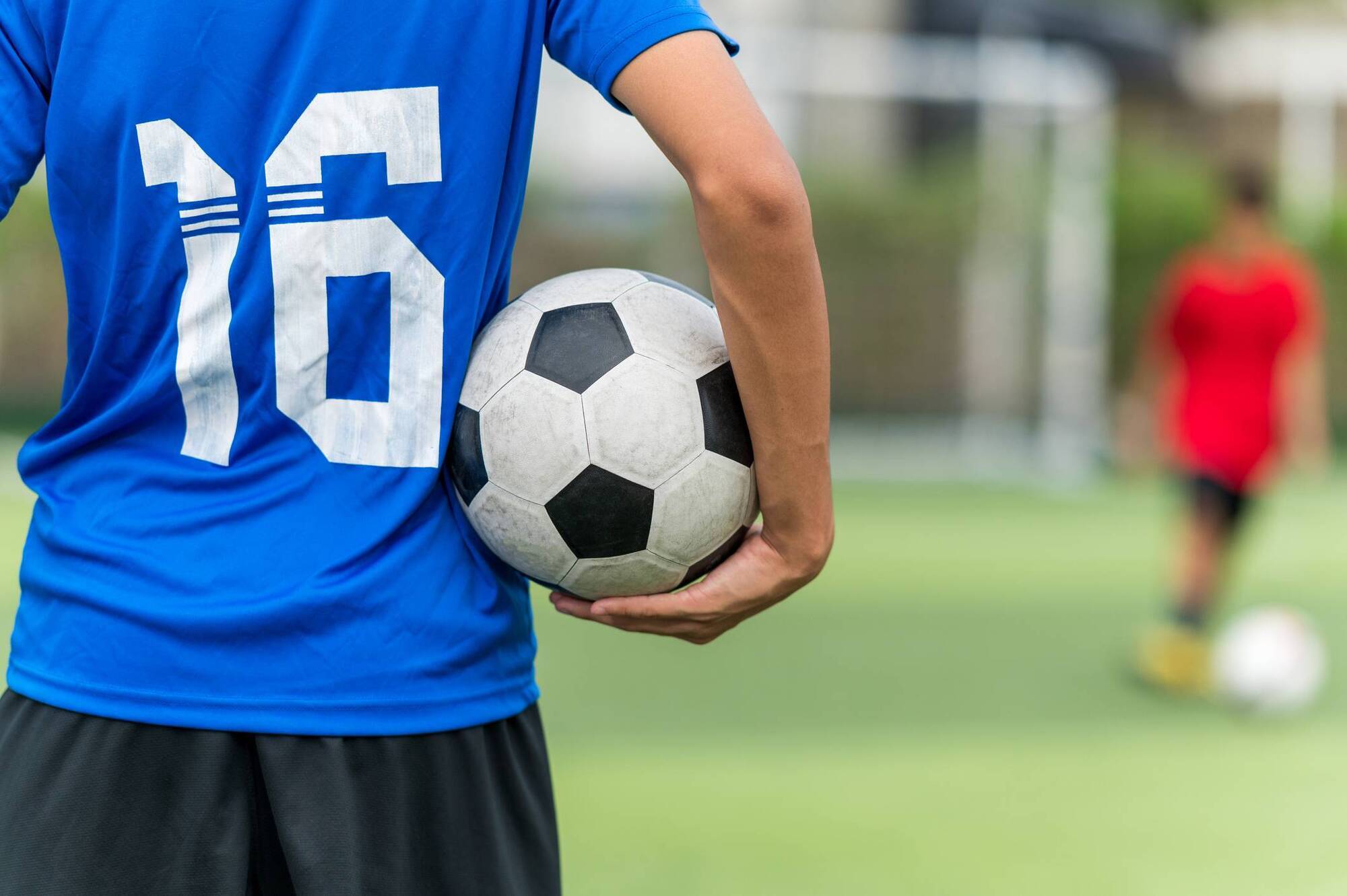
Concussion is traumatic. We now recognise concussion for its seriousness and for how common it can be. However, fear of concussion is driving people away from contact sports. That is a concern, given the physical and psychological benefits of sport. We need to keep some perspective.
Concussion has been talked about in rugby for years and the effects of multiple concussions over a lifetime are still being discovered.
Someone told me some years ago that there were “no concussions in GAA”, which showed that concussions weren’t being recognised and treated at the time. Thankfully, this is no longer the case, as recognition and immediate treatment are essential to ensure a good recovery.
Concussion risk is now a consideration in most team sports, including hurling, football, and soccer.
When someone loses consciousness after a bang to the head, they have a concussion. But you don’t need to lose consciousness to be concussed. If someone gets a bad knock (it can be to the body if the head gets moved violently without direct contact) and starts to be confused, dizzy, nauseous or have a changed concentration or memory, they have a concussion and should be treated as such.
The immediate treatment is to ensure no serious injury to the skull or neck. Once this has been ruled out, the person should be removed to a quiet area and given physical and cognitive rest. This means no strenuous physical or high-concentration mental activity for at least 24 hours. They can return to school and exercise gently if they show no further symptoms.
Most sports have guidelines about when a player can return to training or competition, but it is essential to encourage the injured person not to minimise symptoms so they can get back to the pitch more quickly. If they do return too soon, they are at high risk for another concussion with a lower impact.
If concussion is managed well initially, like in your son’s case, it shouldn’t lead to long-term consequences. My advice is to make sure he recovers fully before returning to activity and doesn’t rush things, no matter how important his next match. If he keeps getting concussed, then he will need to consider stepping away from soccer.