Colman Noctor: The best approach to protect kids from influencers like Andrew Tate
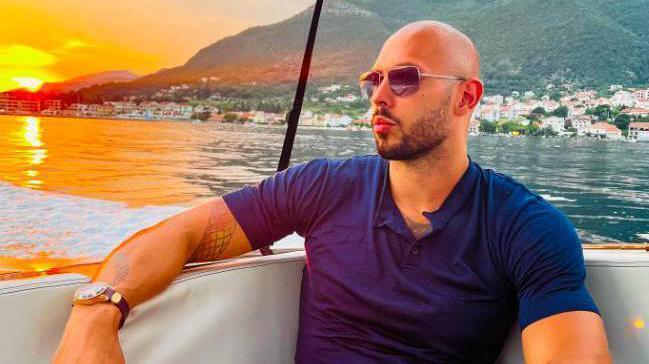
Kickboxer and online personality Andrew Tate. Picture: Instagram

When I wrote about the negative influence of Andrew Tate in my column in August 2022, I highlighted his meteoric rise in popularity and how it was believed teenage boys were a large cohort of his worldwide audience. Tate was later banned from most social media platforms. However, his Twitter account was reactivated after Elon Musk bought the company in recent months.
Tate has grabbed headlines again recently. He engaged in a high-profile Twitter spat with climate activist Greta Thunberg on December 27. Days later, he and his brother Tristan Tate were arrested on suspicion of human trafficking and rape. They are currently awaiting trial in a Romanian prison.
Most of us find it difficult to understand how figures like Tate rise to popularity when their views are so misogynistic and extreme. But this is not new. History shows us many examples where hard-line individuals captured the imaginations of millions of people, convincing them to follow them and promote their beliefs.
A rise in right-wing beliefs is often in response to a view that left-wing ideologies have gone ‘too far’. As our society becomes more inclusive and celebrates diversity, there will always be groups who feel threatened by this evolution and who will be more likely to use terms such as ‘woke’, ‘liberal lefties’ and ‘cancel culture’.
The split in left and right ideologies is often assumed to be age-related. Former British prime minister Winston Churchill supposedly once observed that anyone who was not a liberal at 20 years of age had no heart, and if they were still a liberal at 40, they had no brain.
However, the profile of attendees at the anti-immigration protests in Ballymun and East Wall or those who frequently attend right-wing Canadian psychology professor Jordan Peterson’s seminars could be described as relatively young.
Some might believe that Tate’s lavish lifestyle with multiple sportscars, lots of money and a string of subservient girlfriends is the reason why young men are taken in by his ideological position, but it seems they follow him because they don’t feel listened to or that their concerns are being dismissed. This dynamic is central to how radicalisation works.
The modus operandi of radical recruiters is to approach groups of people and warn them that they are victims of a widespread harmful movement and that if they don’t act they will be obliterated. They spread exaggerated messages about a cohort of society and stoke up fear and anger.
For example, immigration protestors claim that migrants will take their jobs, homes and social welfare reserves and that our prisons will be filled with overseas criminal gangs.
Locals are told that the government doesn’t care about them and that these issues wouldn’t happen in more affluent areas. This fear-mongering creates feelings of being disenfranchised and exploited, fuelling the ‘enough is enough’ narrative.
These extreme positions are noticeable in other sensitive social issues. Extremists will claim that if you support a pro-choice stance, you are paving the way for millions of abortions a year and if you support transgender rights, this will lead to legislation where all children must be raised in a gender-neutral manner in the future.
And because some believe that mainstream media is too narrow and does not provide a space for a measured discussion of these topics, the extreme right claim it is creating a space to help excluded people feel heard.
We need to help young people develop the skill set to see through messaging from influencers such as Tate. We could hold school classes for young people, warning them about misogyny. But a more effective approach is to allow them to ask the questions they want.
Many of these young teenagers are not ‘young adults’ - they are ‘older children’ and in most cases are not sure what they think or feel. We need to provide them with a space to explore their questions in an open setting where their opinions can be shared without the fear of causing outrage or offence.
This all-or-nothing approach drives questions underground, increasing a young person’s vulnerability to being taken in by the likes of Tate, who has an appeal to those who feel unheard or misunderstood.
Let’s imagine a boy in secondary school had a question about abortion or marriage equality, but he is afraid to ask the teacher for fear of being labelled as a ‘pro-lifer’ or a ‘homophobe’. The fear of voicing a dissenting view could have a silencing effect as opposed to encouraging open, inclusive discussions.
Young boys who feel they don’t have a voice can be vulnerable to being influenced by the likes of Tate or (at least on the surface) more acceptably Peterson because they appear to go against mainstream messaging and offer a different opinion. Unfortunately, this ‘different opinion’ is often an extreme one.
Most young people want to be inclusive, but not to an extreme level. Moderate inclusivity might be where they can support the climate agenda but still enjoy a burger or support mental health awareness without wanting to see trigger warnings on all sensitive stories in the media.
While moderate beliefs represent most young people’s views about society, I wonder if they feel the louder extreme minorities are drowning out the moderate voice.
If we have a culture where people don’t feel they can raise an issue for fear of being ostracised, we risk creating more extremist figures like Tate.
The most effective way of protecting young people is to create an environment where they feel free to ask questions, share views and seek clarification under the watchful eye of measured, thoughtful adults.
As parents, we often worry about the impact of outside influences on our children, but we need to remember that the core values our children develop come from the home.
The best protection for our young males is to create an environment where they can formulate respectful and inclusive principles.
- Dr Colman Noctor is a child psychotherapist

CONNECT WITH US TODAY



Be the first to know the latest news and updates