CHILD PSYCHOTHERAPIST
I have never had a great interest in the trials and tribulations of the British royal family. However, Harry’s book Spare and his promotional interviews have piqued my interest from the human-interest angle. I was especially interested in the revelations about the acrimonious relationship between Harry and his brother William which seems to be the focus of much discussion in the media and online.
I regularly receive queries about sibling rivalry from concerned parents, who want to know how much of the behaviour can be considered ‘normal’ and when it is ‘too much’.
In the case of Harry and William, the concept of being an heir to a throne determined solely by order of birth is unique to their relationship. However, they are still brothers and conflicts are par for the course with siblings.
From day one, the arrival of new siblings introduces the concept of competitiveness. Families inevitably create competition and attention is often the currency. This can range from persistent squabbling to out-and-out disdain for each other, making the parental management of sibling relationships complex.
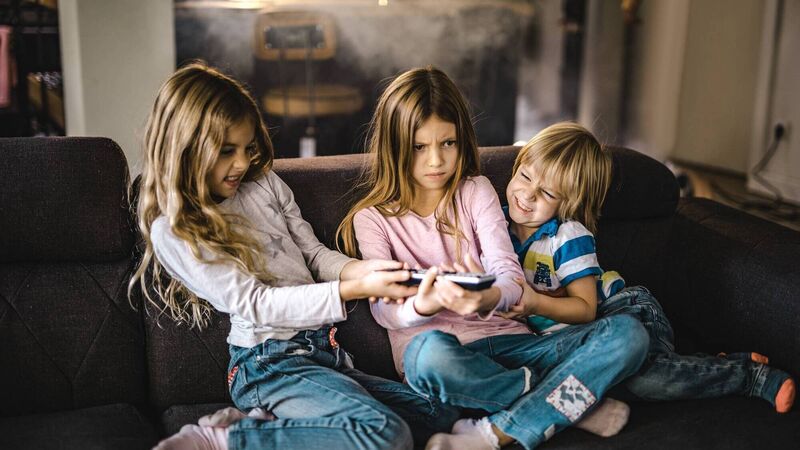
A certain amount of sibling anger is normal. Fighting over the TV remote, borrowing or stealing each other’s clothes, claims of favouritism and the odd accusation that the other sibling is ‘looking at me’ are everyday conflicts, even if unreasonable at times. These arguments tend to evolve and change through childhood and teenage years. Some siblings can have conflict-ridden relationships through childhood but become closer in adolescence. In contrast, others may have been the best of friends during early childhood, but their relationship becomes hostile during the teenage years.
No matter when it occurs or peaks, sibling anger is difficult to manage and can become the bane of parents’ lives. However, in my experience, most of these conflicts resolve as the siblings mature, and adulthood usually produces a collection of well-adjusted adults who get on well together.
Skilled negotiation
The most common phrase I hear during a family assessment is that a pair of siblings will ‘kill each other, but they’d kill for each other, ’ which suggests a polarised relationship. This is not unusual as it is typical that those whom we are closest to are often the people we argue with more intensely. I see it in my children, who often squabble but would have each other’s back if anyone outside the family was to mistreat any of them.
However, in some cases, sibling conflict can escalate into physical encounters or long-term psychological torment, requiring parents to become skilled negotiators.
Toxic sibling relationships can be profoundly damaging and many children say it affects their long-term development and self-esteem. There is a significant impact of being put down or ridiculed throughout your childhood. And even if the perpetrator is a sibling it still hurts. Therefore, parents must intervene to ensure the conflict does not continue to the point where one or both children are negatively affected in the long term.
Where there is a dominant and passive member in the duo, there is a risk that one child, usually the younger one, exists in the shadow of the other. This may not be overtly obvious but it can profoundly affect the child’s identity. Parents must address this dynamic, protect the passive child, and advocate on their behalf. Where there is a power imbalance, parents may need to assist by trying to achieve parity between the siblings.
Personality clash
There is little that can be done when children’s personalities clash. Most parents aim to give equal time and attention to their children, but the siblings may inevitably feel aggrieved or argue. However, you can take steps to reduce the incidence of arguments and minimise the chances of further conflict.
The first thing to do is to stop making the older child responsible for the conflict. It is ill-advised to make one child accountable for the other. Where possible, tasking an older child with babysitting should be avoided.
Try not to discount the experience of older children. Avoid telling them that they are a ‘big boy’ or a ‘big girl’ and act more grown-up. This shows a lack of understanding for the older sibling and can discount their feelings. Despite being older, they are still children and their feelings need to be respected. Instead, confirm their reactions with sentences such as, “of course, you feel that way, I understand.” Empathy and validation can go a long way towards bridging the divide.
Never compare your children, whether that’s through their grades, behaviour or the way they look. If there is any underlying competitiveness, these approaches will only worsen this. Children should be raised in a culture of collaboration and not competition. And never tell one child you love them more than another, even in jest. Despite our awareness of the humour in these comments, sensitive children may take the words literally.
Favouring one child over another, simply because they behave better, is hard not to do, but it does nothing to promote better behaviour in the other sibling. Instead, this further divides the siblings, turning one child even more against the other.
Similarly, avoid telling a child to be more like their sibling. In my experience, this deeply upsets children and never ends well. Also, do not discuss one child with the other. We don’t like it when someone talks behind our back and we need to respect our children in this regard too.
Try to be fair. Although one of the most basic parenting rules, this can be more complicated than it looks. It may not be about equality and everybody getting the same all the time, but more about equity and an understanding that your children’s needs for time and attention will be met.
Despite our best efforts, children may continue to claim that there is favouritism because they are highly sensitive to the currency of attention and they are hypervigilant of even-handedness, which, in their mind, translates to being loved equally.
Also, be prepared. When holidays, birthdays and family gatherings occur, think ahead and find ways as a family to come up with some rules, a plan that can help nip in the bud familiar stressful pattern and can handle with love.
The more we listen, the less children tend to shout. We undervalue the benefits of catching children being good. Too often, if two, usually squabbling siblings, sit quietly together, we see this as an opportunity to empty the dishwasher or put on a wash and only enter the room when an inevitable row breaks out. Instead, that is the time we need to go into the room and reward them for getting on together, or at least not arguing. When we catch them being good, we promote more of that behaviour.
- Dr Colman Noctor is a child psychotherapist
CONNECT WITH US TODAY
Be the first to know the latest news and updates