Joanna Fortune: My son is being teased because he had headlice 
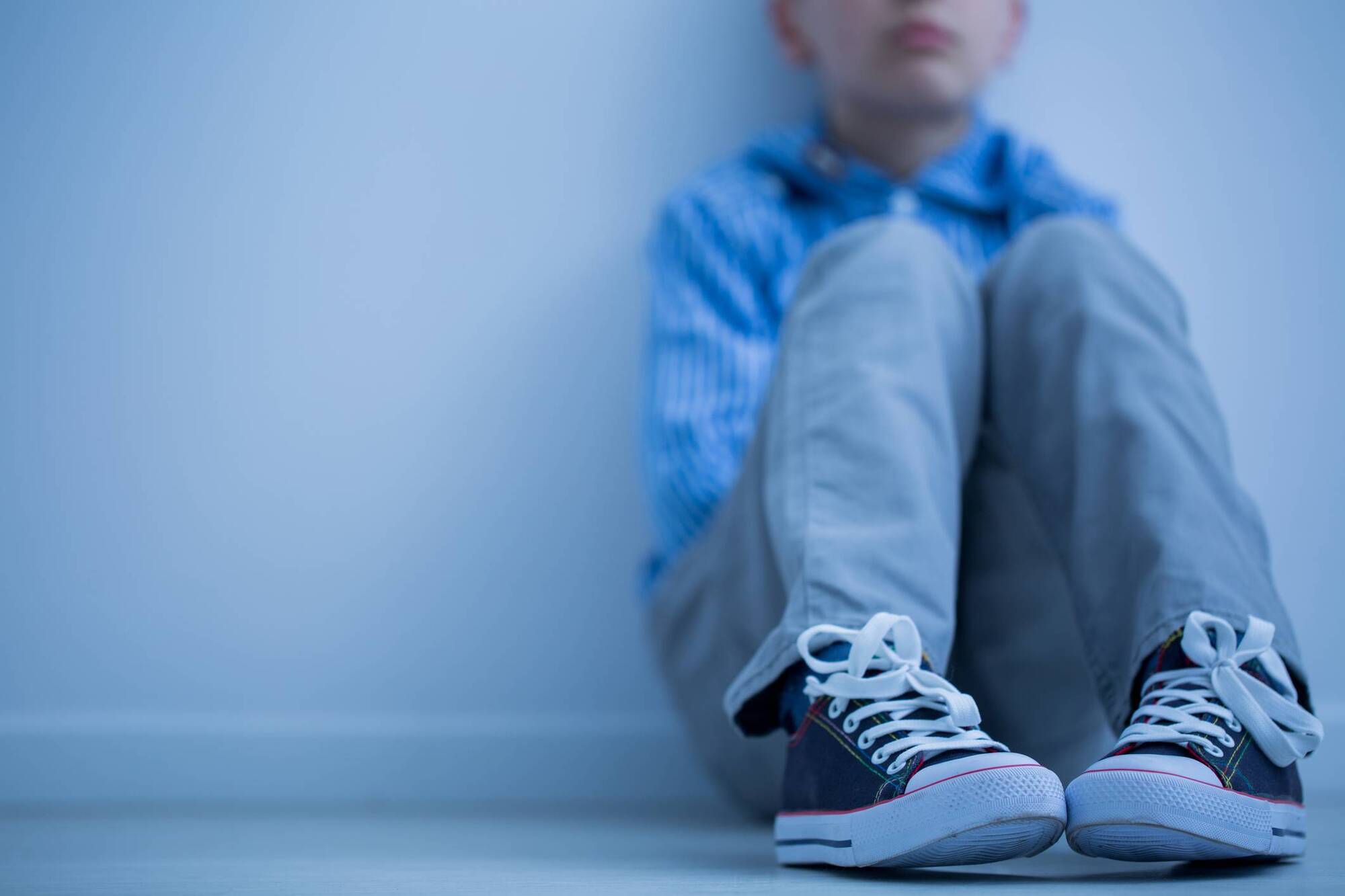
As parents, we need to be mindful of how we respond and react to the arrival of headlice as our children soak up our emotional and behavioural responses
'It’s crucial to take a no-blame, no-shame approach.'

'It’s crucial to take a no-blame, no-shame approach.'

My seven-year-old son picked up headlice at the start of the school term, which we treated quickly at home. He told his classmates at the time, and I wish he hadn’t because a few have constantly been teasing him in the yard about being dirty. It’s very upsetting for him. I’ve spoken to his teacher, who says it will probably blow over. What can I do in the meantime?

Headlice are very common in young children, and because they spread by close proximity, the physical way children play together can result in it being passed around the class and back again. So, if having headlice is so common, why is it still so stigmatised?


I suspect it is how uncomfortable they make us feel. But as parents, we need to be mindful of how we respond and react to the arrival of headlice as our children soak up our emotional and behavioural responses and make them their own.

Be calm and matter-of-fact. Tell your child that headlice visits most children at some point during school years and that they like clean hair as much as unwashed hair, and having them does not mean a person is dirty. Emphasise that headlice are not dangerous and won’t hurt them and that there is a way to get rid of them (a fine comb, appropriate treatment solutions and shampoos, and a daily spray of tea tree to help to avoid their return). Add that the lice love to jump from one person’s hair to another, so we cannot share hats, hairbrushes, or accessories with our friends.

Use what is happening in the yard as an opportunity to teach empathy. Ask: ‘How does it make you feel when kids say things like that? I wonder what would be a kinder thing to say or do when someone has had headlice?’ In this way, you are modelling pro-social responses for your child.

It’s crucial to take a no-blame, no-shame approach. You tell your child clearly that it is not their fault that they picked up headlice because it is easily spread in the way a cold can be — one person gets it and passes it to another person, who passes it to another person. And just like a cold, headlice can be treated and will go away.

Reassure your son that it is no one’s fault and there is nothing shameful in catching or even spreading it and add, ‘but we will all follow good hair hygiene rules to make it a bit harder for it to spread around’.

It can be helpful to share your childhood (or adulthood) stories of when you had headlice, how it felt, who cleared your hair and so on. Such accounts can highlight that the insects have existed for generations, indeed thousands of years, and are no big deal.

Because headlice treatment can be unpleasant (the smell of the product and pulling a fine comb through their hair), be sure to increase your child’s access to nurturing and sensory play in the aftermath. One activity would be making a treat such as popcorn, taking the duvet from the bed and snuggling up on the sofa, watching a favourite movie, and sharing the snack.

x

More in this section

Cookie Policy Privacy Policy Brand Safety FAQ Help Contact Us Terms and Conditions

© Examiner Echo Group Limited