If my child is inspired by the Toy Show performers, should I enrol them in a local stage school?
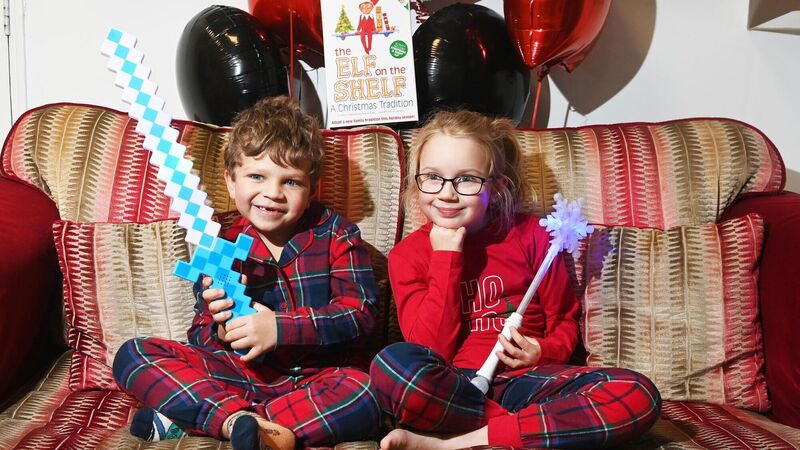
Ignat Kusknir and Isabel Cotter from CADA Performing Arts in Cork are all set for the Toy Show. Picture; Eddie O'Hare
night is almost upon us – the biggest, late-est night of the year for children nationwide, up way past their bedtime, dreaming, wishing….and not just for the fabulous, piled-higher-than-you-could-believe array of toys.
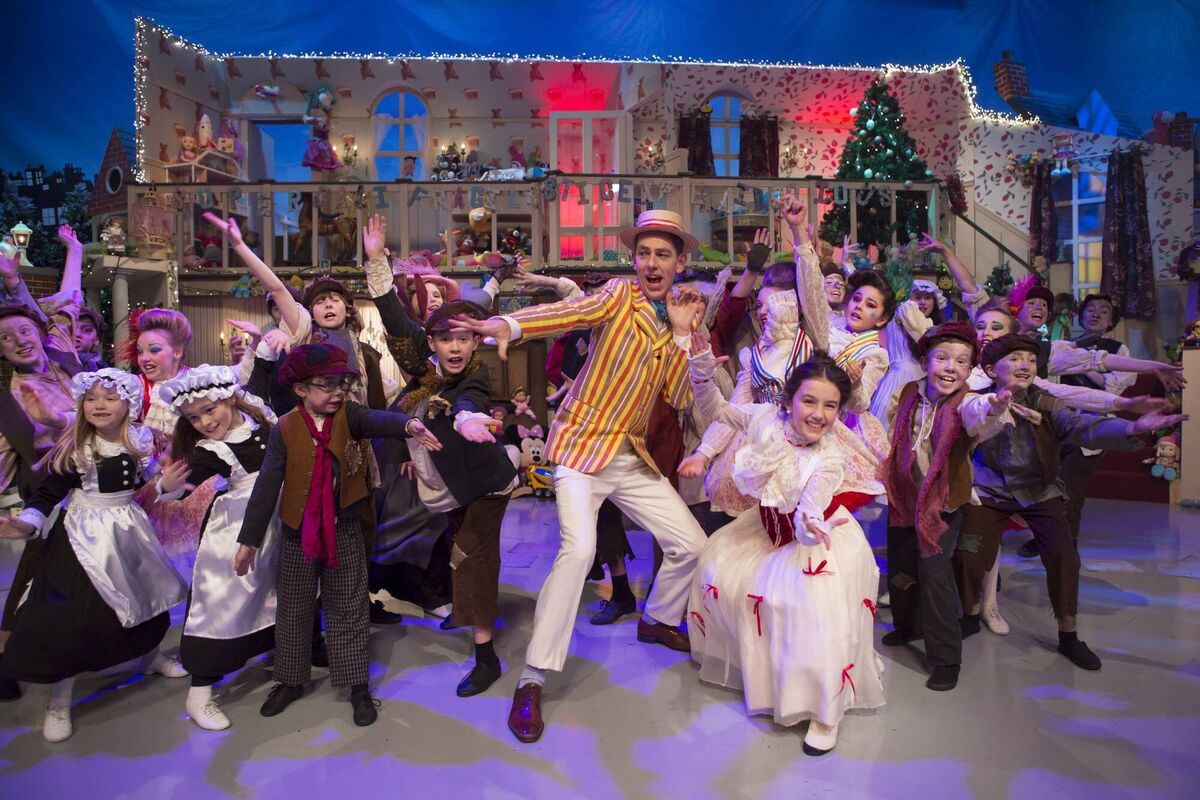
They will be struck by the onscreen performances of children just like them – dancing, singing, talking confidently – some will wonder and dream and be inspired: could this be them too?
Sitting beside them, their parents will wonder the same.
And sometime in the new year, many of these parents – wanting their child’s inner performer to shine – will make an enquiry at their local stage school.
But before making that phone call, Grace Halton, senior tutor at Dublin-based Betty Ann Norton Theatre School, advises talking to the child to find out which part of the performing arts interests them.
“Maybe your child loves copying dances from TikTok or making short films with their iPad, but they may surprise you and express an interest in something they’ve previously kept quiet.”
Halton says most parents starting children in classes as four-year-olds want to develop their communication and social skills.
“We place emphasis on building creativity, building confidence and developing clarity of speech.”
At CADA Performing Arts in Cork, founder and CEO Catherine Mahon-Buckley says some children skip into class as three-year-olds, while others do at five.
“A child might be very secure in their own home – parents tell you they’re always acting, singing, dancing. Take them out of that and some can disintegrate.
“Children don’t have the word power to say 'I’m not able for this'. So parents shouldn’t push – let it develop.
"If a child has a passion for something, by the time they’re 10 you won’t have to do anything with them. They’ll want to do it naturally.”
Can anybody be trained to perform on stage? Yes, everybody can, to a certain level, says Ryan. And even when children come along who have “that extra something”, their craft needs to be honed and developed, he says.
How do you recognise that extra bit of sparkle, the bit of flair?
“It’s someone who takes to it very easily. Throw a dance routine at them and they pick it up quickly. They’ve a bit more finesse. You see that sparkle in their eyes. Or you give them a script and they get inside a character, they have a feel for it instantaneously.”
Mahon-Buckley agrees that everyone can be trained technically.
“But what I call the inner creative soul, someone is born with that. They have what it takes to be a major star. But if they don’t work at it, it’s not going to happen for them.”
She recalls the converse of this: a pupil who as a 10-year-old teachers deemed ‘average’ at dance.
“She enjoyed dance and worked and worked at it. Then at 18, in a concert, she blew us and the audience away.”
At Betty Ann Norton Theatre School, where four children aged between seven and 10 years have been cast in upcoming , Halton sums it up: “It’s definite that hard work beats talent when talent doesn’t work.”
Children, she says, make it very clear if they want to want to perform publicly.
“They tell you. Our job is to encourage them to go outside their comfort zone. A good tutor knows the right timing to do that.
“A child could have a fantastic performance skillset. They might be a wonderful singer or dancer. But if they’re not ready emotionally to take on a big project, you’re better off waiting until that development happens.”
When it comes to auditions, Ryan says the Montfort College approach is to encourage pupils to treat them as a free class/workshop where they’re going to learn something.
“We say it may not happen for you this year but keep learning, keep going to classes, and it will happen for you eventually.”
Mahon-Buckley always congratulates a child on their enthusiasm in wanting to be part of an audition and says parents should do likewise. It’s also important to ensure children know what an audition is – and that not being successful may have nothing to do with how good they are.
“It might be their look isn’t right for the piece – maybe they’re too tall for what’s being worked on. That’s not to say they’re not good. They’re very good but that particular audition wasn’t right for them.”
She says parents can be supportive by ensuring the child is very well prepared for the audition.
“After the audition, celebrate their achievement. Say encouraging words, like ‘oh, I’m so proud, I couldn’t have done that’.”
When disappointment happens, she urges parents to allow the emotional repsonse, show they care, that they’re hearing the child’s upset.
“But you must then allow the child to defuse and move on – because we need to work on resilience too.”
Ryan says the performing arts is a hugely popular activity, particularly with such a plethora of reality TV making so many children want to be performers.
“Yet it doesn’t suit everybody – a child could be more sporty, or more academic, maybe want to work with Lego,” he says.
It can sometimes be a matter of timing, says Mahon-Buckley.
“Maybe they love it – but they’re more drawn to sports and they can’t give the time they want to performing. Or, as happens particularly with teens, homework gobbles their time.
“And some don’t like performing. If they’re quietly confident that’s OK. Children should feel free to explore again when they’re ready.”
If a child expresses a dislike for an activity, Halton urges digging down into why.
“Maybe they find it too challenging or too easy. Or perhaps they enjoy one element over another.”
The performing arts are vast, she says, and there are “many different ways to engage – it’s about finding the right fit”.
In her mid-20s, Halton has fond memories of watching the Toy Show, “lying on the floor with the Argos catalogue and circling the toys as I saw them come up”.
She still watches the show. “I get snuggled up with a blanket for what’s a very long night.”
In the week leading up to the Toy Show, she says there’s always a great buzz around the theatre school.
“Children are talking about their plans – where they’re going to watch it, if Granny is coming over, will they have chocolate. The children of today get just as excited as we did.”
Read More
CONNECT WITH US TODAY



Be the first to know the latest news and updates