Colman Noctor: Early support for a child's mental health can lead to lifelong benefits 
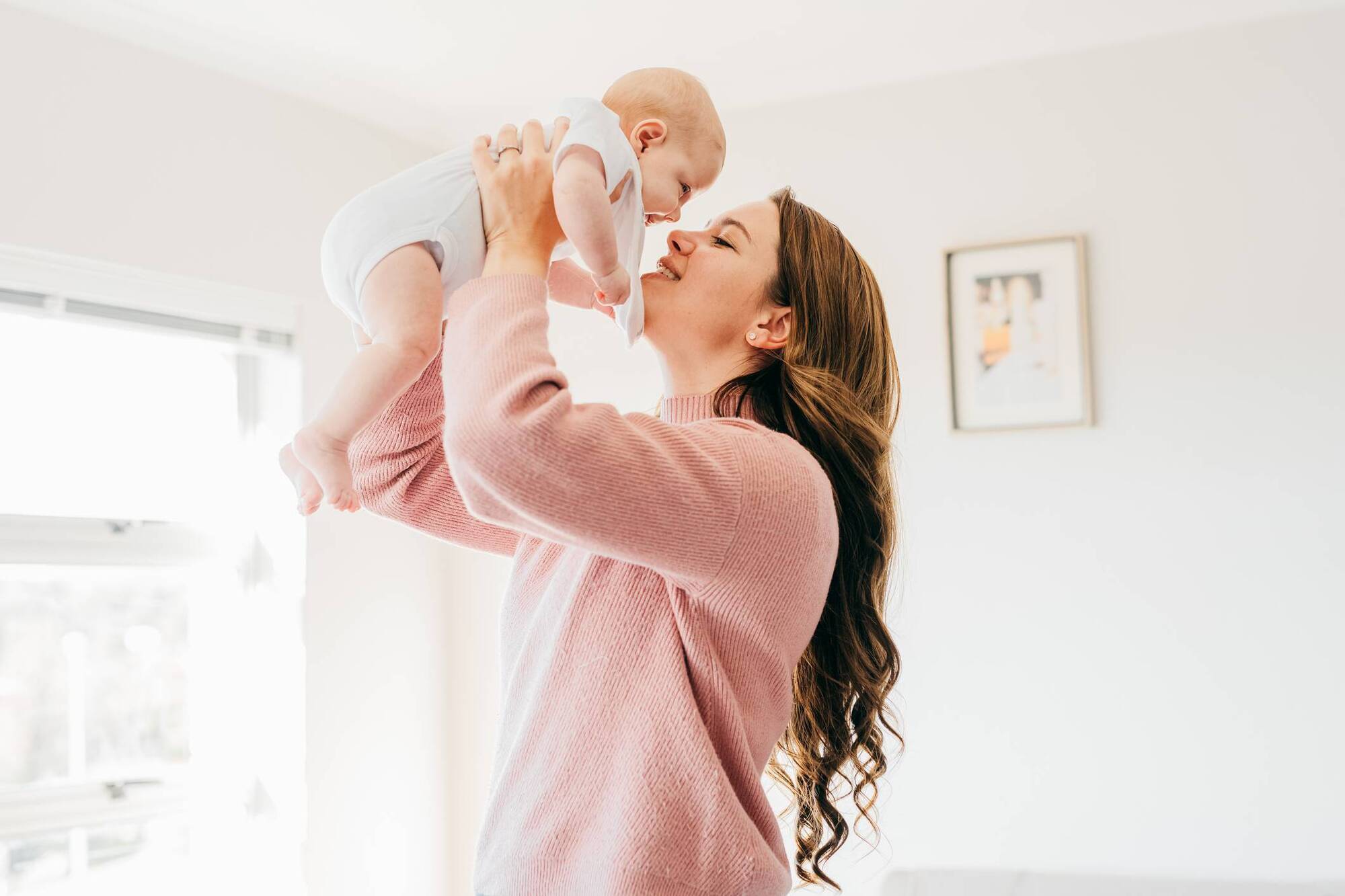
The first 1,000 days of life — the period of development from conception to age two — represent a crucial period of rapid physical, psychological and neurological growth
Colman Noctor: Early support for a child's mental health can lead to lifelong benefits 

A recent Irish study by Dr Evelyn Gordon and colleagues in DCU evaluated the impact of an infant mental health programme undertaken by a group of new parents in Ballymun.

Early intervention is critical in preventing serious negative lifelong mental health consequences for children later in life. Research has shown that the earlier an intervention can occur, the greater the outcome for the child and their family.

A recent Irish study by Dr Evelyn Gordon and colleagues in DCU evaluated the impact of an infant mental health programme undertaken by a group of new parents in Ballymun. They found that these interventions proved valuable to the infant’s development and the parent’s emotional wellbeing.

Parents’ capacity to relate to their children can be compromised by a range of social and environmental factors, such as poverty, marginalisation and intergenerational trauma. These stressors inevitably lead to stress and related problems, such as substance misuse or mental health problems which can reduce the parent’s capacity to engage fully and care for the infant.

I have long been acutely aware of the importance of the formative years of infancy. During my psychoanalytic training, I engaged in an ‘infant observation’ process, which involved visiting a mother and her newborn baby once a week for the first two years of the child’s life. These weekly visits involved observing the interaction and crucial developmental steps between the parent and the infant. During this process, I developed an awareness of the importance of infant-parent communication through eye contact, holding, soothing and bonding. Watching the growing relationship between mother and child, I could see the influence those early years have on our ongoing psychological and emotional development, creating a lens through which we see the world.

Critical first 1,000 days

There is international consensus that the first 1,000 days of life — the period of development from conception to age two — represent a crucial period of rapid physical, psychological and neurological growth. During this time, there is an increased likelihood that detrimental experiences such as early trauma or deprivation will be especially harmful and greatly impact future development, with adverse effects potentially leading to lifelong consequences.

Professional interventions with parents and infants aim to create bonds which can set the child on a life trajectory that protects them from potential adverse childhood experiences. It is difficult to prove if such interventions are effective in the long term. But what we can say with some certainty is that when parents and infants establish dysfunctional bonds, which disrupt the attachment patterns, it can have a lifelong impact on the child.

Infant mental health programmes are usually short-term and delivered in groups or individually. They are facilitated by a variety of healthcare workers or voluntary agencies. By improving parents’ skills, knowledge and self-belief in their parenting capabilities, these programmes help parents better understand their child’s needs. Early childhood parenting interventions are based on either behavioural or relational approaches which can vary from programme to programme or occur in parallel to each other. Behavioural approaches teach parents ‘positive discipline practices’ and encourage parents to respond to their child’s positive behaviour instead of just their negative behaviour. In contrast, relational approaches aim to improve the relationship between parents and their children by increasing the parent’s understanding and knowledge of their child’s developmental stage and consequent behaviour. Research has found that these programmes produce positive parental outcomes which lead to positive outcomes for the child.

Risk factors for infant mental health problems include parenting interactions that are insensitive, lack warmth, control, over-involved or overprotective. Other factors include overly harsh discipline, parental mental health difficulties or stress, parental substance abuse, family violence, limited parental education, and parental conflict or separation/divorce.

The infant mental health programme was set up in Ballymun as it is a recognised area of social and economic deprivation with a disproportionately high level of lone-parent families and others at risk of poverty. Most households in the area are part of local authority housing schemes and have high rates of unemployment.

The programme aimed to enhance the relational capacity of families and the local community through interventions such as newborn behaviour observation, baby massage workshops for parents and therapeutic home visits. These ‘relationship programmes’ were designed to support parents in their role through reflection, modelling and teaching new skills to provide opportunities to put children on a positive developmental trajectory, enabling them to take advantage of other opportunities in the future and promoting resilience.

Researchers found that parent-child relationships improved and there was an increase in parent and child emotional and psychological well-being as a result of taking part in the programme. Participants also reported greater attuning to their child’s needs and improved parenting skills.

Investing in early intervention

Infant mental health expert and research scientist from the University of Dundee, Dr Suzanne Zeedyk, attended a conference last week to address the findings of the Ballymun study. She spoke about why it is sometimes difficult for policymakers to prioritise the needs of babies and their carers despite the obvious benefits that can result from it.

The parents who took part in the Young Ballymun Initiative said they experienced an increase in their self-awareness and the insight into themselves and their lives was an unexpected bonus. As one mother noted: “I went there to help my son… I ended up dealing with issues of the past, the way I was raised as a child”. Other parents described how the YB infant mental health programmes helped them to understand their triggers and the effect that those triggers have, which in turn they felt made them better parents: “Even though it was helping me with my children, it was also helping me out with my own mind and what I had going on.”

This idea of generational change is key to infant mental health programmes, which aim to provide parents with an opportunity to break the cycle of unhelpful parenting they have brought from their own childhood experiences.

The results of the Ballymun initiative tell us that working on the co-parenting relationship, developing secure attachment, and enhancing parental reflective functioning are beneficial to infant mental health. If an infant’s caregiving environment, which includes their family and community, allows them to regulate and express emotion, develop secure relationships and safely explore their environment, they will thrive. Surely it makes sense for us to invest in such programmes to protect children from developing unhelpful patterns of relating which can follow them throughout their adult life.

  • Dr Colman Noctor is a child psychotherapist

x

More in this section

Cookie Policy Privacy Policy Brand Safety FAQ Help Contact Us Terms and Conditions

© Examiner Echo Group Limited