Aoife Hearne: How can I wean my baby onto solid foods? 
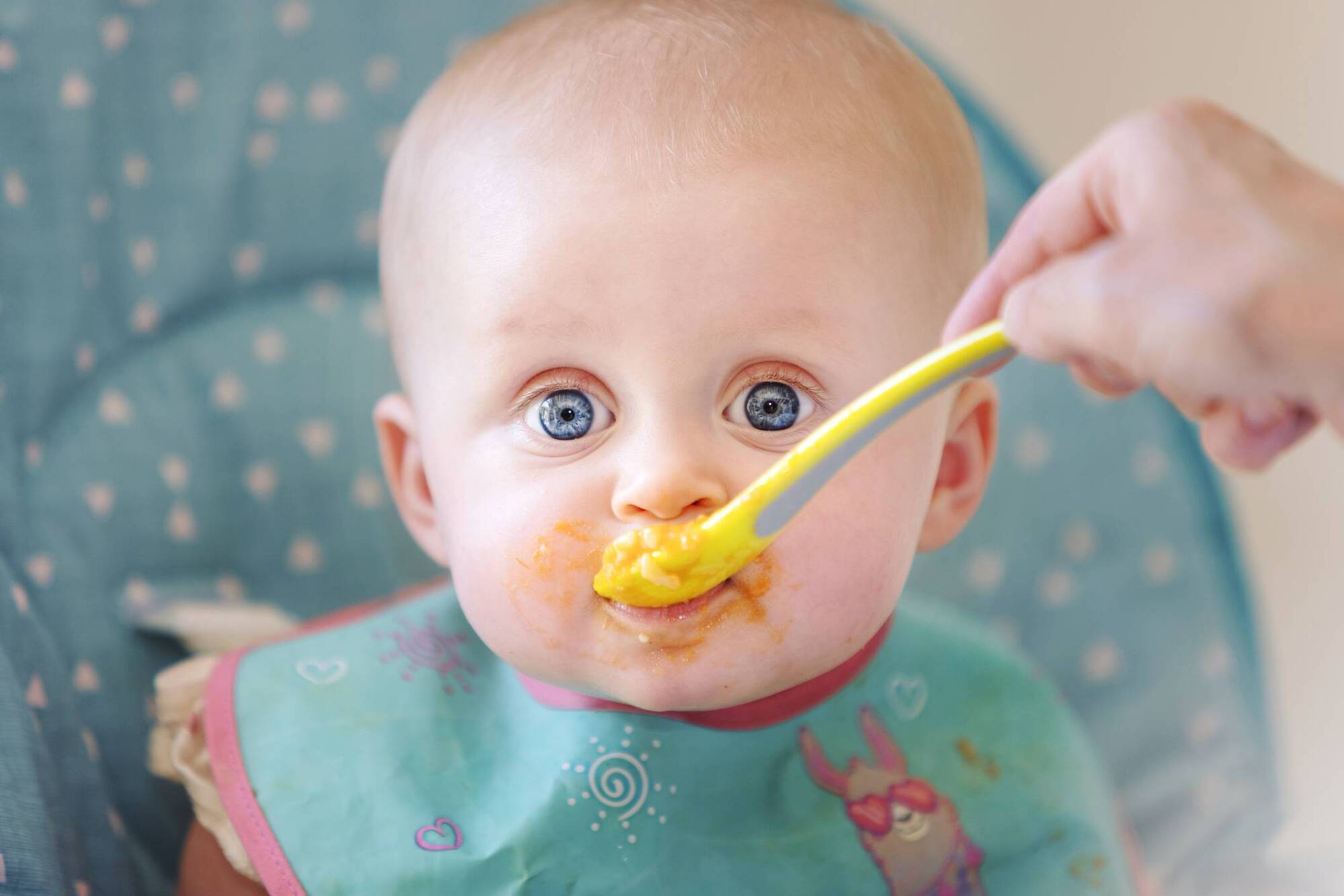
Introducing solids for all infants is a gradual process with the goal that by 12 months, the baby is eating family foods
Two popular methods for introducing solids are traditional spoon-feeding and baby-led feeding.

Two popular methods for introducing solids are traditional spoon-feeding and baby-led feeding.

I’m breastfeeding my five-month-old son and plan to ween him onto solid foods soon. He has colic, so I want to make the transition slowly. What would you suggest?

Welcome to the next challenge of parenting. Just when you have things figured out with feeding your baby, everything changes.

Colic is very distressing for a baby and parents. There are many myths and promises claiming to resolve colic in infants. But you could try every trick in the book and find that nothing works. In most cases, the only solution is time.

The current advice when introducing solids is to wait until the middle of the first year of life. Introducing solids for all infants is a gradual process with the goal that by 12 months, the baby is eating family foods.

The exact time to start introducing solids depends on the readiness of you and your baby. Signs that your baby is ready for solid food include:

  • Ability to sit up with support
  • Ability to control head movements
  • Can swallow food instead of spitting it out
  • Co-ordination between hands, eyes and mouth
  • Desire for more frequent milk feedings

The transition to solid foods comes with several options and a dizzying amount of information. Current research suggests that responsive feeding practices, which focus on a child's hunger and fullness cues, are best. Therefore, it's best to avoid aeroplanes/trains/distractions to encourage children to eat more. Instead, allow them to stay connected to their own internal satiety cues. Remember that during this time, your baby will continue to get most of what they need from your breastmilk, so don’t worry about the volume of solid food at the beginning.

Most foods can be introduced, including foods with gluten, eggs and ground nuts or nut butters. Recommendations are that all food allergens are introduced to your baby before they are 12 months to help to reduce the risk of food allergies. If there is a history of food allergies in your family, you should consult with your GP or registered dietitian first.

Two popular methods for introducing solids are traditional spoon-feeding and baby-led feeding. Spoon feeding involves starting with puréed, lump-free foods that are runny in consistency. The volume will begin with one to two teaspoons per meal. This volume will gradually increase along with the consistency becoming thicker, with lumps and eventually solid food. Baby-led feeding skips the purées and minced foods, allowing the baby to hold finger foods and exclusively self-feed from the start.

When introducing solids, you can stick to one method or use a combination of the two. Offering smooth purées with steamed finger food can be a great way to introduce different textures. The most important thing is finding an approach that feels right for you and your baby. Whatever method you decide to follow, there is one guarantee, it will be messy, which is good for baby but stressful for parents.

More in this section

Cookie Policy Privacy Policy Brand Safety FAQ Help Contact Us Terms and Conditions

© Examiner Echo Group Limited