Aoife Hearne: I'm worried my child will turn into a fussy eater
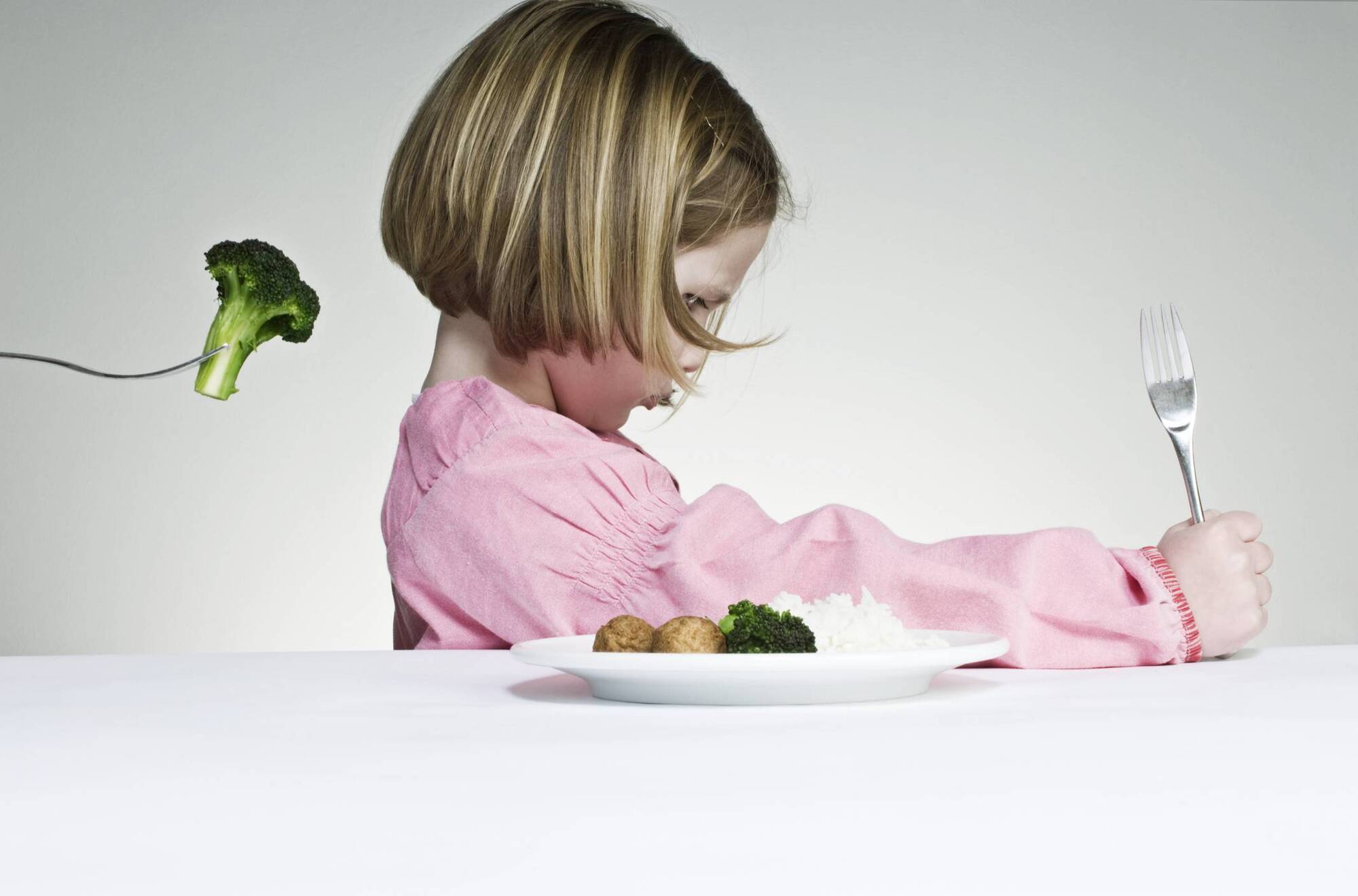
Picture: iStock

You are bang in the middle of what is known as the neophobic stage. Neophobia is a developmental stage from 15 months to five years that describes a normal developmental stage concerned with the fear of eating new foods. This hard-wired stage historically saved many of our ancestors by preventing them from eating poisonous foods. In the modern era, we mostly see this food refusal with vegetables, causing much stress to parents who are desperate for their children to like and choose healthy foods long past five years of age.
When faced with this phase, parents and caregivers commonly start to use strategies such as pressure to eat, rewarding with food or using food as a bargaining tool to entice children to eat. While this plan of action is introduced with the best intention, these (non-responsive) strategies can increase fussiness in children.
Current research suggests that responsive feeding practices, which focus on a child's hunger and fullness cues, are particularly effective for helping children to enjoy a variety of food types.
Instead of pressure to eat certain foods or avoiding offering them at all, you could consider:
- Role modelling by parents/caregivers eating a variety of foods
- Using a learning plate (outside of mealtimes) for children to explore food textures and tastes
- Positive food messaging with whole foods, especially vegetables
- Make meal times fun by playing games with vegetables, for example, 'who can crunch the carrot loudest?' or guessing what vegetable is in an omelette.
These strategies encourage children to explore new vegetables without requiring them to finish all the food on their plates.
From my experience, the one aspect I have underappreciated over the years at home is how small children’s tummies are. Even a small snack (glass of milk, piece of fruit, plain biscuit etc) close to mealtime can reduce a child’s desire to try something new or something they are reluctant to eat. Ensure that meals and snacks are structured throughout the day to support children in exploring new foods.
The bottom line is continuing to offer all foods - vegetables in particular- without pressure to eat them is the best approach throughout this development stage.
Remember, don’t give up!


CONNECT WITH US TODAY



Be the first to know the latest news and updates