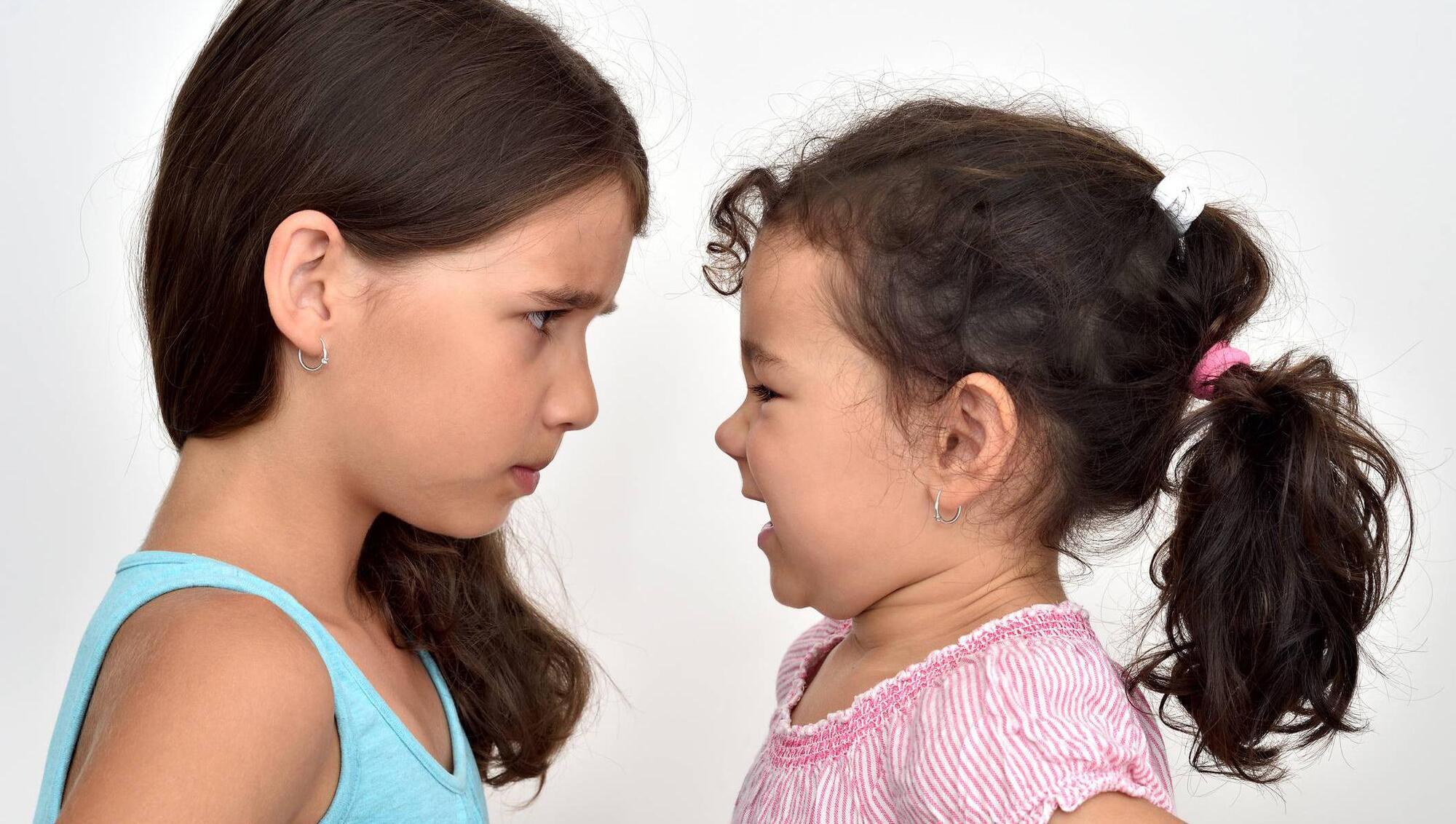
Joanna Fortune: My young daughters have started to fight with each other
Picture: iStock

Siblings are often our first experiences of friends and enemies, and we begin to learn how to manage the dynamics of peer relationships at home. Sibling rivalry is a type of competitive animosity between children and, by its nature, means they will oscillate wildly between loving and seemingly hating each other from time to time (sometimes hour to hour).
As each child grows and develops, their needs change, significantly impacting how they feel about each other at different ages and stages. However, just because it is typical doesn't mean it isn't distressing to hear your children fight with each other. Regular conflict is stressful for everyone, and this stress, more than the actual fighting, will cause you to snap.
While sibling rivalry is unpleasant, it can bring social and emotional benefits. Navigating conflicts like these equip children with important life skills as they grow. For example, arguing their point of view while considering the situation from their sibling's perspective, even if they disagree, is fundamental in developing a capacity to compromise and negotiate. This process helps them to learn how to manage their anger and aggressive impulses.

Different and incompatible developmental needs are often the reason siblings fight with each other. Ideally, you do not need to get involved. Yes, that is easier said than done, but you will want to avoid acting as a referee between your children as much as possible. Taking such a role often results in more tension as they end up frustrated with each other and with you. Also, to raise resilient children with strong critical thinking and problem-solving skills, they need to discover ways to resolve their differences with each other.
So get creative in the way you respond.
When you have two children fighting with each other, the ideal is to separate them until they calm down. However, when you take away things they value, things that are "their own" it can fuel the tension as they blame the other for their loss, resulting in them becoming even more enraged with each other. Perhaps try to separate them with a task: ask each child to draw a picture or make a card for the other, showing or listing three things they like about the other person. Once done, they exchange cards or pictures. The objective here is to switch their focus from what they do not like about each other to what they do like, improving their mood and lowering the tension between them. Whether your child gets this done in 10 minutes or two hours is up to them, but the task must be done before they can get back to playing. The exercise also switches the focus from the rupture in their relationship to its repair.
- If you have a question for child psychotherapist Joanna Fortune, please send it to parenting@examiner.ie

CONNECT WITH US TODAY



Be the first to know the latest news and updates