Residual risk: Concern over industry-friendly pesticides package
The current debate is centred on whether pesticides should continue to be regularly reassessed, or whether some could receive indefinite approval.
Ireland’s role as current president of the EU Council gives us an opportunity to influence a tightening of regulations on the controversial use of pesticides at European level.
People often muse about what’s in the food they eat and the water they drink, with research showing high levels of pesticide contamination in some cereals and fruit, for instance.
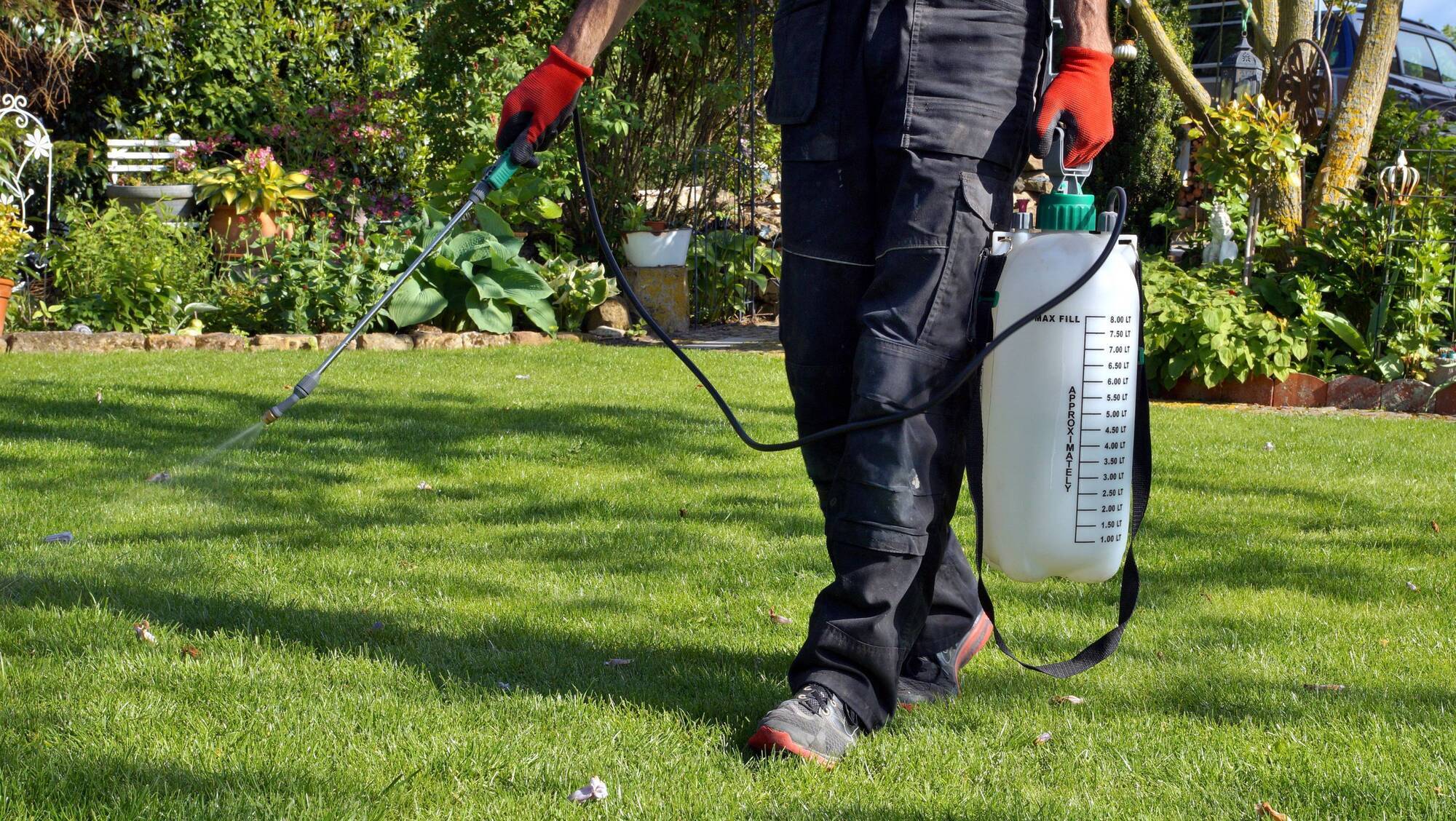
Pesticides are widely used in farming, forestry, parks and private gardens to protect crops and other plants from weeds, disease and various insects, with residues sometimes ending up in food and water.
An EU-wide testing of cereals, last year, showed that some unnamed, wheat-based breakfast cereals and breads sold here were among the most contaminated products. A more recent study of strawberries in 11 countries showed a cocktail of seven residues above recommended levels in a sample from Ireland.
Now, there are concerns about EU Commission proposals that would make it easier for pesticide products to reach the market, as part of an industry-friendly package known as the Food and Feed Safety Omnibus.
In the European Parliament, proposals have also been made to give pesticides longer, or potentially unlimited, approvals with implications for health, children, drinking water, farming and biodiversity.
The issue will be considered at a conference in Europe House, Dublin, on October 6, putting Ireland at the centre of a major debate and to be attended by representatives of the European Commission, our Department of Agriculture, leading scientists and other experts.

Bernadette Connolly, of The Environmental Forum, who will lead the opening discussion, says: “Ireland should take the lead in protecting our environment and our children’s health.
Residues end up in water, soils, nectar and elsewhere. This may not be at levels that are acutely toxic to biodiversity, but they can have sub-lethal impacts on things such as behaviour and reproduction, according to Dr Dara Stanley, of UCD.
Uisce Éireann says our water treatment process is not designed to remove pesticides from source water, so contamination must be dealt with at source.
The current debate is centred on whether pesticides should continue to be regularly reassessed, or whether some could receive indefinite approval.
At present, pesticides are approved for 10 or 15 years following an assessment of health and environmental concerns. They are then reassessed, taking into account field experience and independent scientific findings.
This reassessment process has contributed to the banning of problematic substances, including a brain-damaging pesticide.
Critics of indefinite approval warn that, without regular reassessment, independent scientific findings could go largely unnoticed.
CONNECT WITH US TODAY



Be the first to know the latest news and updates