Paws for thought: Cats might just be the purr-fect predator
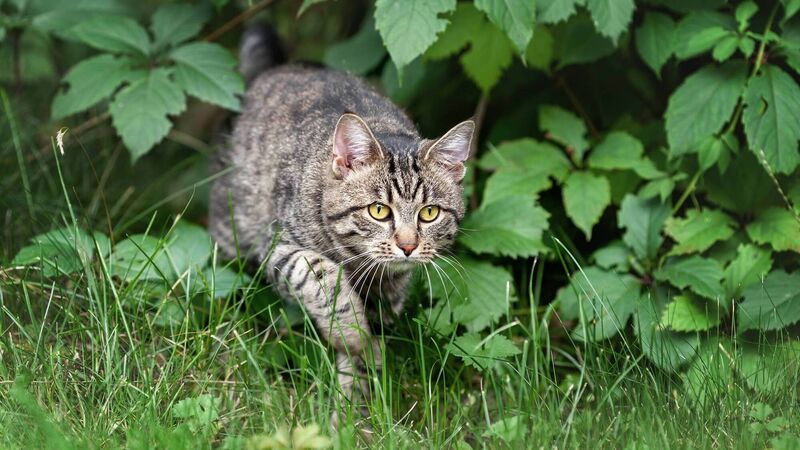
Cats are among the most widespread and efficient predators on Earth, and unlike most hunters, they have been given a global passport by humans.
There are few creatures more universally adored than the domestic cat. They star in memes, supervise our workdays, and manage to always look both elegant and faintly judgemental. With soft paws and a purr that could soothe even the most frazzled nerves, cats have firmly embedded themselves in our homes and our hearts.
First domesticated over 9,000 years ago, house cats (Felis catus) have travelled the world alongside humans. Now present on every continent except Antarctica and on hundreds of islands, they rank among the most widely distributed species on the planet. But beneath that cosy exterior lies an ecological reality that is far less comforting. Cats are among the most widespread and efficient predators on Earth, and unlike most hunters, they have been given a global passport by humans. From urban gardens in Ireland to remote islands in the Pacific, cats now occupy ecosystems that never evolved with such stealthy, adaptable hunters.


CONNECT WITH US TODAY



Be the first to know the latest news and updates




Revoiced
Newsletter

Sign up to the best reads of the week from irishexaminer.com selected just for you.
Scene & Heard
Newsletter
Music, film art, culture, books and more from Munster and beyond.......curated weekly by the Irish Examiner Arts Editor.