Hedgehogs are waking up from their long winter slumber
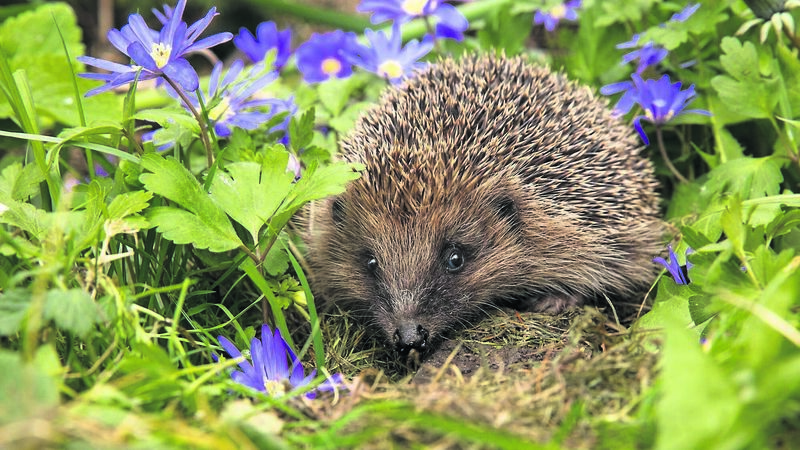
During the day, hedgehogs doze in the safety of their nests. As dusk descends, they shuffle out, nosing through undergrowth and leaf litter, earnestly sniffing for food. Picture: iStock
Hedgehogs are one of the only mammals here who hibernate in winter. Now, in March, hedgehogs are wakening from their long winter slumber and will soon begin venturing out from their cosy moss-lined nests. Initially, in order to save on energy, they stay near the hedge or scrubby ground where they’ve been hiding out all winter. Each hedgehog emerging in spring will be up to 40% lighter than when they went in to hibernation in October, all the energy they stored away as body fat having been used up.
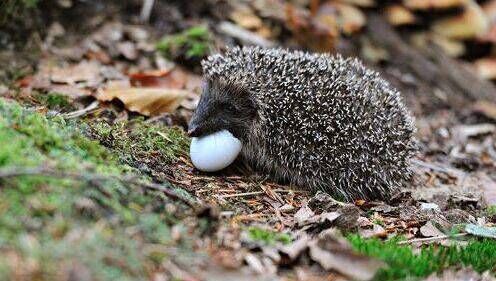
During the day, they doze in the safety of their nest. As dusk descends, they shuffle out on their short little legs, nosing through undergrowth and leaf litter, earnestly sniffing for food. With their long, pointed snout and excellent sense of smell, it’s not hard to find the slugs, worms, woodlice, beetles, and caterpillars that make for perfect protein rich food. Birds’ eggs are something that hedgehogs have a taste for too, when they can get them. It is thought that their enthusiasm for slugs in particular was probably the reason why hedgehogs were introduced to Ireland in the first place.
Hedgehogs are native in England and Wales, but the first known record of hedgehogs in Ireland is from the 13th Century in Waterford. At that time, large monasteries had highly productive gardens providing vegetables for their own community of monks as well as for the wider catchment area. Hedgehogs would have been useful for keeping the slug population in control, so more than likely, these monks in their wisdom brough a few hedgehogs over to keep in the garden. Over the following decades, hedgehogs found conditions here suited them well, spreading from the southeast, becoming easily established and naturalised throughout the country.
This spread must have been gradual, as hedgehogs are not especially adventurous animals. They only venture a kilometre or two from their home base each evening, though males in search of mating opportunities will venture far further. Once mating season begins in April, hedgehog males wander far in order to mate with as many females as possible. From their seasonal cycles to their nutritional needs, hedgehogs are now well-established member of Irish ecosystems, a benign and perhaps even enriching addition, both eating and being eaten by many different native animals.
Hedgehogs are ‘generalists’, easy going in their preferences and happy to live in whatever habitats can meet their needs. True to their name, hedges, hedgebank and ditches seem to be their favourite habitat, along with scrubby areas where there is enough cover to keep them hidden form overhead predators. But several decades of hedgerow removal, mostly for agricultural intensification, has left a lot less hedgerow habitat across Ireland. Approximately 1,000km of hedgerows are lost from the landscape each and every year. Similarly, pockets of scrub all over the country continue to be bulldozed out of existence, as farmers are under pressure to intensify production and remain uncertain about whether they will be penalised or not for having too much scrub on the farm. The result is that most landowners will clear away scrub rather than risk losing out on area-based payments, even though rules have relaxed in recent years and it is now permissible to have a proportion of the farm under scrub.
The cumulative result of so much habitat removal means that hedgehogs, along with a plethora of other wild creatures from butterflies to farmland birds, are disappearing from the landscape. The conversion of species rich semi-natural pastures rich in wildlife to monocultures of ryegrass leaves little room for diversity. Increasing use of fertilisers and pesticides also reduces the diversity and abundance of insect life, both in soils and in the air above, and so these crucial food sources ricochet up the food chain. Now, vast swathes of the countryside have become inhospitable to hedgehogs. In suburban settings, where hedgehogs have adapted to live too, life has become harder for them too. Busy roads, more manicured gardens, and close-boarded fences and walls means that hedgehogs cannot move about as they need. Pesticides used both in intensive farming and in domestic gardens are poisonous to wildlife. Most will make their way in to wild food chains and contaminate many of the wild animals who are busy preparing to rear their young in the coming months. Slug pellets will not only kill the slugs they are intended for, but will concentrate up the food chain, poisoning hedgehogs, baby birds, and lots more besides.
Now as we delight in spring beginning to stir, give a thought to hedgehogs. In the UK, it is estimated that the population of hedgehogs has halved in only 20 years, with decline in rural areas estimated at 75% since the turn of the century. In Ireland, we don’t have the data to know just how severe the decline of hedgehogs has been, though it’s likely that there has also been a steep decline here.
Now, a new initiative launched in February aims to address some of these challenges. Hedgehog Conservation Ireland is a brand-new endeavour, set up to develop a hedgehog conservation strategy for Ireland. The website offers advice on how people can help these adorable creatures. Gardens can be managed in such a way as to accommodate hedgehogs, who need features such as swathes of old leaves shelter in and forage among, as well as piles of sticks and logs where they feel safe. What we might see as messy corners, where brambles or other tall vegetation takes hold, these provide cover for hedgehogs too. Garden hedges containing native shrubs such as hawthorn, blackthorn, hazel and holly act like a larder for hedges and other wild species too. Gaps in the fence are necessary to give them the freedom they need to roam and to forage widely. Remember that hedgehogs are a gardeners’ friend, gobbling copious quantities of slugs and snails.


CONNECT WITH US TODAY



Be the first to know the latest news and updates