Changes in nature aren’t always that predictable
The natural world is not bound by dates on the calendar. Such matters are dictated by changes in temperature and lengthening daylight
Changes in nature aren’t always that predictable

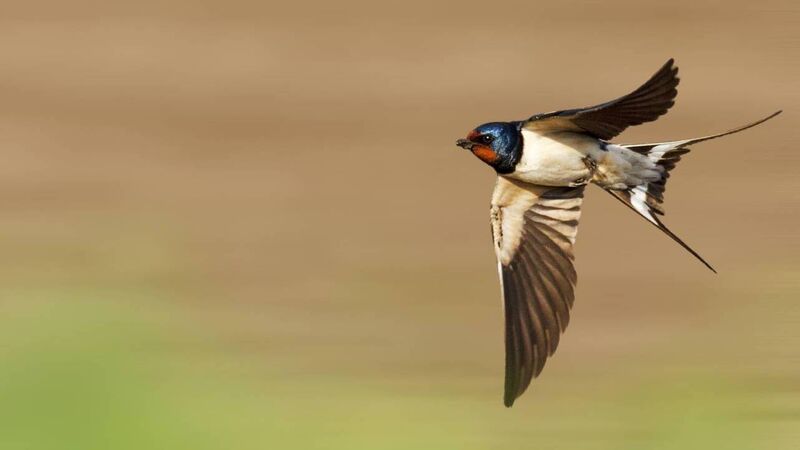
The barn swallow is surely on its way from South Africa by now. In 2020, information submitted to the Farmer’s Wildlife Calendar showed the swallow arrived on March 1, but, in 2021, it was not reported seen until March 31.

By now changes in nature and renewed wildlife activity should be seen and heard, loud and clear. Swallows are due next month, to be followed by the cuckoo.

We humans like to have everything neatly set up and to occur according to plan. Of course, nature doesn’t always oblige, especially with climate change having a huge bearing on the actions, and travel patterns of birds, and the blooming of flowers, for instance.

The natural world is not bound by dates on the calendar for it to bud, or breed. Such matters are dictated by changes in temperature and lengthening daylight.

In Ireland, timing of these happenings is important as it gives us clear signals of climate change: birdsong was heard right through the winter just passed, and numerous plants were growing.

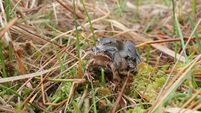
When seasons were more predictable, we saw frog spawn in February and March. Now, there have been reports of the black-spotted, jelly-like substance in ponds in January, or December, in the south of Ireland.

Spring survey

And that brings us to an annual spring survey directed at an occupation which probably has the best opportunities to closely watch the natural world. The Farmer’s Wildlife Calendar is organised by the National Biodiversity Data Centre, with the support of the Department of Agriculture. Farmers are asked to submit records of first sightings and locations under nine headings to show how nature is being impacted by climate change and recent weather.

The barn swallow is surely on its way from South Africa. In 2020, information submitted to the aforementioned calendar showed the swallow arrived on March 1, but, in 2021, it was not reported seen until March 31.

A little later, the cuckoo arrives, all the way from Congo Basin in Africa. The calendar’s earliest recording showed it was here on March 16, 2020. In the following three years, however, the cuckoo was here on various dates in the first two weeks of April.

The blackthorn tree is more predictable: records for the years 2020/’23 show it to have flowered between March 14 and March 20. By the way, non-farmers can also send records to the online calendar.

People may have seen a little, beautifully-coloured bird around their gardens, or feeders, in the past few weeks. The
siskin, easily noticed because of its forked tail, is here year-round and only emerges from woodland when food sources in that setting are scarce.

This small finch frequents gardens from late January onwards. With a streaky plumage and a mixture of dominating yellow and green feathers, you might see a siskin hanging upside-down on a feeder — an unusual feat in itself!

x

CLIMATE & SUSTAINABILITY HUB

More in this section

Revoiced

Newsletter

Sign up to the best reads of the week from irishexaminer.com selected just for you.

Cookie Policy Privacy Policy Brand Safety FAQ Help Contact Us Terms and Conditions

© Examiner Echo Group Limited