Air pollution problems — you can almost taste the smoke in the air on cold evenings
There are major challenges at EU level to achieve the ambitious goal of reducing premature deaths from air pollution by 55% by 2030
Air pollution problems — you can almost taste the smoke in the air on cold evenings

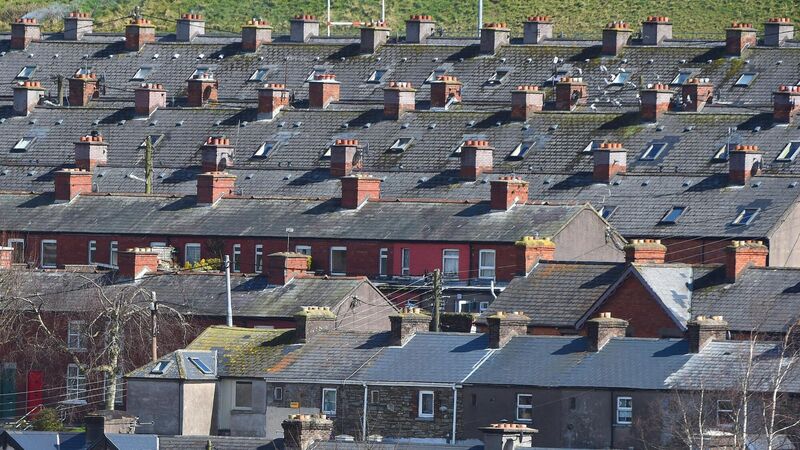
According to a 2024 Environment Protection Agency (EPA) report, there are 1,700 premature deaths in Ireland each year because of poor air quality. Roofs and chimney pots at Roches Buildings, Suttons Buildings and Rathmore Park, Cork. Picture: Larry Cummins

A walk around a residential area of any city, or town, these evenings, will tell you that we still love our coal and wood fires. Smoke billowing from chimneys hazes the distant sunset: there are times when you can almost taste smoke, especially in really cold weather.

In calm, frosty conditions, thick smog can form, sitting over rooftops in low-lying areas, amid ongoing efforts to improve air quality and encourage people to switch to healthier ways of heating our homes.

According to a 2024 Environment Protection Agency (EPA) report, there are 1,700 premature deaths in Ireland each year because of poor air quality.

Yet, the agency says our air is generally good and meets all legal requirements, though it does not comply with stricter World Health Organisation (WHO) guidelines.

Clearly, more action is needed to tackle air pollution — caused mainly by emissions from home heating and traffic — usually at its highest level at this time of year.

We’re urged to move away from solid fuels, to have better insulation in our homes, to use public transport more, to opt for electric vehicles, or better still, walk, or cycle, where possible.

Air pollution is caused by a type of often invisible dust (particulates) from coal, wood, or turf, fires and emissions (nitrogen dioxide) from petrol- and diesel-fuelled traffic.

We are, of course, inhaling these pollutants into our lungs which can lead to strokes and heart disease, with children and older people being particularly vulnerable.

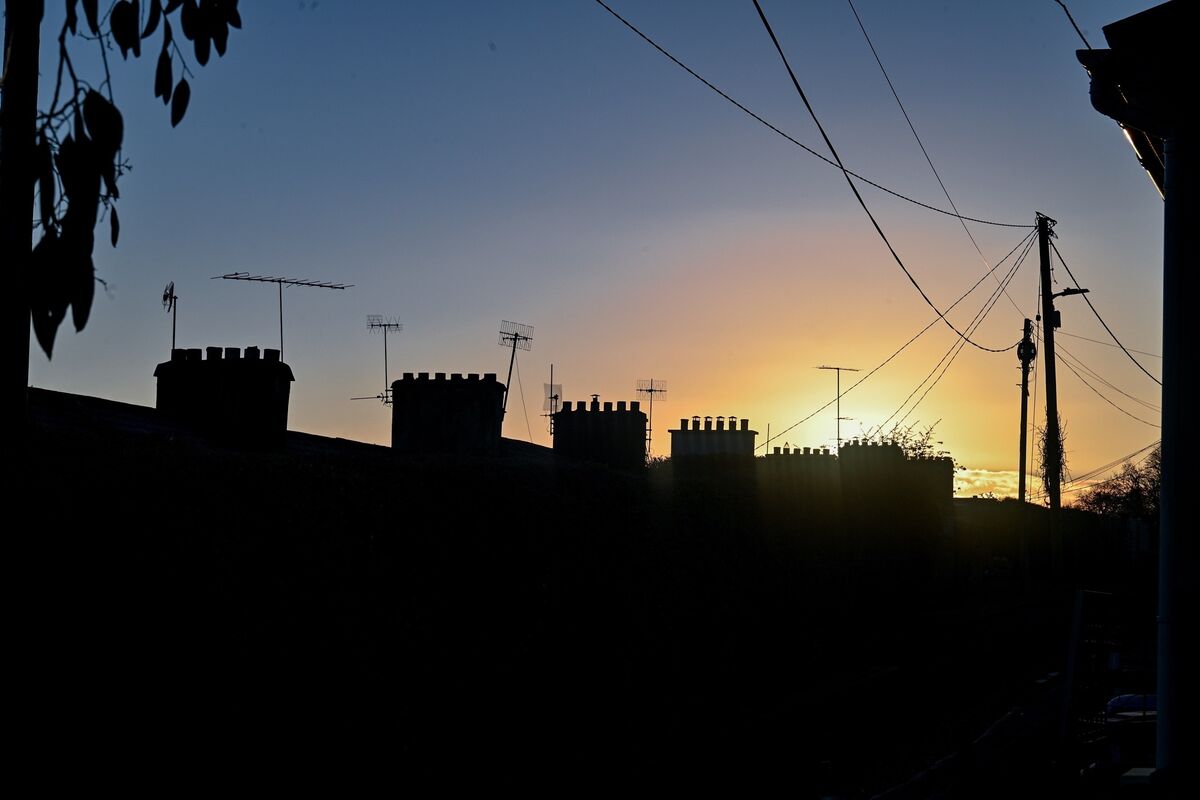
A winter sun rises behind a row of chimney pots in Passage West on Wednesday. Picture: Chani Anderson

There are major challenges at EU level to achieve the ambitious goal of reducing premature deaths from air pollution by 55% by 2030.

EPA director of environment monitoring, Pat Byrne, says: “Supporting people to shift towards cleaner heating and more sustainable travel isn’t about giving something up — it’s about gaining healthier air and healthier lives."

As they’ve led the way in environmental matters generally for many decades, it comes as no surprise to learn the Nordic countries are well ahead of the rest in the clean air stakes.

The most recent European Environment Agency (EEA) report has Oulu, Finland, at number one in the league table of clean air cities.

Nordic cities occupy the top 12 positions, with Stockholm, in Sweden, being the European capital with the cleanest air. Indeed, Finland and Sweden fill the top nine places. Cork, in 38th position, is the leading Irish city, followed by Galway (41st), Dublin (54th), Waterford (59th) and Limerick (70th).

The EPA says air quality in Ireland is ‘generally good’, and meets all EU legal requirements. But, it will be more challenging to reach new and more stringent standards from 2030 onwards.

More in this section

Revoiced

Newsletter

Sign up to the best reads of the week from irishexaminer.com selected just for you.

Cookie Policy Privacy Policy Brand Safety FAQ Help Contact Us Terms and Conditions

© Examiner Echo Group Limited